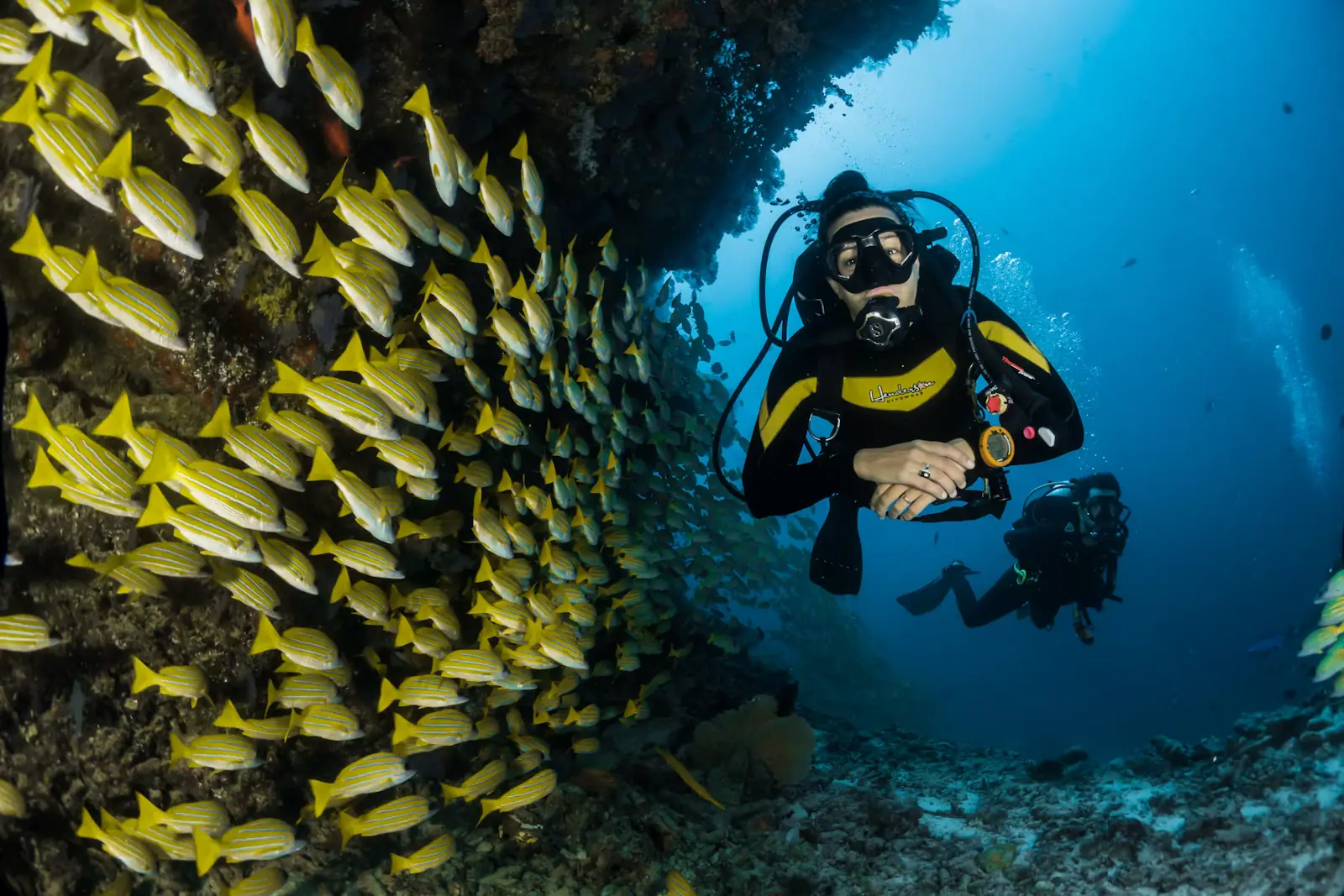
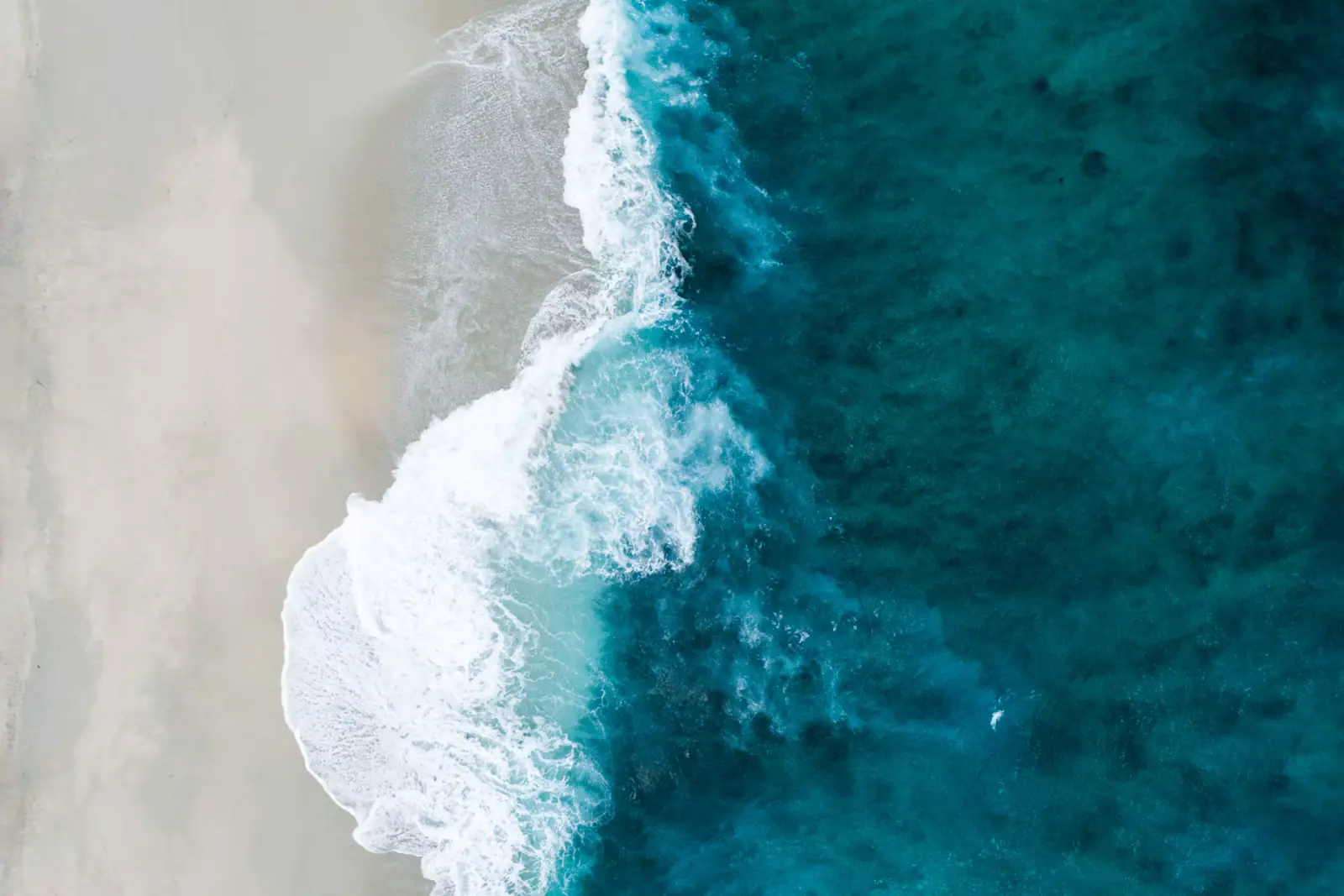
Cozumel's reef is the northern end of the Mesoamerican Barrier Reef, the second-largest reef system in the world, and the section in front of this island has been a Mexican national marine park since the 1990s. Arrecifes de Cozumel is a working protected area with rules that operators enforce, and visitors who arrive knowing them make everyone's morning easier.
The fee
A per-person daily fee is charged to anyone entering the park by boat to dive or snorkel. You get a dated wristband. There are no weekly passes — daily or annual only.
The amount is set in pesos by Mexico's protected-areas administration and has been raised more than once in recent years, so treat any figure you read online as out of date. Budget somewhere in the region of ten to fifteen US dollars a day and confirm the current number when you book.
It is a legal requirement rather than an operator's markup, and it is frequently collected in cash at the dock rather than folded into the package price. Ask explicitly whether your trip includes it. This is where cheap advertised prices usually hide.
The rules
Gloves are generally prohibited on dives here. The reasoning is straightforward: a diver wearing gloves holds on to things, and a diver without them does not.
Touching, holding or standing on coral is prohibited. Coral is an animal with a thin living surface, and a hand on it or a fin against it kills the tissue at that spot. On a drift island this mostly comes down to buoyancy: sort your weighting on the first dive, keep your fins behind you, and do not try to stop yourself against the reef.
Nothing comes out of the park. No shells, no coral fragments, no souvenirs off the bottom.
Fish feeding is not part of the culture here. A guide who offers it is telling you something about the operation.
The starfish at El Cielo
El Cielo is a shallow sand flat off the southwest tip, reachable only by boat, known for the cushion starfish sitting on the bottom in three to six feet of water.
They breathe through water. Lifting one out for a photograph suffocates it, and repeated handling kills them slowly. Operators have become blunt about this in recent years and they are right to be. Float above them, photograph them where they are, and do not stand on the flat.
Why it is enforced
Look at photographs of these sites from thirty years ago. The rules exist because the difference is visible. A guide who corrects you is doing their job, and on this island most of them will.