Cozumel has one town, and almost everyone on the island lives in it. San Miguel runs along the leeward shore facing the mainland, and beyond its edges the island is jungle, ranch track, beach clubs and one paved loop. That concentration is why the town rewards attention: it is not a resort strip with a Mexican quarter attached, it is the actual place, with a municipal market, a hardware district, school runs and a plaza where people still turn up on Sunday evenings.
The grid is the first thing to learn and it takes about ninety seconds. Avenida Rafael E. Melgar runs along the water; everyone calls it the malecon. Inland from it the avenidas are numbered in fives — Avenida 5, then 10, 15, 20, 25, 30 — and they run parallel to the shore. Crossing them, the calles run inland from the water. Avenida Benito Juárez is the dividing line: it starts at the plaza, runs east and becomes the Transversal, the cross-island road. North of Juárez the calles are even-numbered, Calle 2, Calle 4, Calle 6. South of it they are odd, Calle 1 Sur, Calle 5 Sur, and so on. Once you have that, an address like "Avenida 10 between Calle 2 and Calle 4" locates itself without a map, which is more than you can say for most Caribbean towns.
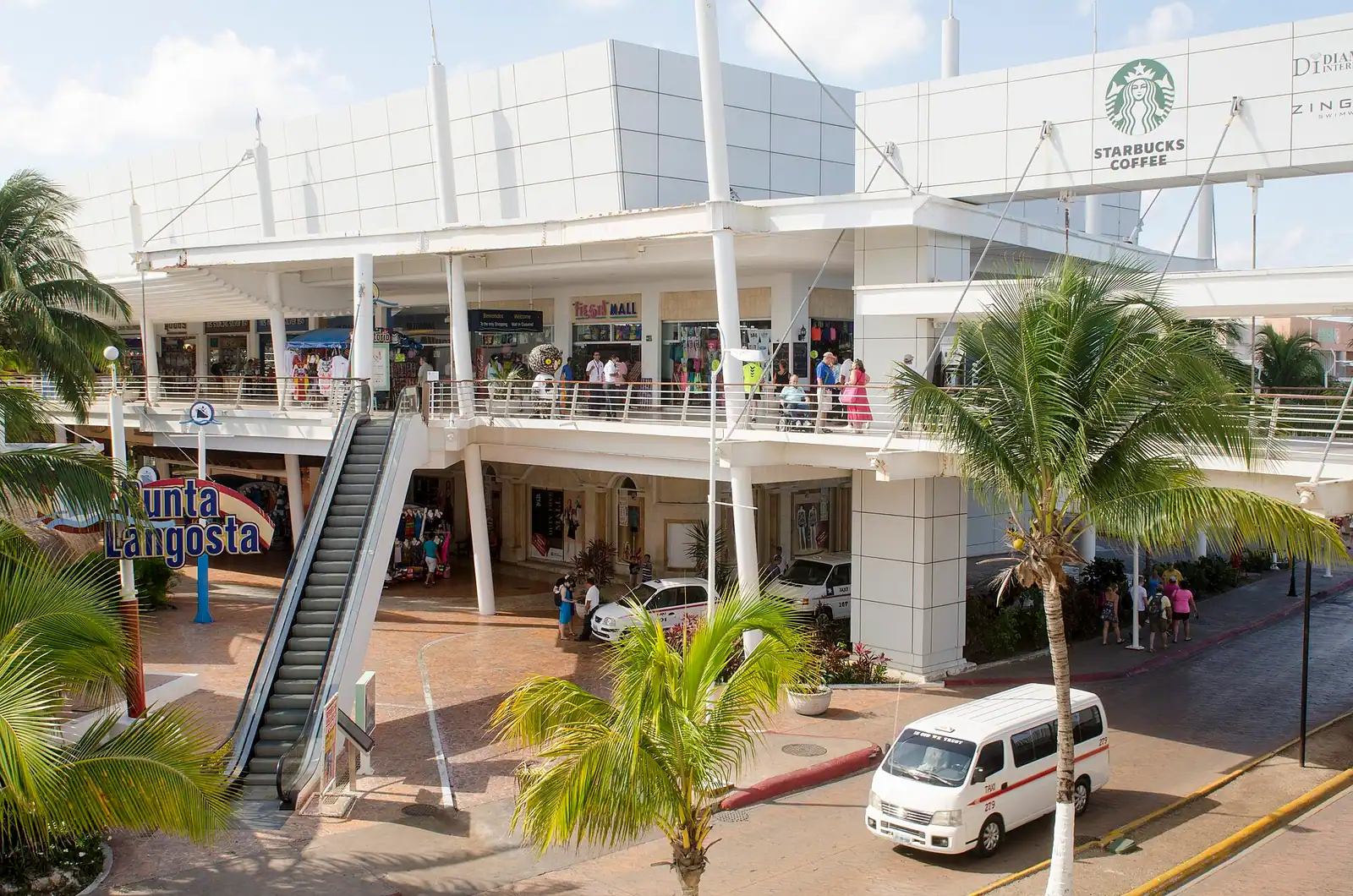
The second thing to learn is the pricing gradient, and it runs perpendicular to the shore. On Melgar and inside the pier malls you are in the duty-free economy: jewellery, branded silver, tequila "tastings" that are sales presentations, and people on the pavement offering you a free breakfast in exchange for ninety minutes of timeshare. One block inland on Avenida 5 it softens into restaurants that are still tourist-facing but pleasant. By Avenida 10 and 15 the menus are in two languages and the prices halve. By Avenida 25 and 30 you are eating where the dive instructors eat, and at the municipal market a few blocks inland you can have a full comida corrida for the price of a pier margarita. Nothing about this is hidden. It is just a three-minute walk that most visitors never take.
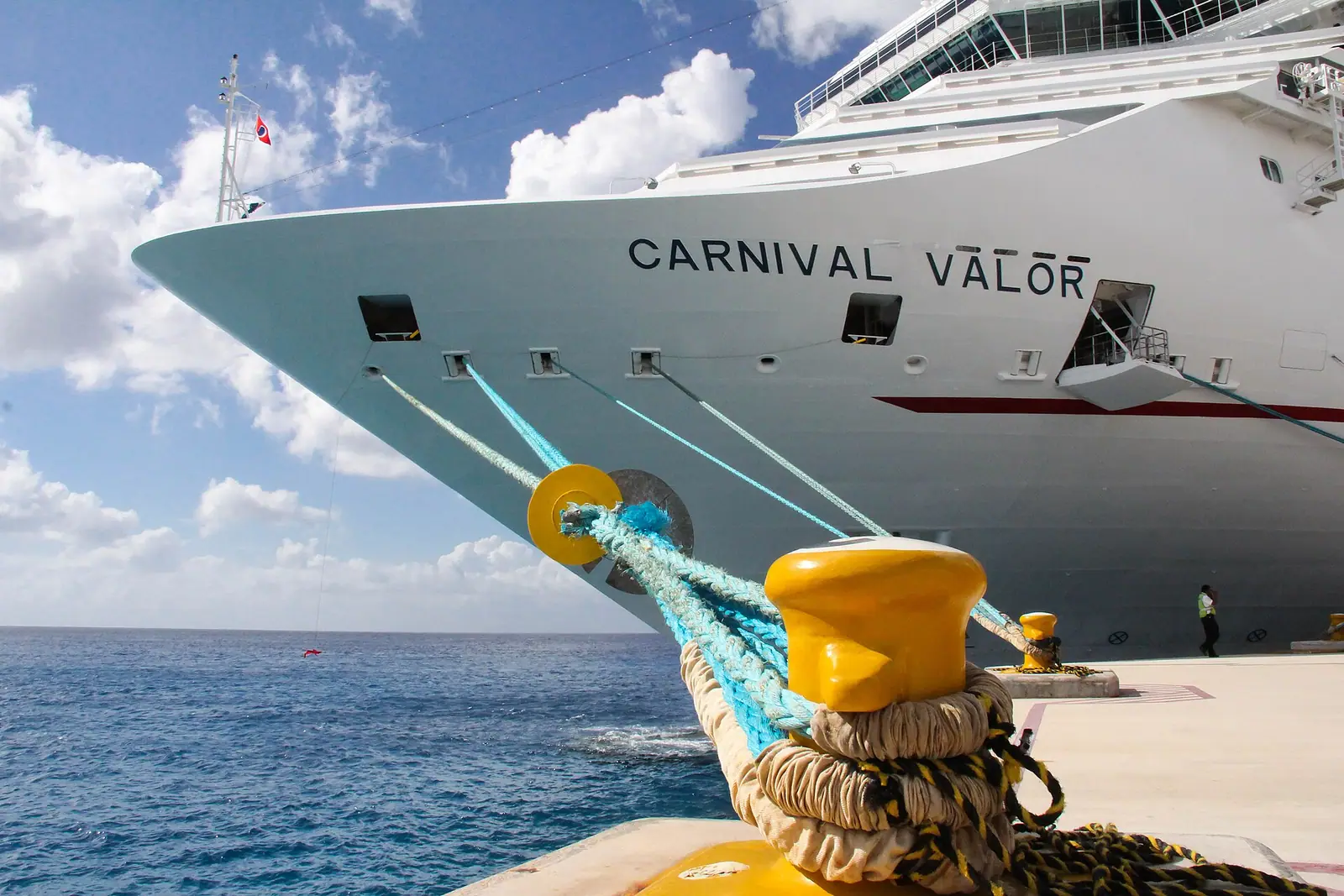
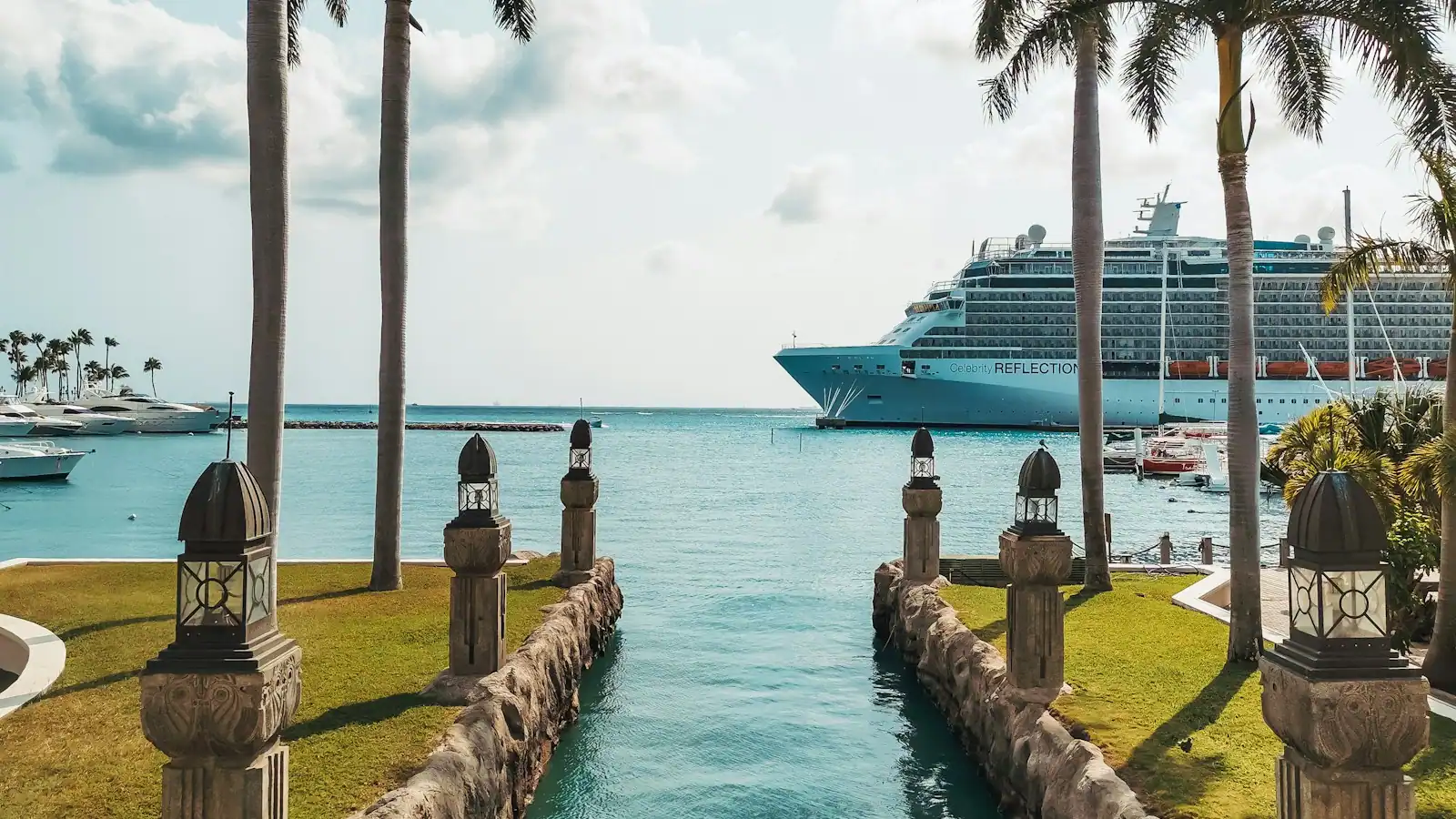
The third thing is time of day, and it splits the audience cleanly. Between about ten in the morning and four in the afternoon on a multi-ship day, downtown San Miguel belongs to the cruise call: fifteen thousand people, every taxi in use, the malecon shops fully staffed. Then the ships pull out, the temperature drops, the light goes long across the channel, and the town exhales. Families walk the malecon. The plaza fills. The restaurants that were empty at one in the afternoon have a wait at eight. If you are staying on the island, that evening town is the version worth planning your day around, and it is the single biggest thing that overnight visitors get and day visitors do not.
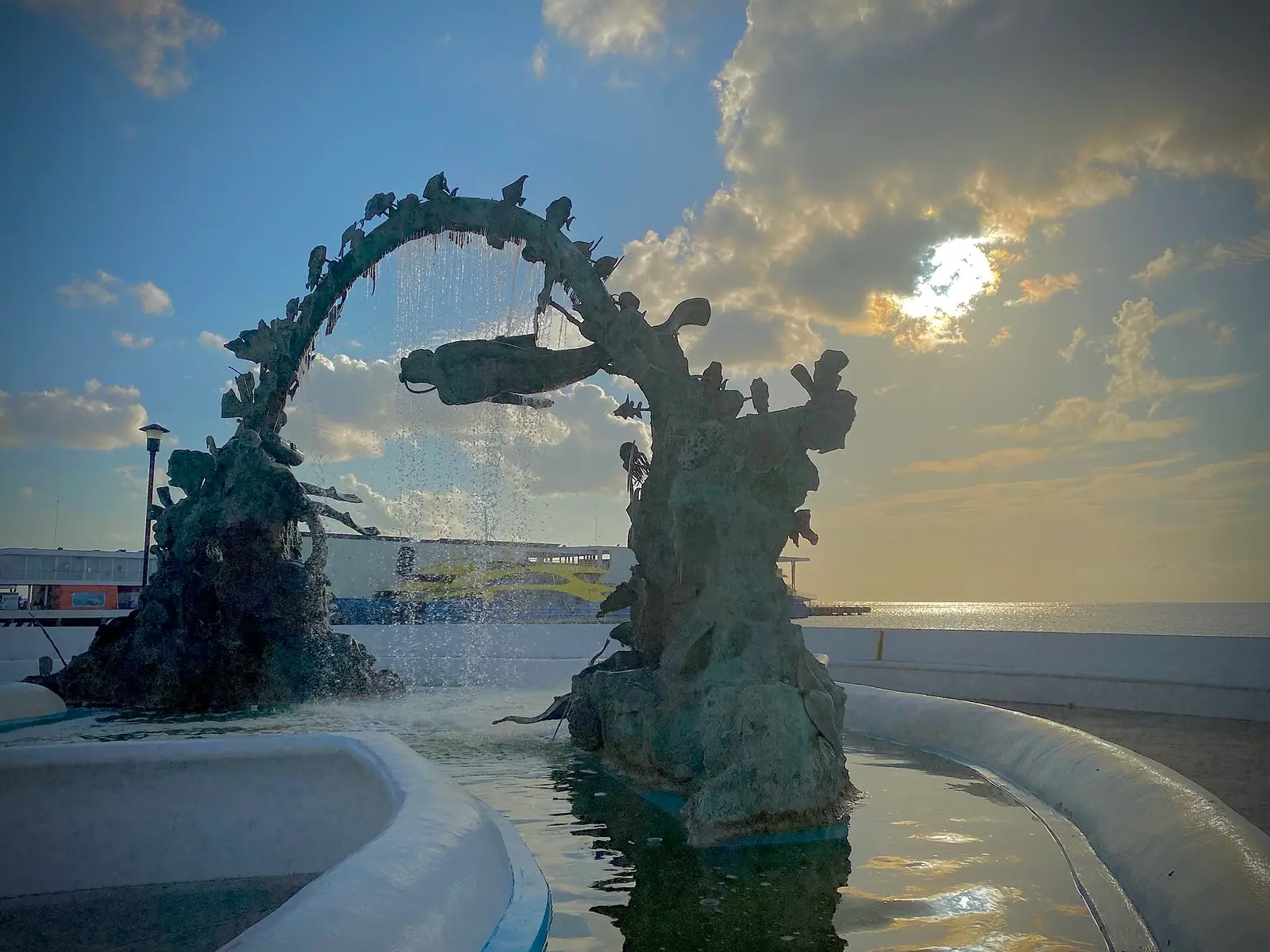
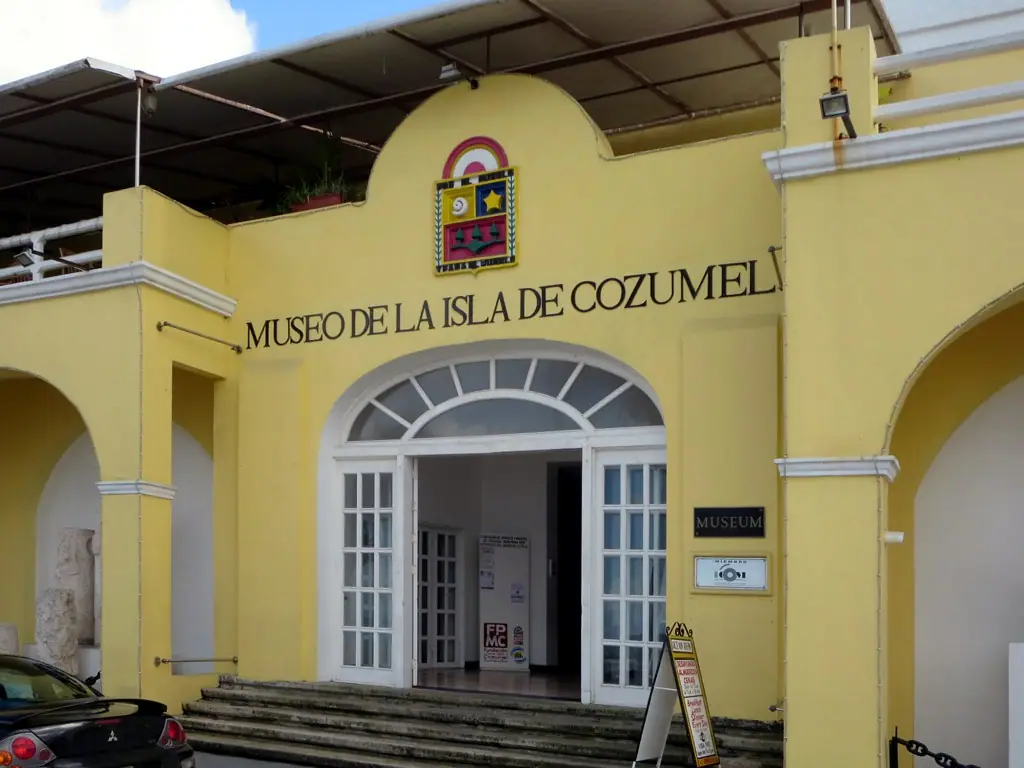
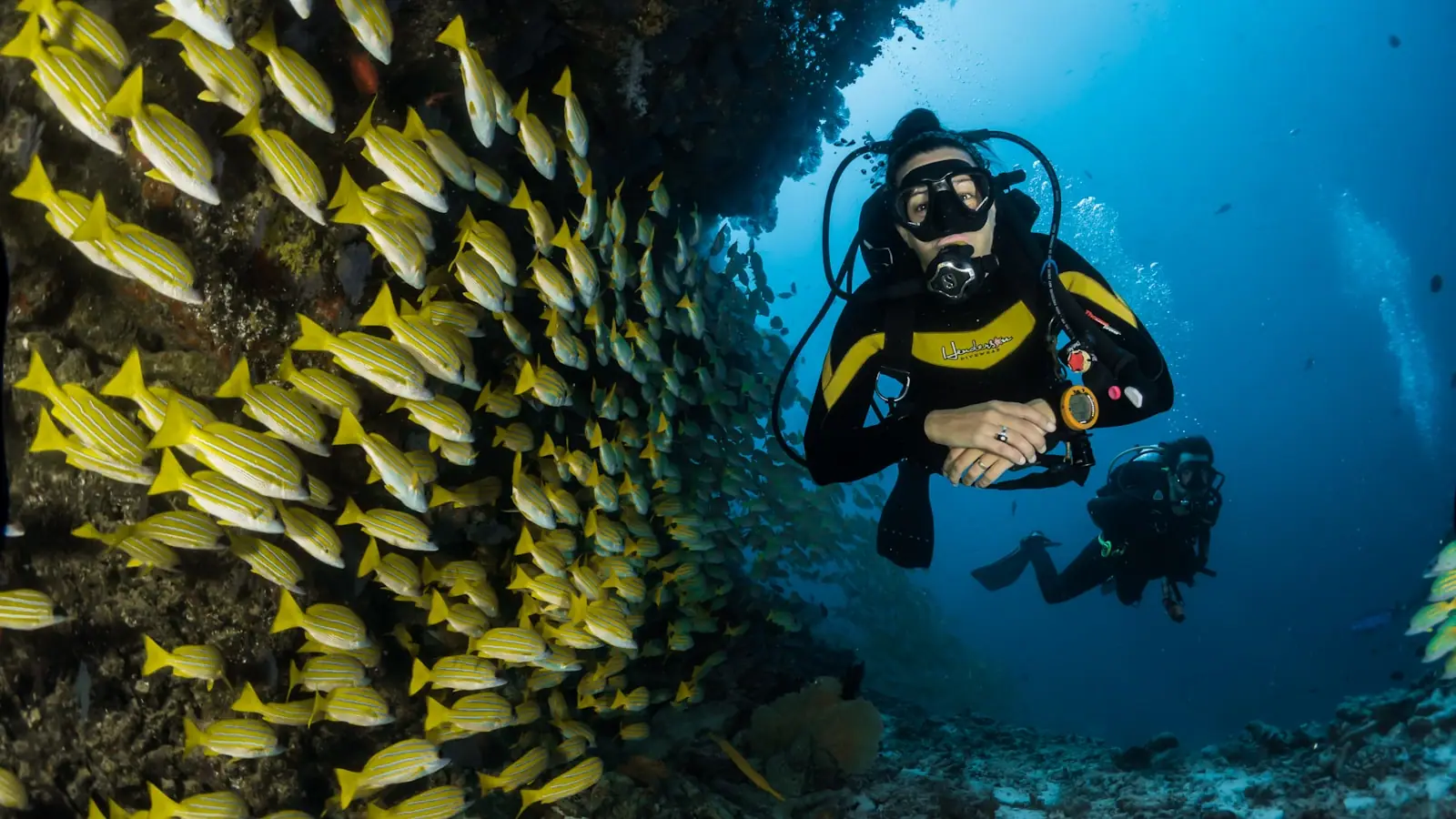
What is here to actually do? The plaza and the malecon, the island museum, the ferry pier at the foot of the square, the market, a genuinely good and fast-improving food scene, and a diving town's worth of shops and bars where conversations start with what you saw that morning. Cozumel's carnival, held in the run-up to Lent, is one of the oldest in Mexico and takes over Melgar for the better part of a week. None of that is monumental. All of it is the reason people keep coming back to an island they first saw for six hours.