Skip to content
Search
Menu

These go through Viator and earn us a commission. You pay the same as booking direct, and the commission did not choose the list.

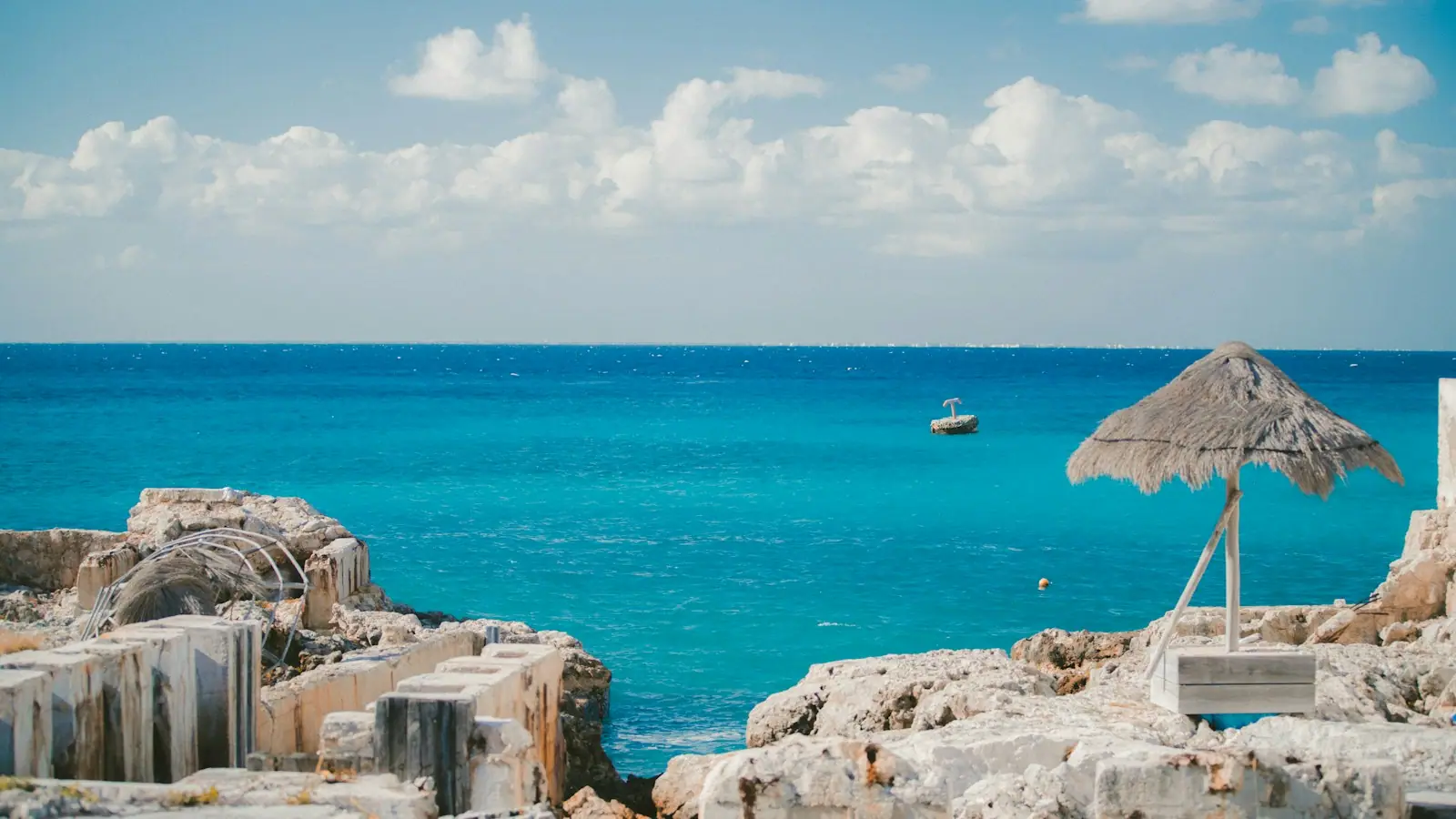
A thatched shade shelter beside low stone ruins on a coastal site with the Caribbean behind

Things to Do

Cozumel's Maya Sites: San Gervasio, El Cedral and the Rest

Last updated

Cozumel's Maya sites explained: San Gervasio's shrine to Ixchel, El Cedral, El Caracol at Punta Sur, the two gate fees, and how to visit without the heat.

Set your expectations correctly and Cozumel's Maya sites are one of the most interesting things on the island. Set them wrong and you will be disappointed within ten minutes. There is no great pyramid here. There never was. What Cozumel had instead was a role: it was a sanctuary island, and the buildings that survive are the modest architecture of a place people travelled to rather than a place people ruled from.

The island's Maya name, Cuzamil, is usually translated as the land of the swallows. Its significance was religious. Colonial accounts describe Cozumel as the site of a shrine to Ixchel — goddess of the moon, of childbirth and fertility, of weaving and of medicine — and record that Maya women from across the Yucatán were expected to make the crossing at least once in their lives to leave an offering. That is the fact that gives the stones their weight. You are standing in a place that people reached by paddling a canoe across nineteen kilometres of open channel, which is roughly the same water the cruise ships now cover in half an hour.

San Gervasio, in the middle of the island off the cross-island Transversal road, is the principal surviving site and the only one with any real scale. Its groups of low, thick-walled buildings were linked by sacbeob, the raised white limestone causeways the Maya built between ceremonial precincts, and one of those causeways still ends in an arch you walk through. The site was occupied for well over a thousand years and remained active into the sixteenth century, when Grijalva reached the island in 1518 and Cortés the following year. Within a generation, introduced smallpox had emptied the place. Cozumel was largely abandoned for two centuries, and the modern island begins in 1847, when families fleeing the Caste War settled at El Cedral.

Beyond San Gervasio the sites are small and scattered. El Cedral, a village three kilometres inland from the southern coastal road, has the island's oldest known standing structure — a single vaulted room, once painted, now sharing a green with a nineteenth-century church. El Caracol, inside the Punta Sur park at the southern tip, is a low conch-shaped building that locals have long said whistles when a strong wind comes in from the south, an idea that has attracted a good deal of speculation about hurricane warning and no shortage of embellishment. Castillo Real sits on the undeveloped northeast coast at the end of an unpaved track and is realistically off-limits to visitors in a rental vehicle.

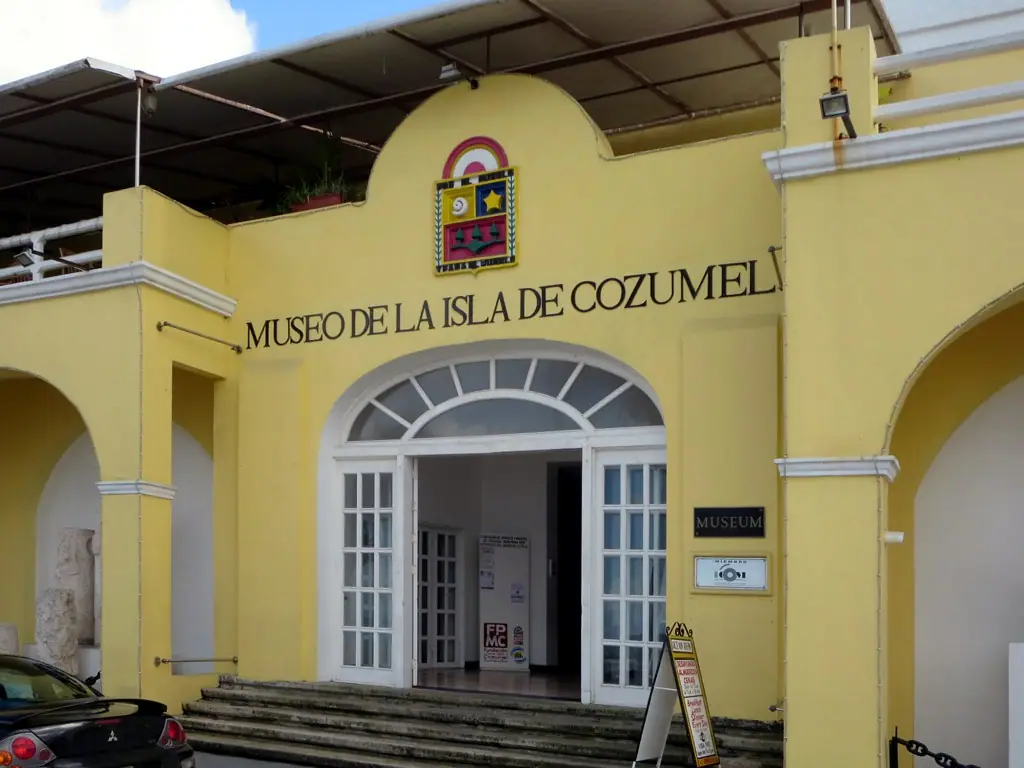
Do one thing first if you have the time: the island museum on the San Miguel waterfront. An hour there makes San Gervasio legible in a way no signboard at the site will.
Our picks

The ones we would book

  • Editor's Pick

    Best guided visit to San Gervasio

    Why we chose it

    The version with a real guide rather than a driver who waits in the car park. Cozumel's structures are small enough that the interpretation is most of the value: the sacbeob, the Ixchel pilgrimage, the handprints at Las Manitas. Look for a tour that allows a full hour and a half on site rather than the forty-five minutes the coach runs allow.

  • Best for Cruise Passengers

    Best ruins trip on a port day

    Why we chose it

    San Gervasio is twenty-five to thirty-five minutes from the southern piers, which makes it comfortably achievable inside a seven-hour call as long as someone else is doing the driving. Choose the tour that pairs the site with a beach or snorkel stop so the day has a second act, and confirm the published return time before booking.

    Polaris RZR
    Best for Cruise PassengersFree cancellationInstant confirmation

    Low Last Minute Supplier Cancellation Rate

    RZR Jungle Off Road to Jade Cavern & Chula’s Beach Club (opens in a new tab)

    105 reviews

    Enjoy pickup at any Cozumel cruise port and head to your Polaris RZR for an off-road adventure to the historic town of El Cedral. From…

    5 hours

    Prices checked

    from $104.99

What you are actually looking at

Cozumel's Maya architecture is small, low and built from rough limestone with thick walls and small doorways. Several structures still carry traces of the stucco and red paint that once covered them, and one group at San Gervasio has the small red handprints that give it the name Las Manitas.

The thing to understand is function. Mainland cities built upward for display and for astronomy. An island shrine complex built for use: shelters for offerings, platforms for ceremony, houses for the people who maintained the sanctuary, and the sacbeob linking them. The raised causeways are more interesting than they look — building a level white road through karst forest is an enormous amount of labour for a community of a few thousand, and it tells you how seriously the pilgrimage economy was taken here.

The Ixchel connection is the reason any of it exists. Ixchel is associated with the moon, weaving, medicine, childbirth and fertility, and the pilgrimage was largely a women's one. Some guides on the island reduce this to a joke about fertility rites. It deserves better. This was a functioning religious destination for centuries, sustained by people who crossed open water in canoes to reach it.

Bring some patience for scale. If you have just come from Chichen Itza or Tulum, the first ten minutes at San Gervasio can read as underwhelming. Give it half an hour and a guide, and it becomes the more interesting site precisely because it was never built to impress anyone.

San Gervasio, group by group

San Gervasio sits roughly in the middle of the island, signposted off the Transversal about seven kilometres east of San Miguel and then a few kilometres north on a paved side road. The site is laid out as a loop of shaded paths connecting several groups, and walking all of it takes an hour to ninety minutes at a reasonable pace.

El Arco, the arch, marks where one of the old sacbeob enters the central precinct. It is the photograph everyone takes and it is worth understanding what it framed.

Ka'na Nah, the tall house, is the largest structure on the site: a stepped platform that carried a temple, thought to be closely associated with the Ixchel shrine.

Nohoch Nah, the big house, is a small, almost complete building with its roof intact and traces of paint inside. It gives you the clearest sense of what these structures actually looked like when they were in use.

Las Manitas, named for the red handprints on an interior wall, was probably a residence of some standing. The handprints are faint, and you will want the guide to point them out.

Murcielagos, the bats group, sits at the far end of one of the causeways and is the quietest part of the site.

Shade is patchy and the paths are crushed limestone. There are toilets and a small shop at the entrance, and licensed guides wait at the gate. Hiring one roughly doubles what you get from the visit, and they will quote per group rather than per person.

El Cedral, El Caracol and the sites you can skip

El Cedral is a village of a few hundred people about three kilometres inland from the coastal road in the south of the island. The Maya structure is one small vaulted room, and it takes two minutes to look at. What makes the detour worthwhile is the context around it: the little nineteenth-century church beside it, the green, the handicraft stalls, and the fact that this is where modern Cozumel began, settled in 1847 by mestizo families fleeing the Caste War of Yucatán. If you are on the island in late April or early May, the Festival de El Cedral takes over the village for several days with rodeo, dances, food and a fairground — the biggest traditional celebration on Cozumel and a genuinely local one.

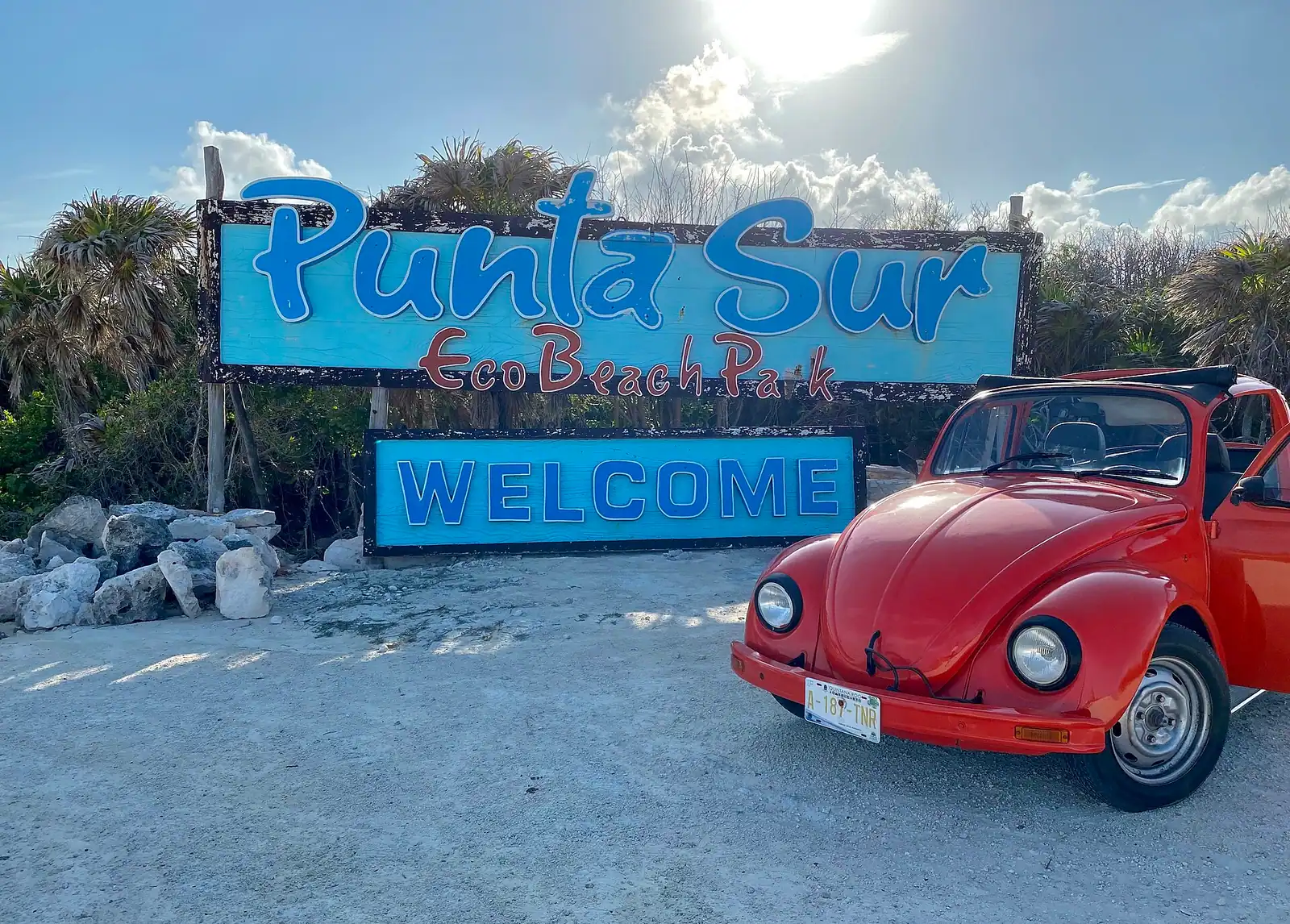
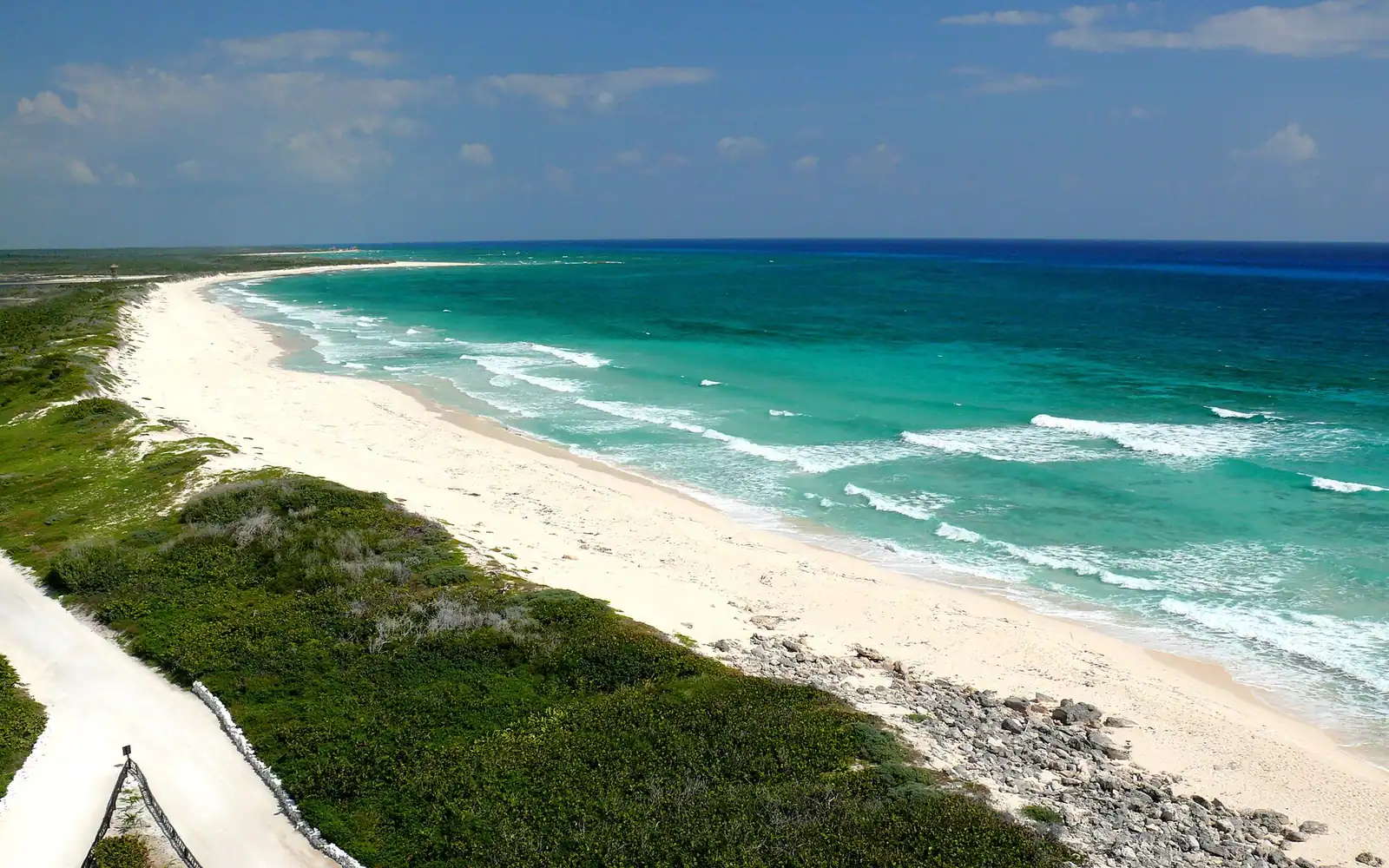
El Caracol stands inside the Punta Sur Eco Beach Park at the southern tip, so seeing it means paying the park entry. It is a small structure whose conch-shell form is said to produce a whistling sound when a strong southerly blows, which has long been read as a storm-warning device. Treat that as tradition rather than established fact. The park ticket also covers the Celarain lighthouse, the Laguna Colombia crocodile viewing boardwalk and several beaches, so the ruin is a bonus rather than a reason to go.

Castillo Real, on the northeast coast, is reached by an unpaved track that rental agreements almost universally prohibit. Skip it.

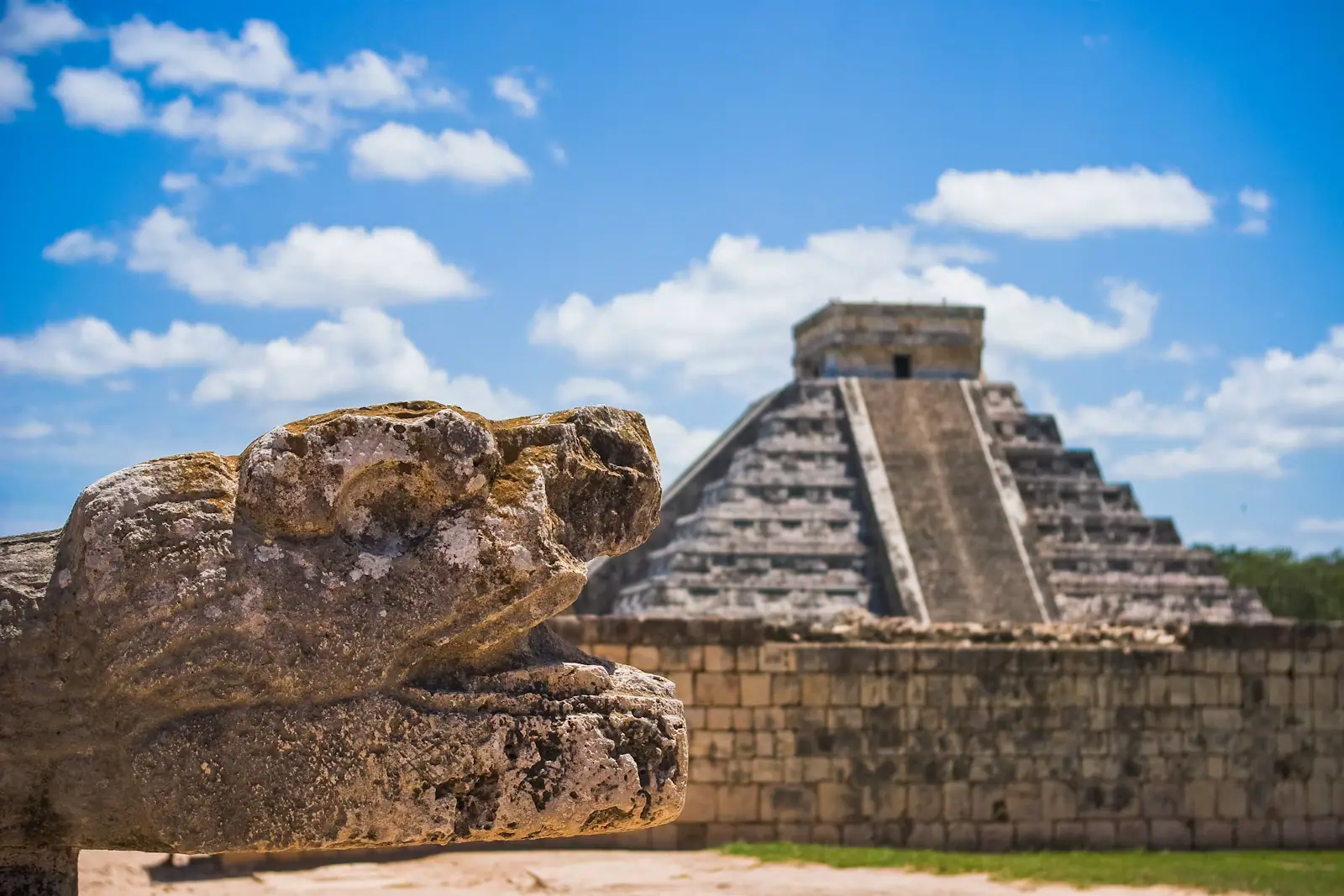
Discover Mexico Park is not an archaeological site. It is a well-made attraction with scale models of Mexico's monuments, which some families enjoy and which is honestly better described as an introduction than a substitute.

Museo de la Isla de Cozumel on the malecon is the one stop that improves all the others. Small, air-conditioned, and strong on the island's Maya period and its post-contact collapse.

Tickets, fees and what a ruins day costs

What it costs

San Gervasio charges twice at the same gate, which surprises almost everyone. There is an INAH federal entry fee for the archaeological zone, and a separate charge collected for the local parks and museums foundation that maintains the site and the access road. Together they have recently totalled somewhere in the region of fifteen US dollars per adult, payable in pesos. Bring cash.

Discounts follow Mexico's national rules rather than the site's: children, students, teachers and seniors with valid identification pay less or nothing, and INAH sites are free to Mexican nationals and residents on Sundays — which is also why Sunday is the busiest day with local visitors.

The rest of the money on a ruins day goes on transport and guides.

  • Licensed guide at San Gervasio: quoted per group, commonly in the region of forty to sixty US dollars for a tour of an hour or so. Split between four people this is the single best value on the island.
  • Taxi from San Miguel: fixed-zone pricing, per cab rather than per person. Agree a round trip with waiting time before you set off, because there are no taxis idling at the gate.
  • Guided half-day tour from a pier or hotel: typically $60 to $110 per person including entry.
  • Punta Sur park entry, if El Caracol is on the list: in the region of twenty-odd dollars per adult, less for children.
  • El Cedral: free to visit; the stalls and the village are cash-only.

Rates are adjusted periodically, so verify current pricing before you go. Card acceptance at the San Gervasio gate is unreliable.

When to go, and how long you need

When to go

Go at opening. San Gervasio generally runs from about 8am to 4pm daily, with last entry before closing, though hours shift and it is worth checking before you set off. The first hour is cooler, quieter and far better for photographs, and the interior of the island holds heat like a stone oven by eleven.

Allow two hours at San Gervasio including a guided walk, plus travel each way. Add forty minutes for El Cedral if you are combining. Punta Sur is a half day in its own right.

Avoid the middle of the day between March and September. There is limited shade on the paths and no breeze inland — the sea breeze that makes the coast bearable does not reach the interior.

After rain, bring repellent and expect mosquitoes. The wet season runs roughly June to October and the jungle either side of the site produces them in numbers within a day of a downpour.

Sunday is busy with local visitors because INAH sites are free to Mexican nationals and residents that day. It is also the most interesting day to be there if you like the atmosphere of a site being used rather than toured.

Nortes, the strong northerly winds that sweep the channel between roughly November and March, frequently cancel boat trips and close the port to small craft. Those are exactly the days to go inland, and the ruins are at their best in that cooler, drier air.

Book it

Everything else we track

We could not find tours matching this right now

Nothing came back for San Gervasio. Operators add and retire experiences constantly, so this list changes week to week. Try a broader category, or come back in a day or two.

Tour, taxi, jeep or scooter

How they compare

San Gervasio is fifteen to twenty minutes from San Miguel and twenty-five to thirty-five from the southern cruise piers, and how you get there shapes the day.

Guided tourTaxi with waitingRental jeep or carScooter
CostHighest per head, everything includedMid, better split across fourLowest for a full dayCheapest
Guide includedYesNo, hire one at the gateNoNo
FlexibilityFixed itineraryGood, if you agree the waitTotalTotal
Works on a cruise dayYes, with a return guaranteeYes, but agree the returnTight once paperwork is countedNot recommended
Weak pointRushed at the siteNo cabs waiting at the gateMexican liability insuranceRain, traffic, no shade

The combination that works best for independent visitors: drive or take a taxi to the site early, hire a licensed guide at the gate, and add El Cedral or Punta Sur on the way back down the coast. That gets you the guide's knowledge without the coach schedule.

For cruise passengers on a call of seven hours or more, a guided half day that pairs San Gervasio with a beach stop is the sensible booking, since it removes the risk of standing at a gate in the middle of the island with no taxi.

Whatever you choose, do not plan on ride-hailing. Uber and similar services do not operate on Cozumel and there is no visitor bus network. Taxis, rentals and organised tours are the whole menu.

What to bring, and how to behave at the site

What to bring

  • Cash in pesos. Two separate fees at the San Gervasio gate, a guide paid in cash, and no reliable card terminal.
  • Insect repellent. The most frequently regretted omission on this page.
  • Water, and more than you think. There is a shop at the entrance and nothing on the paths.
  • A hat and reef-safe sunscreen. Shade on the loop is intermittent.
  • Closed shoes or proper sandals. The paths are crushed limestone and uneven in places.
  • A light long-sleeved shirt if you burn, which beats reapplying sunscreen in the heat.

Conduct at the site is straightforward and it is enforced.

  • Do not climb on the structures. They are small, fragile and thinly mortared, and unlike some mainland sites there is no expectation here that anything is climbable.
  • Do not touch painted surfaces. The stucco traces and the handprints at Las Manitas survive because people keep their hands off them.
  • Tripods require an INAH permit at Mexican archaeological zones, and drones are not permitted. Handheld cameras and phones are fine.
  • Leave everything where it lies. Removing anything from an archaeological zone is a federal offence in Mexico, and that includes fragments of stone.
  • Iguanas are everywhere and are not pets. They are also faster than they look.

A final courtesy: at El Cedral you are walking through a village of a few hundred people who live there. Ask before photographing anyone, and buy something from a stall if you use the shade.

On the ground

Where to go

Every place below has its own page — hours, parking, what it costs and what to expect when you get there.

  • A white lighthouse standing above low coastal scrub and dunes at the tip of a Caribbean island

    Park

    Punta Sur Eco Beach Park

    A thousand hectares on Cozumel's southern tip that you drive through rather than walk, ending at a lighthouse and a crocodile lagoon.

    2–5 hoursPaid park, charged per person at the gate, with a reduced rate for children. Your vehicle then drives the internal road at no extra charge.

  • Low stone Maya structures with corbelled doorways standing in cleared tropical forest

    Historic site

    San Gervasio Archaeological Site

    The island's principal Maya site: a sanctuary of Ixchel that drew women across the channel by canoe for six hundred years.

    1–2 hoursPaid archaeological site operated by INAH, charged per person in pesos, usually cash. Guides are extra and charged per group.

  • A slim white lighthouse tower rising above low coastal scrub at the southern tip of a Caribbean island

    Landmark

    Faro Celarain Lighthouse

    A working lighthouse on Cozumel's southern point, about 133 narrow steps up, with reef on one side and a crocodile lagoon on the other.

    1–1.5 hoursNo separate charge for the lighthouse or the museum, but you must pay Punta Sur park admission per person at the gate to reach it.

  • Low stone Maya structures with corbelled doorways standing in cleared jungle

    Museum

    Museo de la Isla de Cozumel

    The one place on the island that explains why the reef, the endemic animals and the town all ended up the way they did.

    1–1.5 hoursA modest peso-denominated admission charged at the door, with reductions for children.

  • A stepped stone pyramid with a broad staircase standing in cleared ground under a bright sky

    Entertainment

    Discover Mexico Park

    Mexico's landmarks shrunk to knee height, ten minutes from the piers — the lowest-risk two hours on a short cruise day.

    1.5–2.5 hoursPaid admission per adult with a reduced child rate; tequila and chocolate tastings are generally included, purchases are not.

  • A single small pre-Hispanic stone structure standing under a protective roof on open grass
    Free

    Historic site

    El Cedral

    Cozumel's oldest settlement, where a single small Maya building shares a square with a church founded by refugees in 1848.

    0.5–1 hoursFree to walk into the village and look at the Maya structure and the church.

Straight answers

Questions people actually ask

Are there Mayan ruins on Cozumel itself?

Yes, several, though none of them are large. San Gervasio in the middle of the island is the main site and the only one with real scale. El Cedral in the south has a single small vaulted structure, the island's oldest standing building. El Caracol sits inside the Punta Sur park at the southern tip, and Castillo Real on the northeast coast is effectively unreachable. Cozumel was a pilgrimage island rather than a city, so the architecture is modest by design.

How much does it cost to visit San Gervasio?

Expect two separate charges at the gate: an INAH federal archaeological-zone fee and a local parks and museums fee that maintains the site. Together they have recently totalled somewhere around fifteen US dollars per adult, payable in pesos, with reductions for children, students, teachers and seniors with ID. Card payment is unreliable, so bring cash, and verify the current rate before you go.

Is San Gervasio worth visiting if I've seen Chichen Itza or Tulum?

It is a different kind of visit rather than a smaller version of the same one. Chichen Itza and Tulum are monumental. San Gervasio is a sanctuary complex of low buildings joined by raised limestone causeways, and its interest lies in what it was for: a shrine to Ixchel that Maya women crossed the channel by canoe to reach. Hire a guide at the gate. Without one, the stones do not explain themselves.

What was Cozumel's significance to the Maya?

It was a sanctuary island. Colonial accounts describe a shrine to Ixchel — goddess of the moon, childbirth, weaving and medicine — and record that Maya women from across the Yucatán were expected to make the pilgrimage here at least once. The island's Maya name, Cuzamil, is usually read as the land of the swallows. Occupation ran for well over a thousand years and collapsed within a generation of Spanish contact in 1518 and 1519.

Can you climb the ruins at San Gervasio?

No. The structures are small, thinly mortared and fragile, and climbing them is prohibited. Several still carry traces of original stucco and paint, including the red handprints at Las Manitas, which survive only because visitors keep off them. Tripods require an INAH permit at Mexican archaeological zones and drones are not allowed, but handheld cameras and phones are fine.

How long does San Gervasio take to visit?

About an hour and a half to two hours on site if you walk the full loop with a guide, plus fifteen to twenty minutes each way from San Miguel or twenty-five to thirty-five from the southern cruise piers. Go at opening, around 8am, because the interior of the island has no sea breeze and gets genuinely hot by mid-morning. Adding El Cedral on the way back costs another forty minutes.

Do you need a guide at Cozumel's ruins?

Strongly recommended at San Gervasio. Licensed guides wait at the entrance and quote per group rather than per person, typically in the region of forty to sixty US dollars for an hour, which divides well across a family. The signage on site is limited, and the buildings are subtle enough that most of what makes them interesting — the causeways, the Ixchel shrine, the handprints — has to be pointed out.

When is the Festival de El Cedral?

Late April into early May, running for several days in the village of El Cedral in the south of the island. It marks the Feast of the Holy Cross and combines religious ceremony with rodeo, traditional dances, food stalls and a fairground. It is the island's biggest traditional celebration and a genuinely local one rather than a tourist event. Dates shift year to year, so check locally before planning around it.