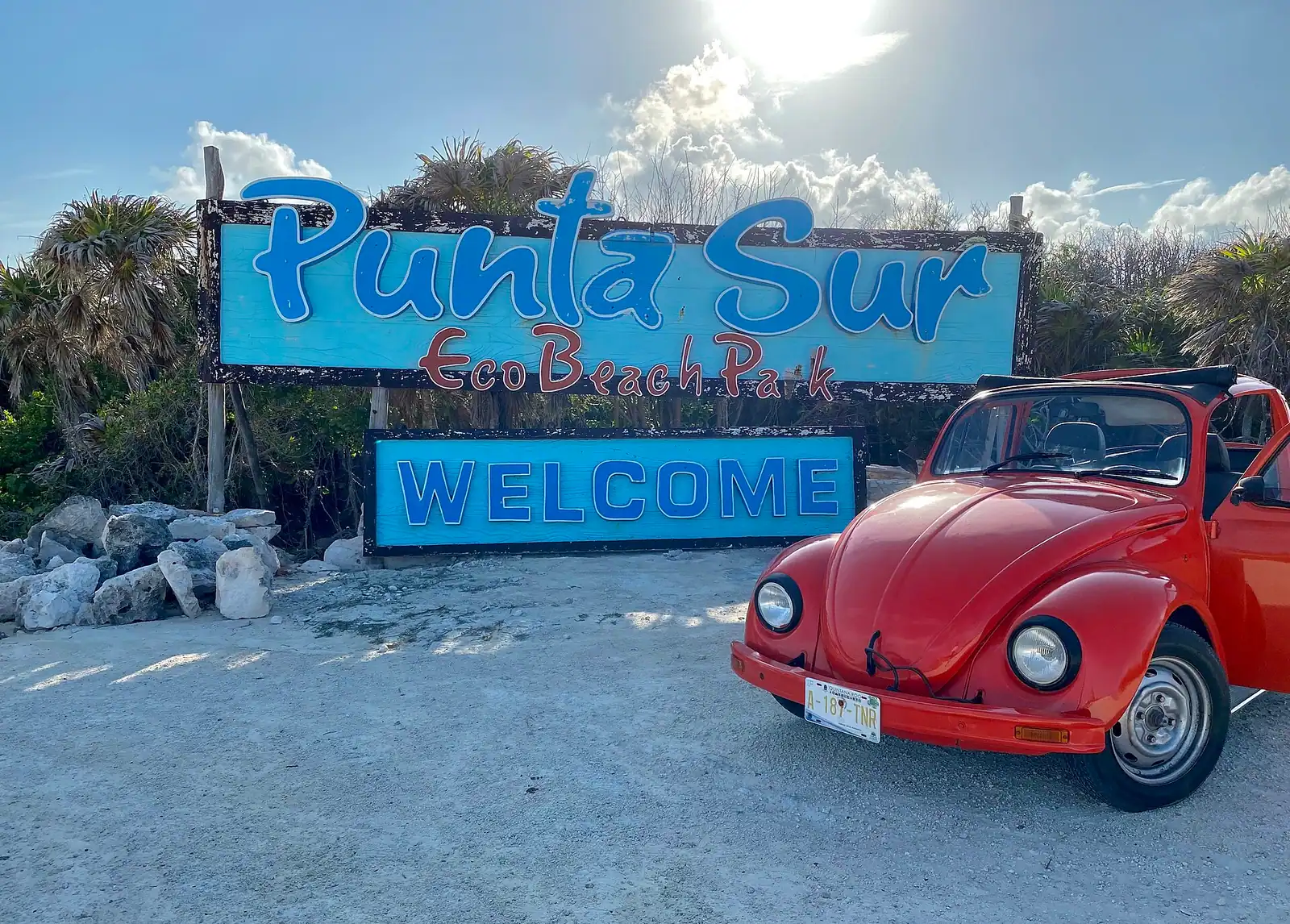
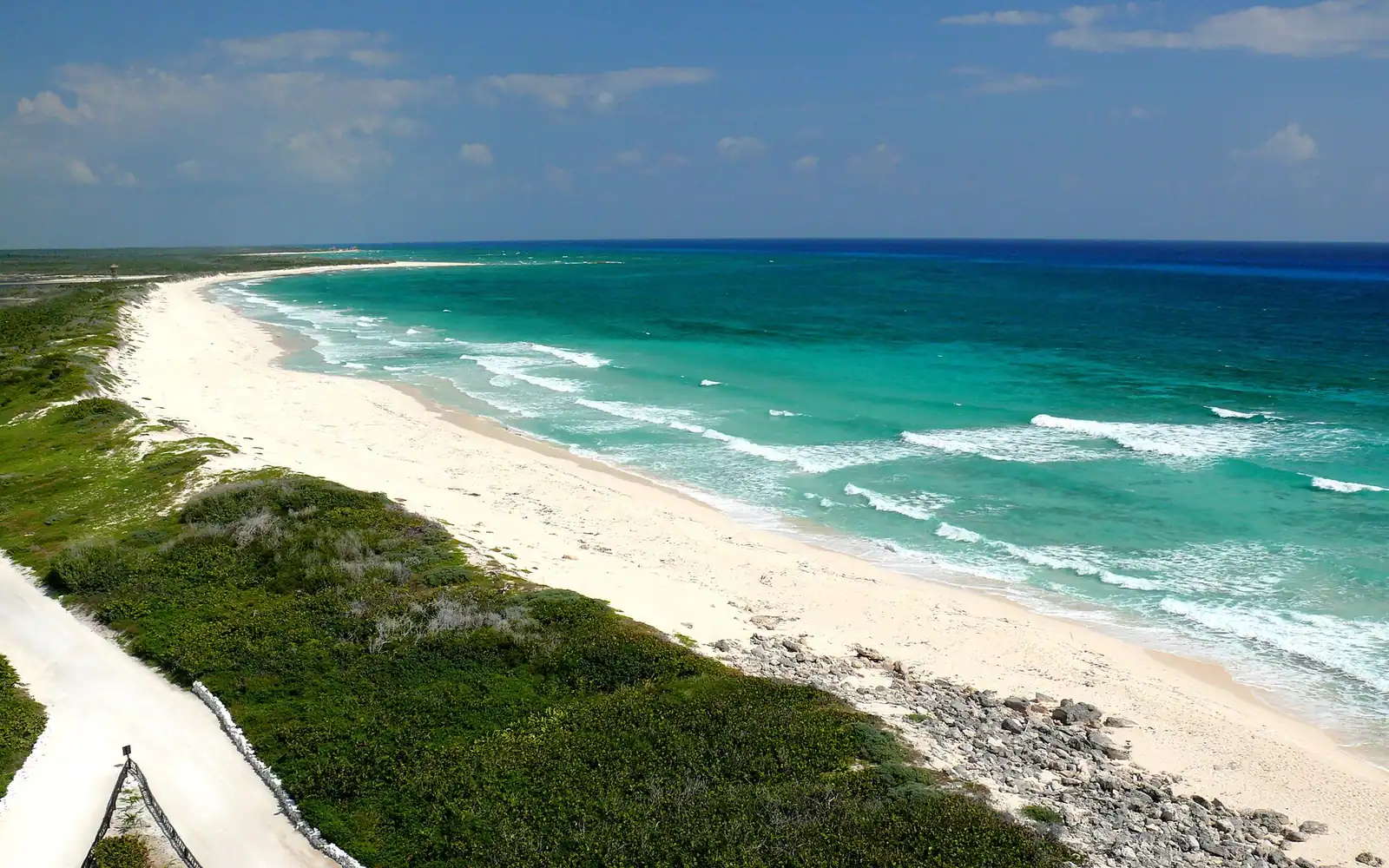
Punta Sur takes up the whole southern tip of Cozumel, roughly a thousand hectares of dune, mangrove, lagoon and low coastal forest, and it is the only part of the island where you can see what the place looked like before anyone built anything on it. It is a paid park with a gate on the coast road, and the single most important thing to understand before you arrive is that it is a drive-in park. Past the gate there is something like five miles of narrow internal road running down to the lighthouse and the beaches, and there is nowhere to leave a car at the entrance and walk in instead.
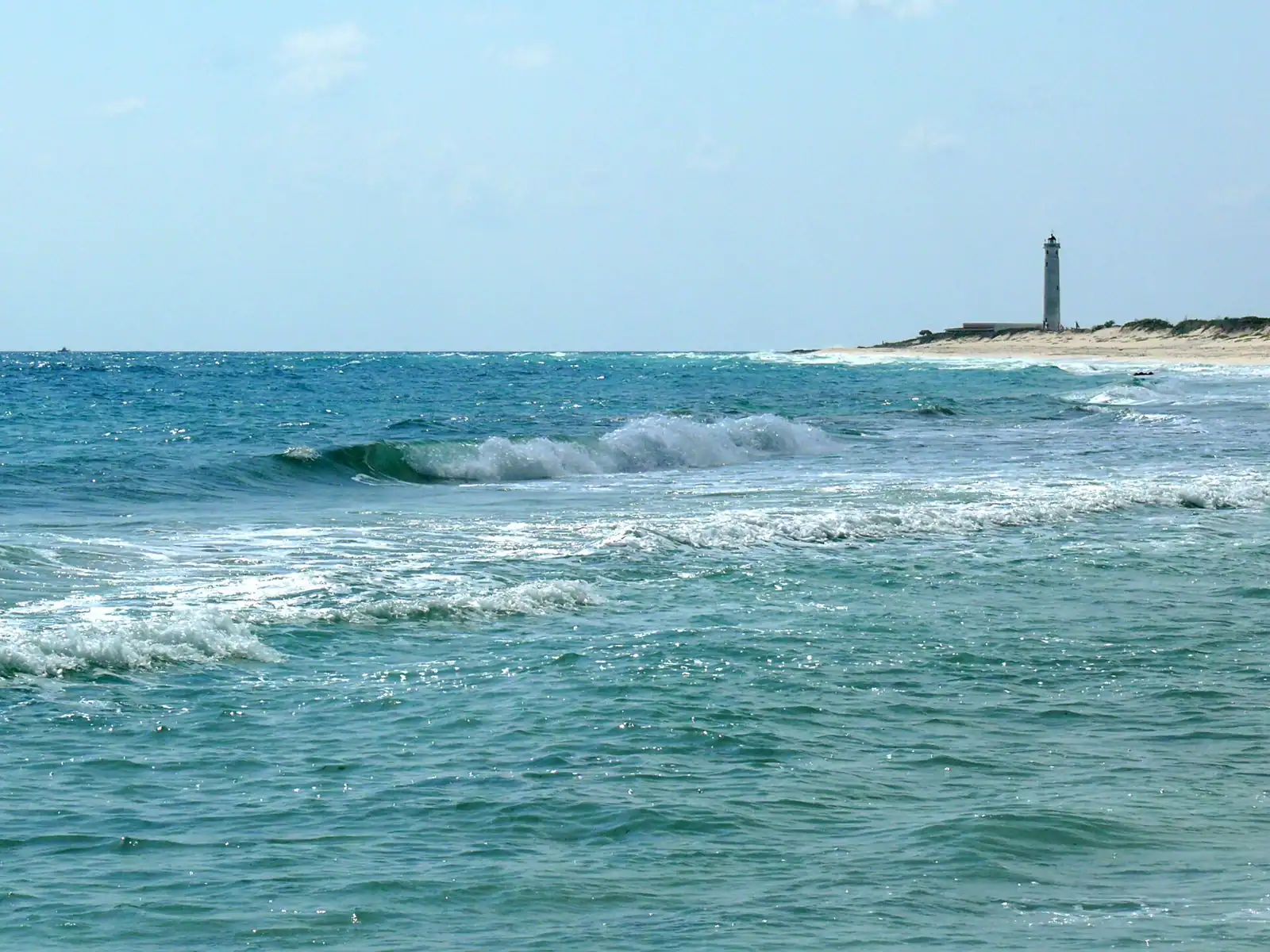
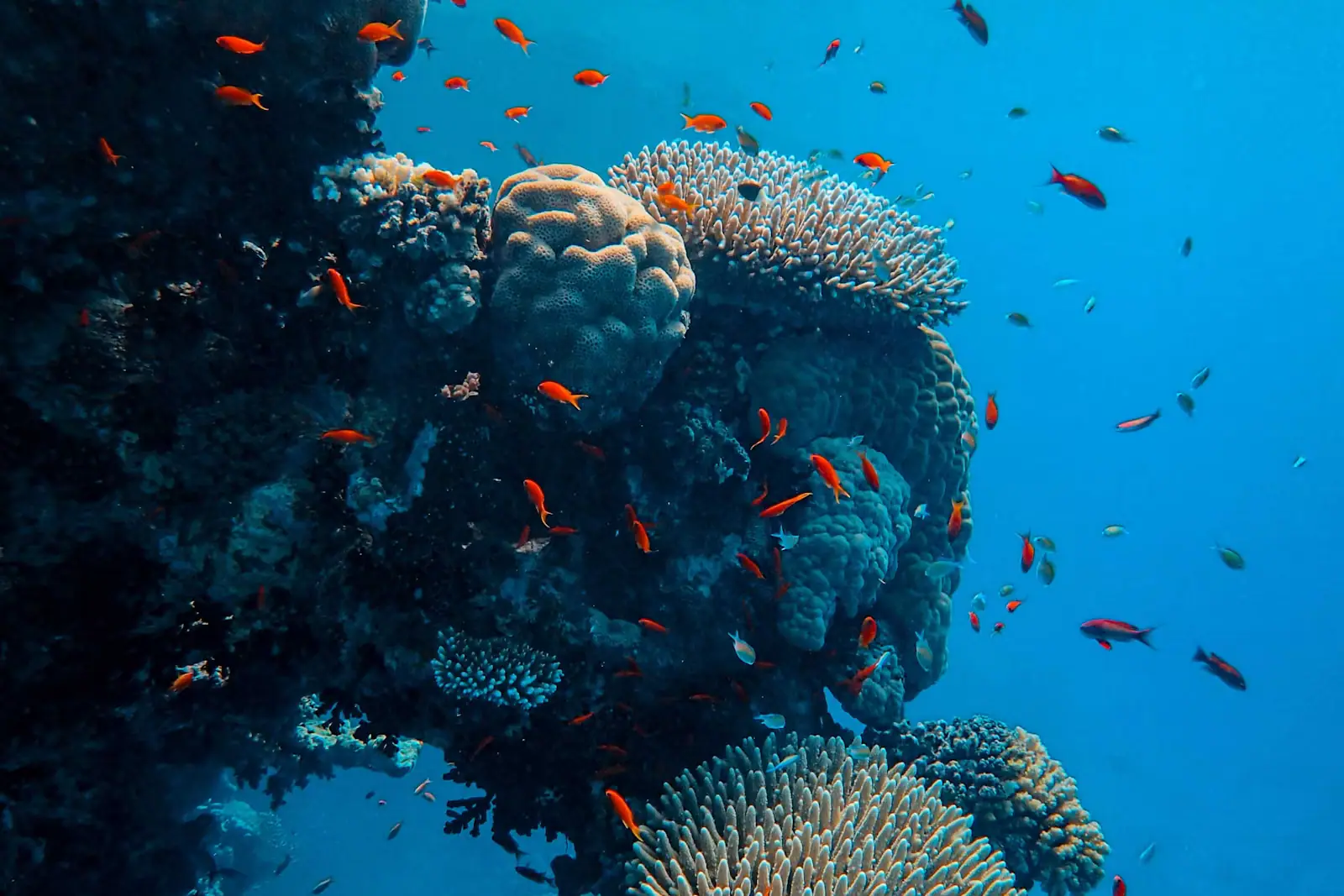
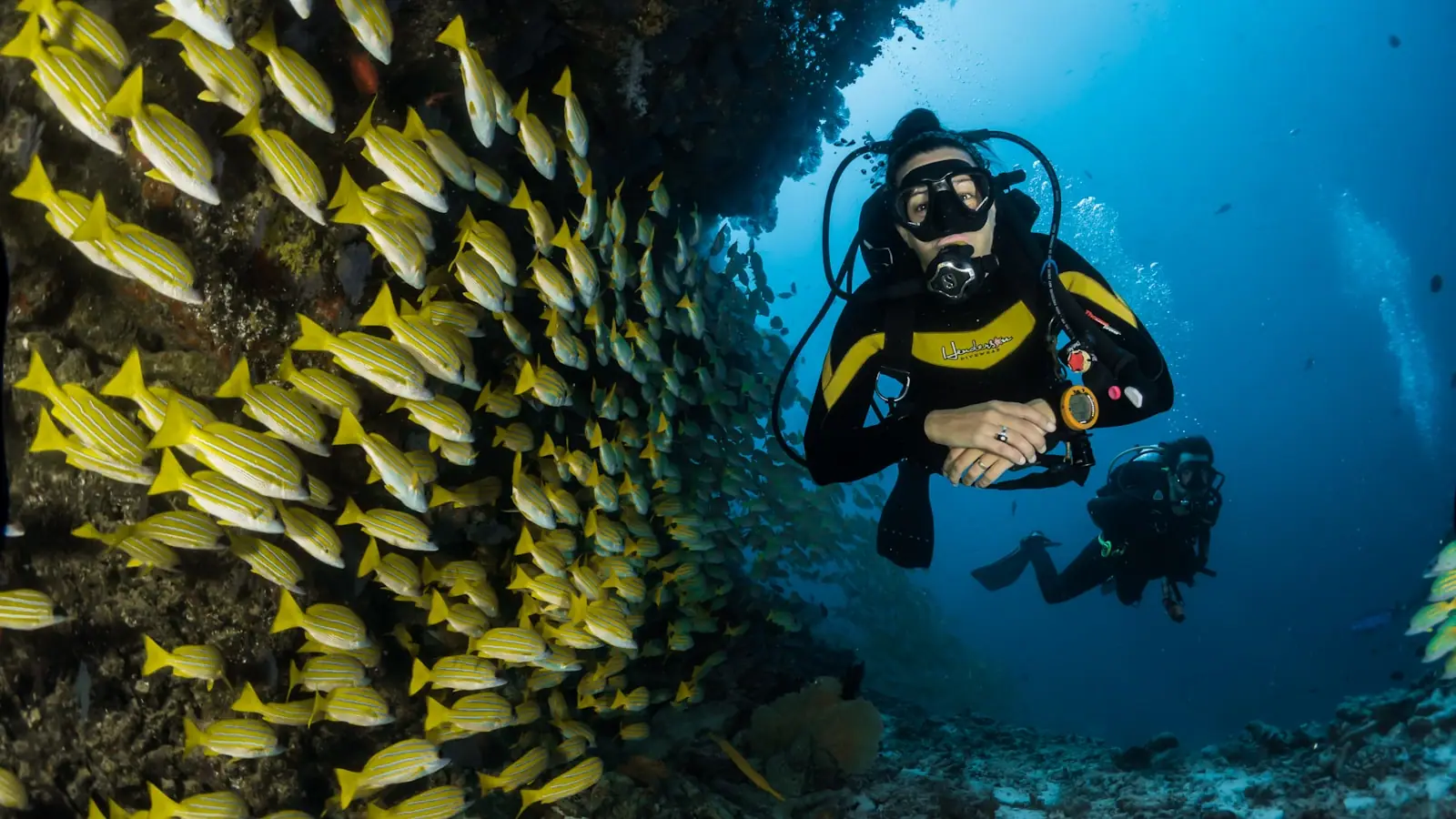
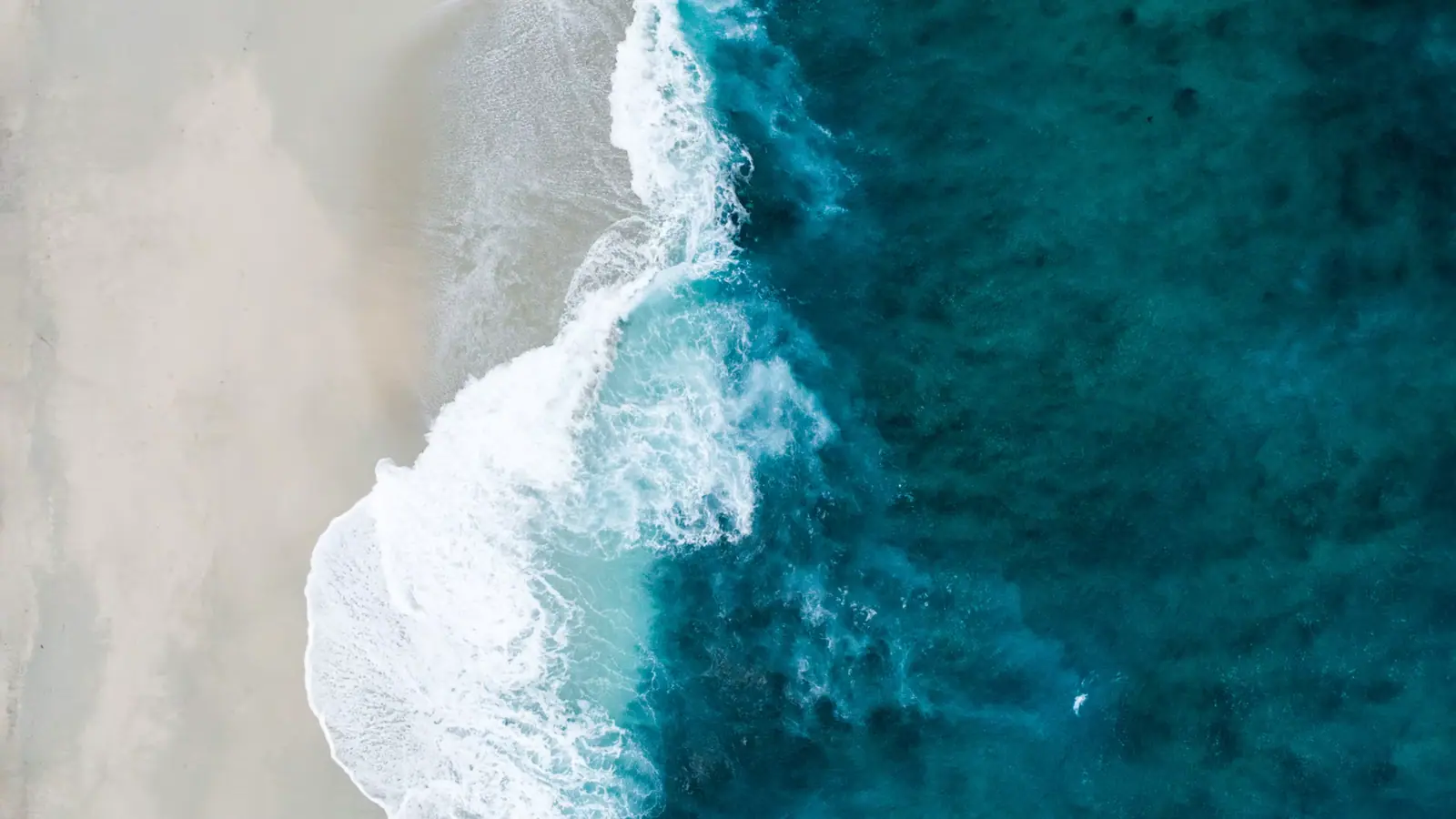
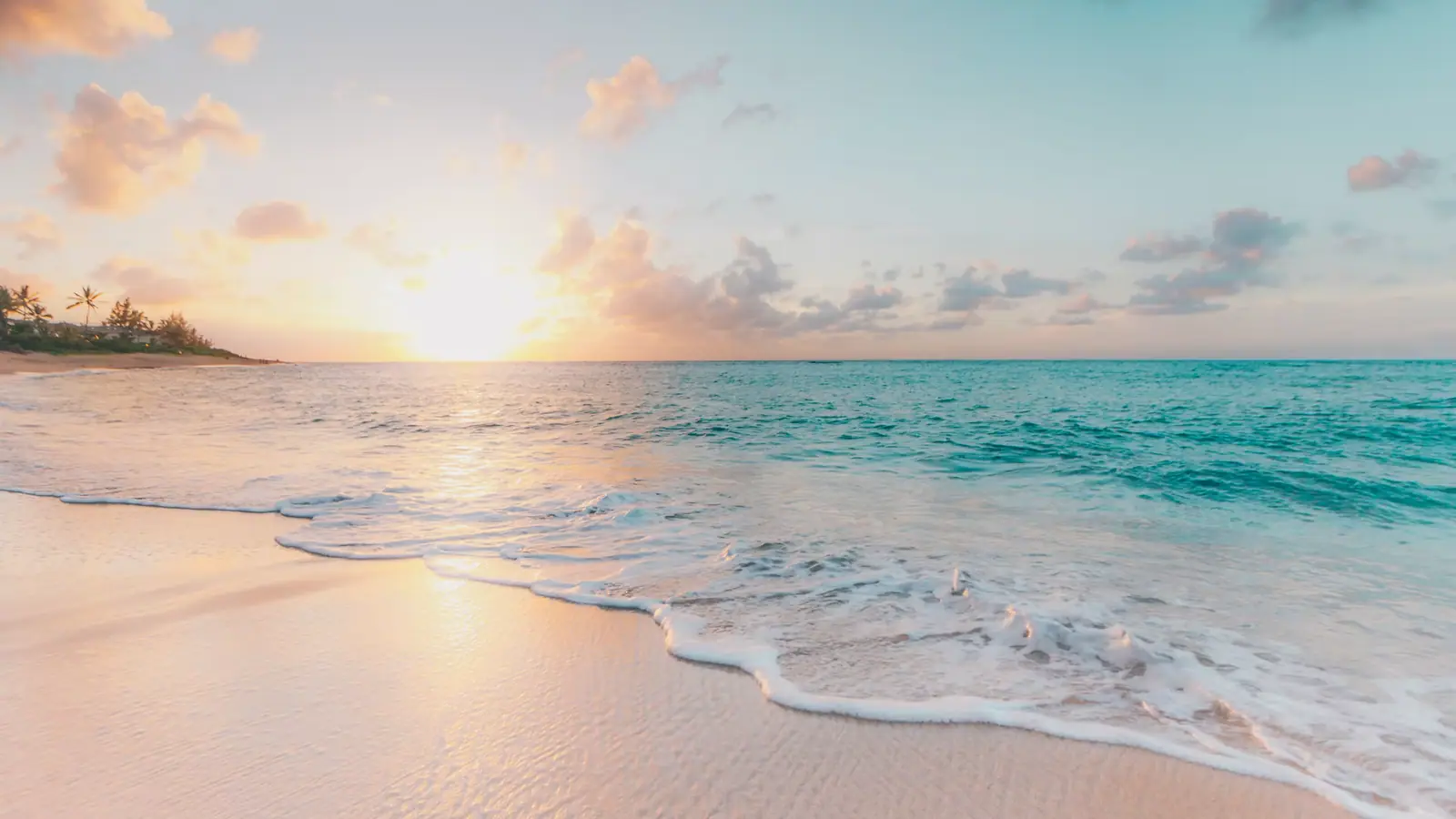
That geography shapes the visit. You pay at the gate, you drive south with scrub on both sides and the occasional iguana crossing, and you stop at a handful of things strung along the way: the Laguna Colombia boardwalk and observation tower, where American crocodiles live and where nobody swims; the beach at the tip, which is wide, wild and almost always empty; and the Faro Celarain lighthouse with the small navigation museum in the old keeper's house at its base. The Colombia Shallows reef runs close enough inshore at the park beach that the snorkelling from the sand is genuinely good — a rare thing on an island where almost everything worth seeing needs a boat.
What Punta Sur is not is a beach club. There is a modest beach operation with loungers and a bar at the tip, and that is the extent of the infrastructure. No large restaurant, no shops, no reliable shade away from the palapas, no mobile signal in patches. Bring water and sunscreen in rather than expecting to buy them.
The wildlife is the reason to go slowly. Crocodiles in the lagoon system, which extends north behind the dunes. Roseate spoonbills, herons and migrating warblers in the mangrove. Sea turtles nesting on the southern beaches through the summer, which is why parts of the shoreline are restricted in season. Iguanas everywhere, unbothered.
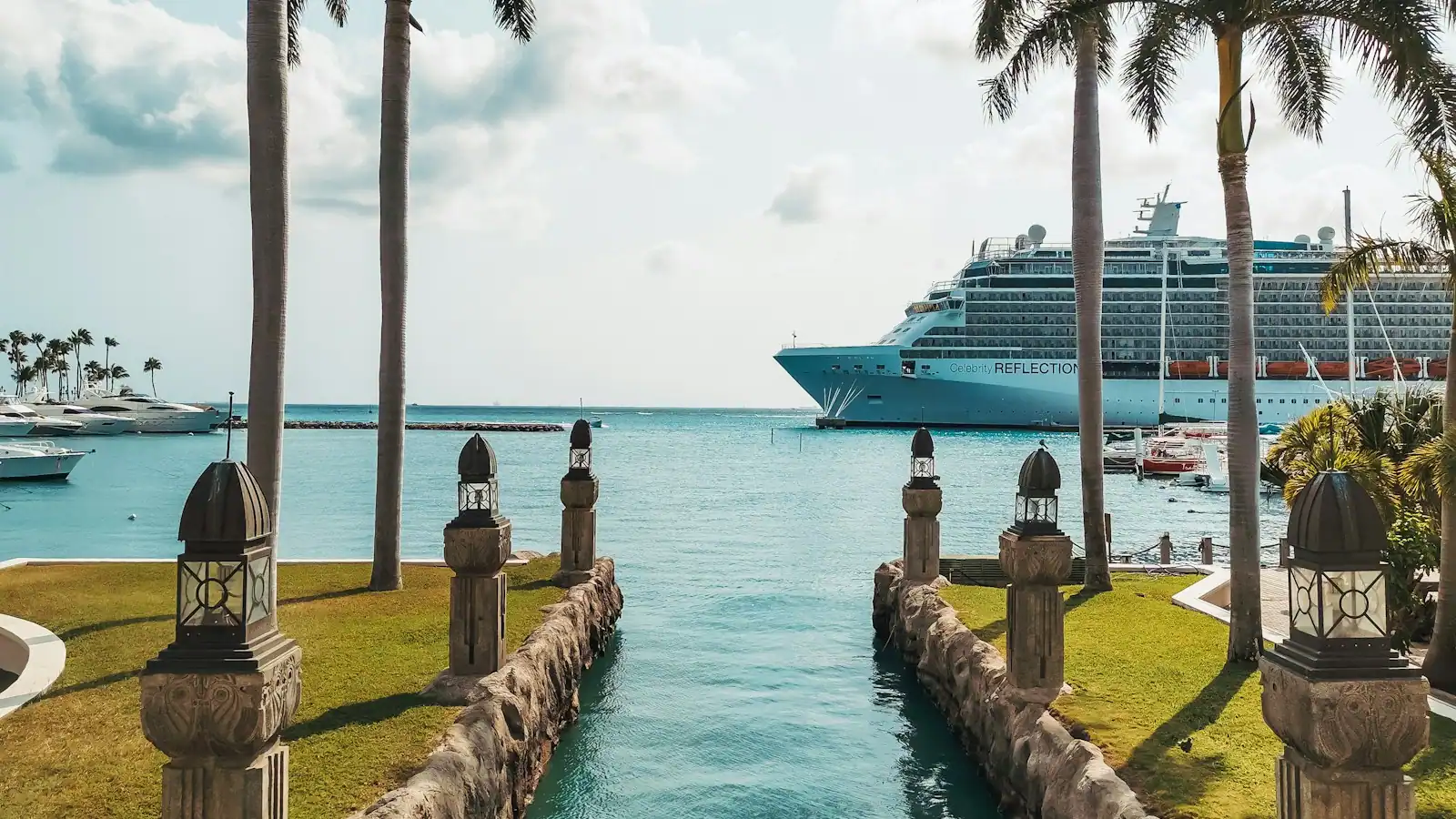
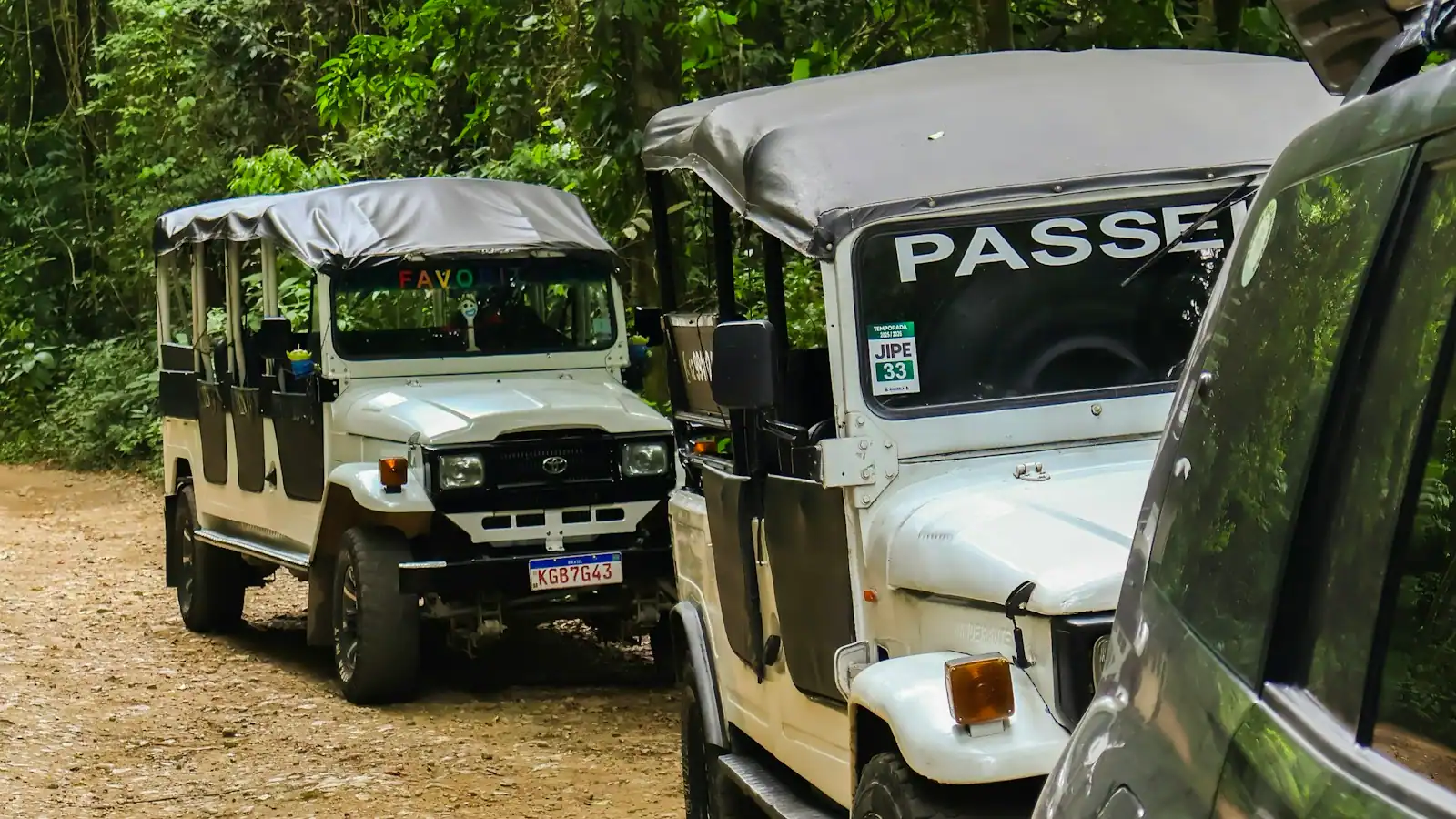
Most cruise passengers never come here, and it is the strongest argument on the island for renting a jeep.