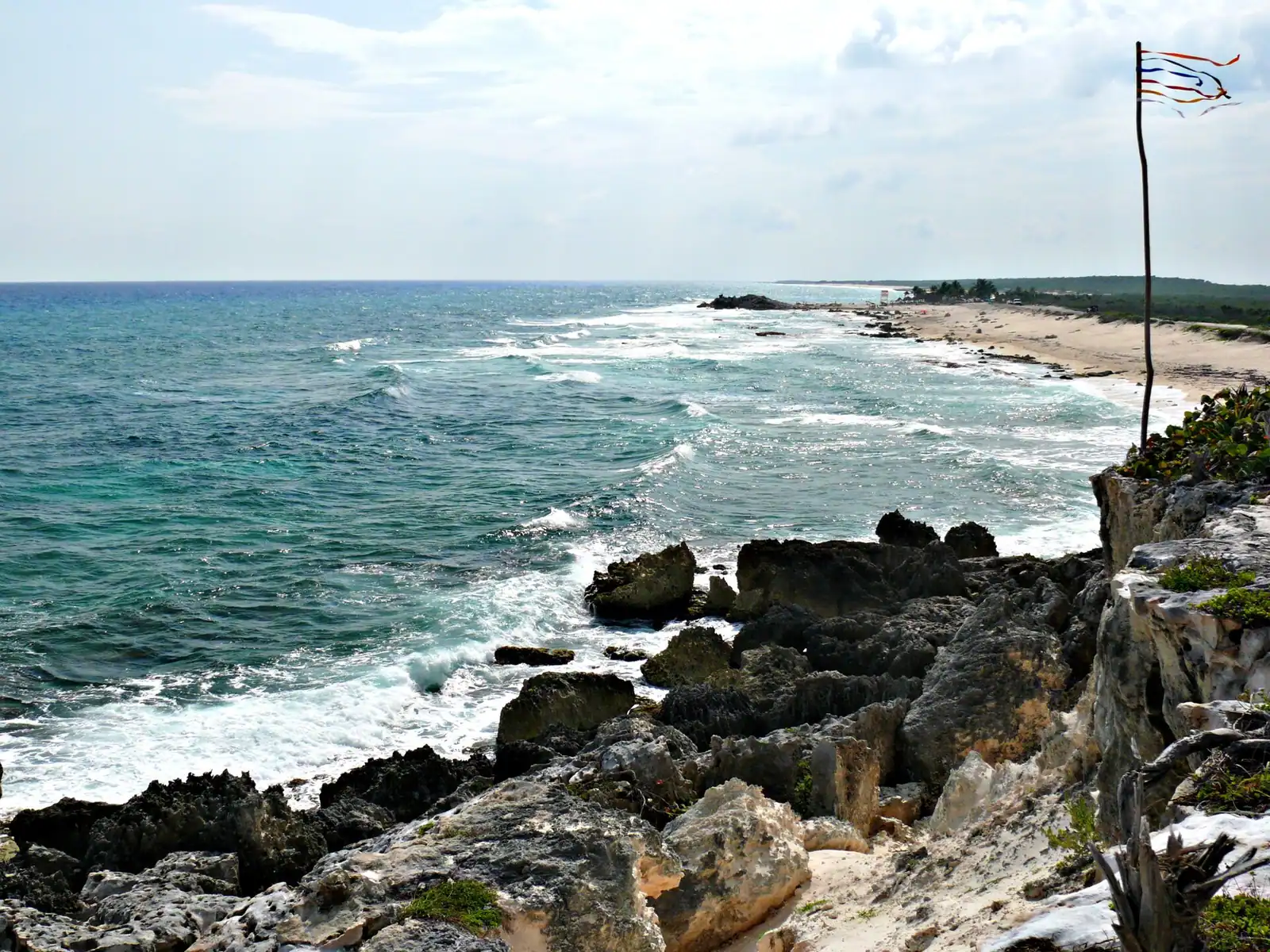
Cozumel is built out of dead reef. Push far enough south down the windward coast road and the sand gives out entirely, replaced by a black-grey pavement of limestone pitted with holes and edged like broken glass. This is ironshore: ancient coral, lifted above sea level, dried out and then dissolved into needles by ten thousand years of rain and salt spray. El Mirador is the point where the sea has cut a hole clean through a slab of it.
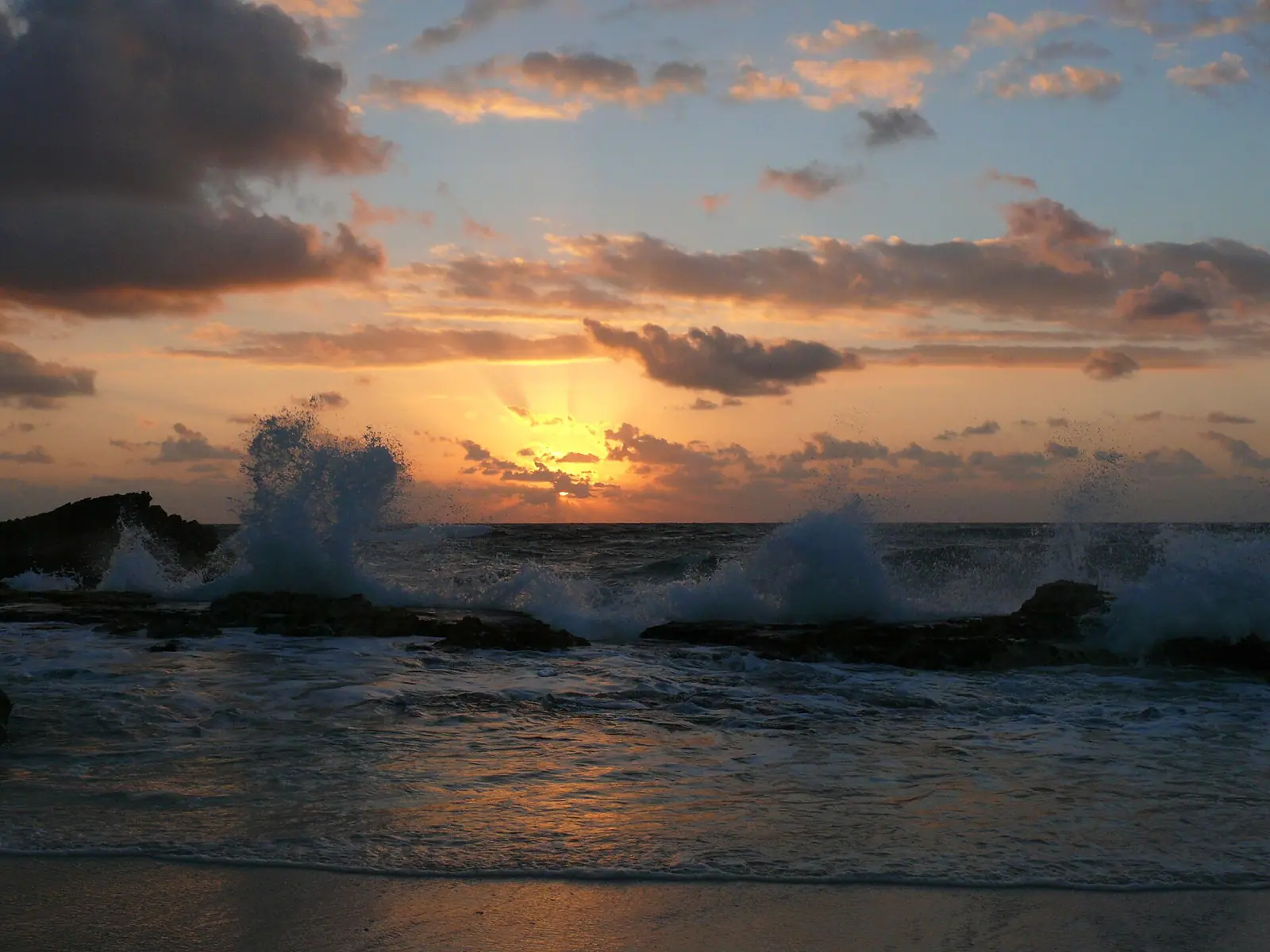
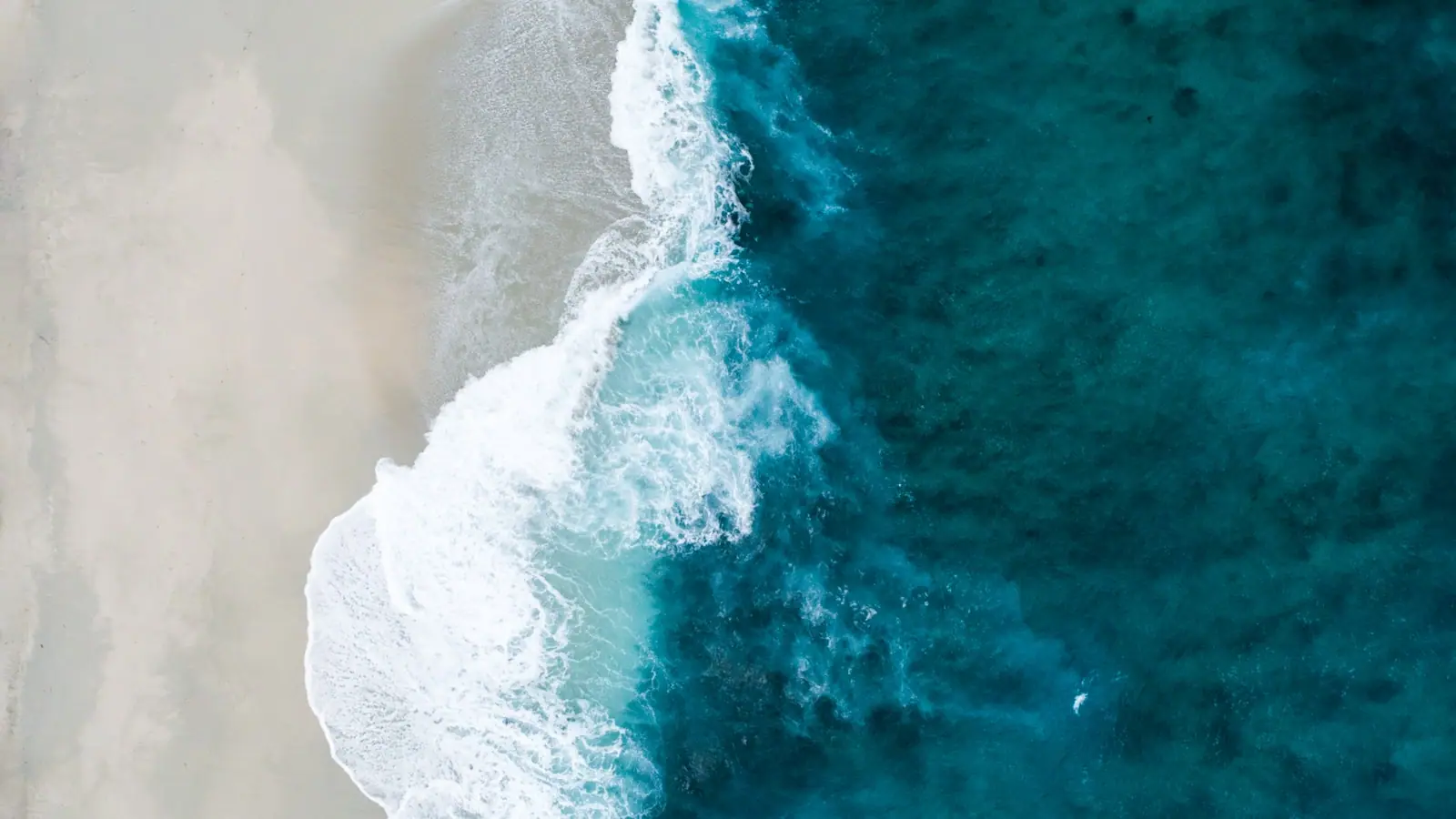
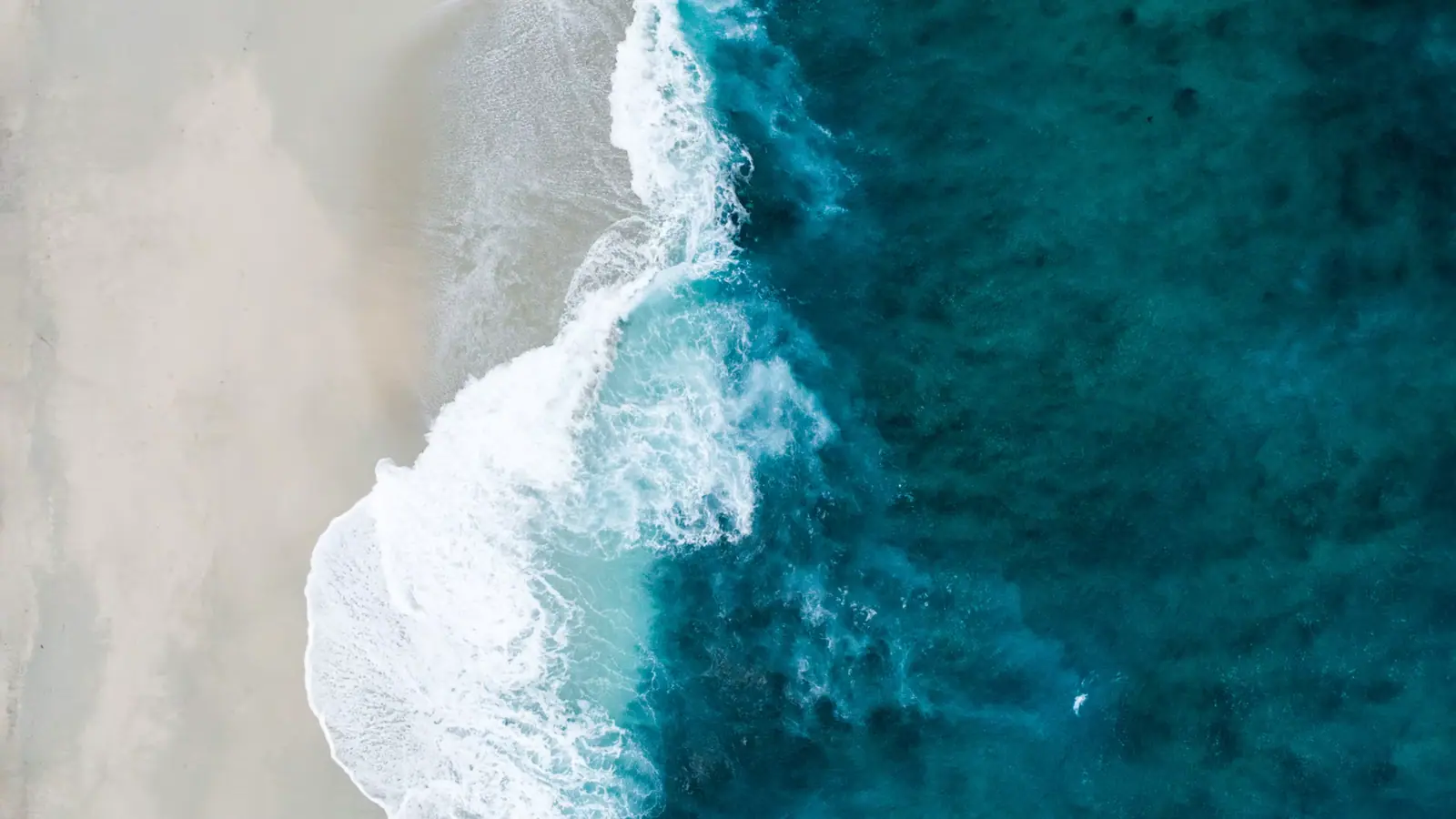
The arch is small. Nobody should drive across the island specifically to see it. What it does well is stop you on a road where there is otherwise nothing to stop for, and it does that because the sea puts on a show underneath it. Swell rolling in from open water hits the shelf, funnels into the gap, and goes up rather than forward. On a day with any size in the water, the spout through the arch is loud and drenching and worth standing near for a while.
You can climb onto the arch, and people do. It is a short scramble up unmarked rock with no handrail, no steps and no one responsible for you. The surface is grippy when dry and slick where the spray reaches; that transition is where ankles go. Wear shoes. This is the single most consistent piece of advice about the place and it is ignored by roughly everybody arriving in flip-flops off an island tour.
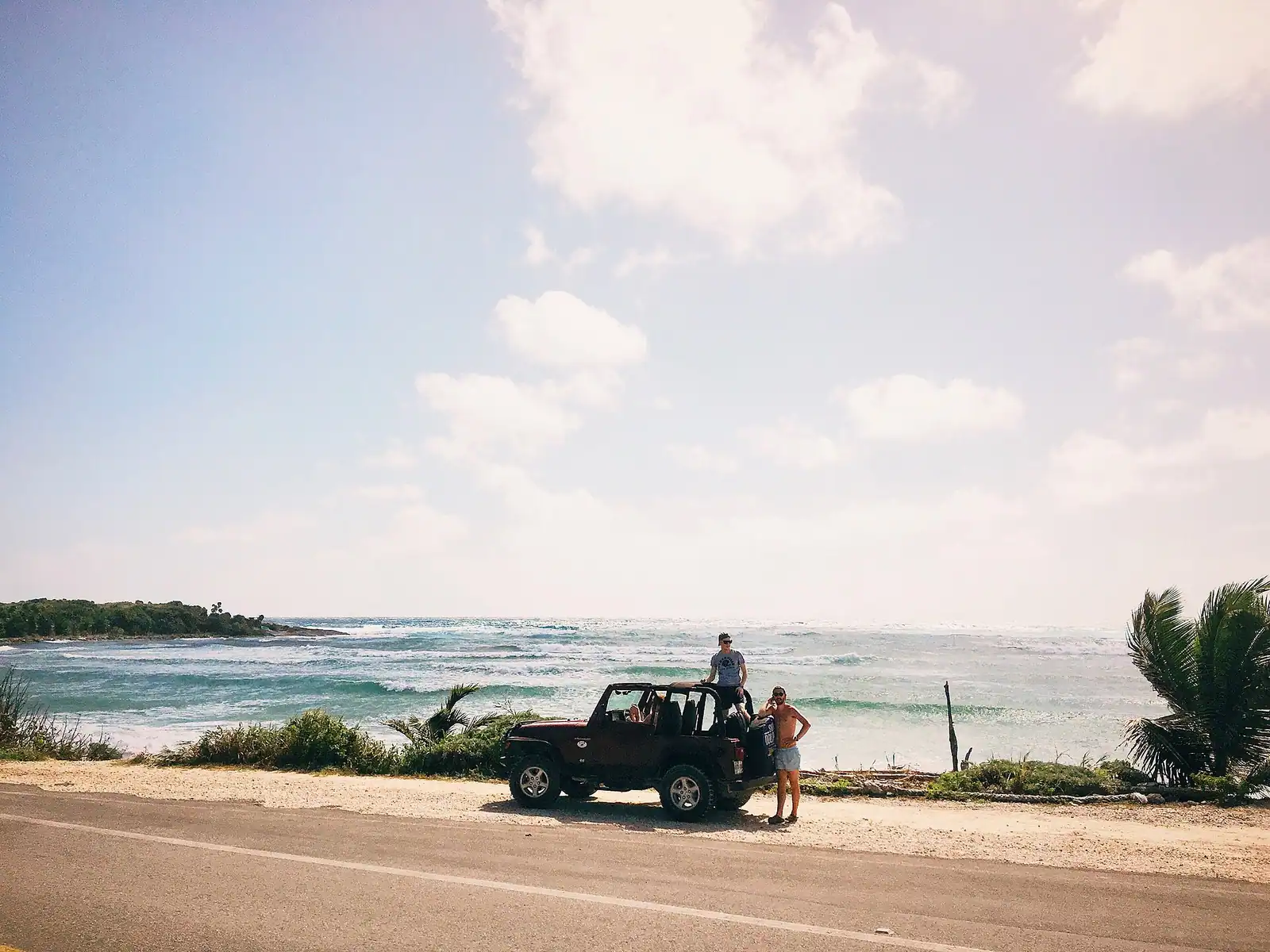
What makes El Mirador worth including in a day is that it is free, and almost nothing on Cozumel is. There is no gate, no wristband, no ticket booth and no attendant. There is a sand pull-off, a view, and sometimes a vendor with hammocks and hot sauce set up on the verge, and sometimes nobody at all.
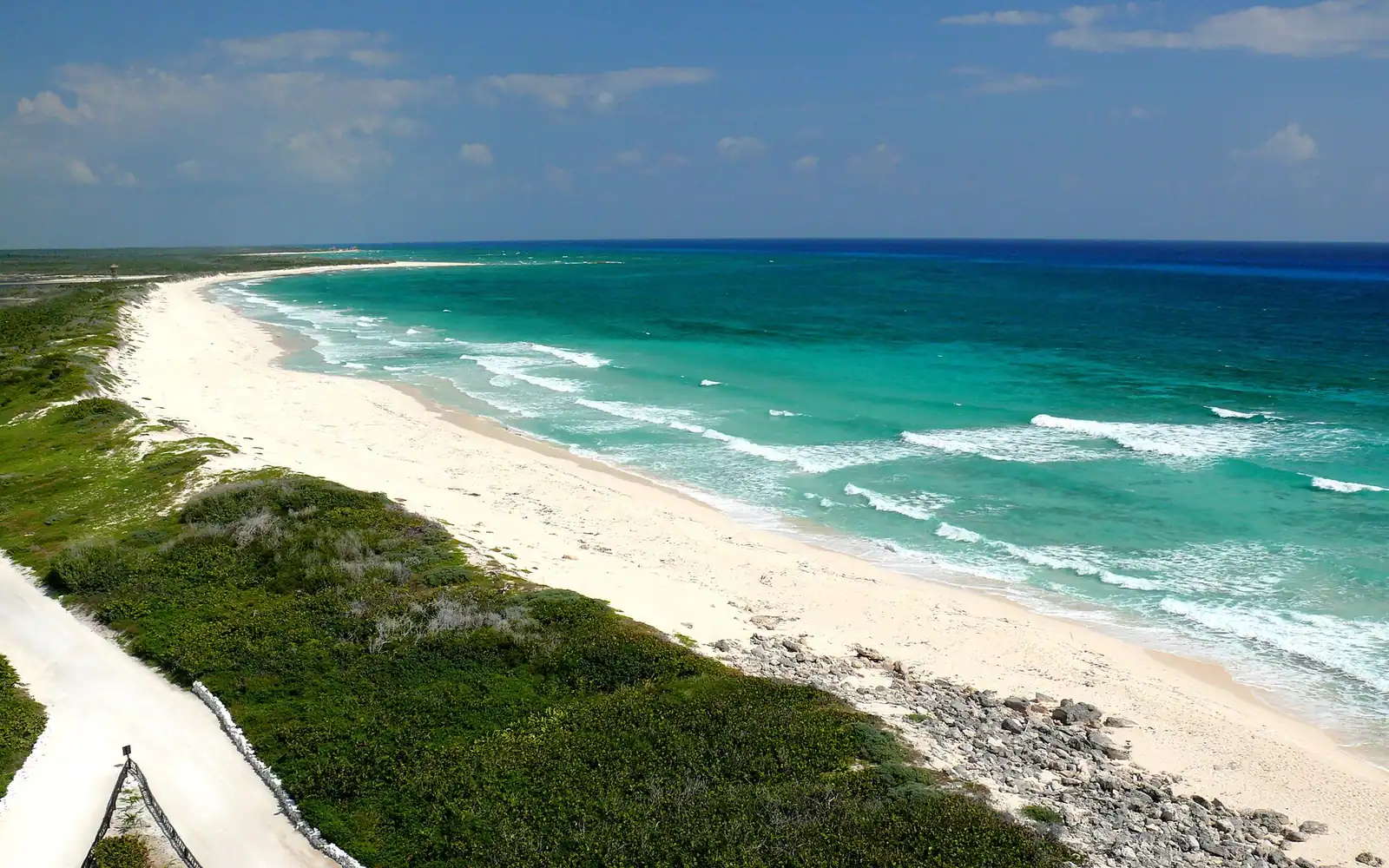
Do not plan to swim. The water below the arch runs over a shelf of the same razor rock, straight into open Caribbean, with no beach and no exit. Even where sand appears a few hundred metres either side, this is the unprotected windward coast: steep shore break, strong undertow and no lifeguard anywhere on the east side of the island. Look, get wet from the spray, and drive on.