Skip to content
Search
Menu

These go through Viator and earn us a commission. You pay the same as booking direct, and the commission did not choose the list.

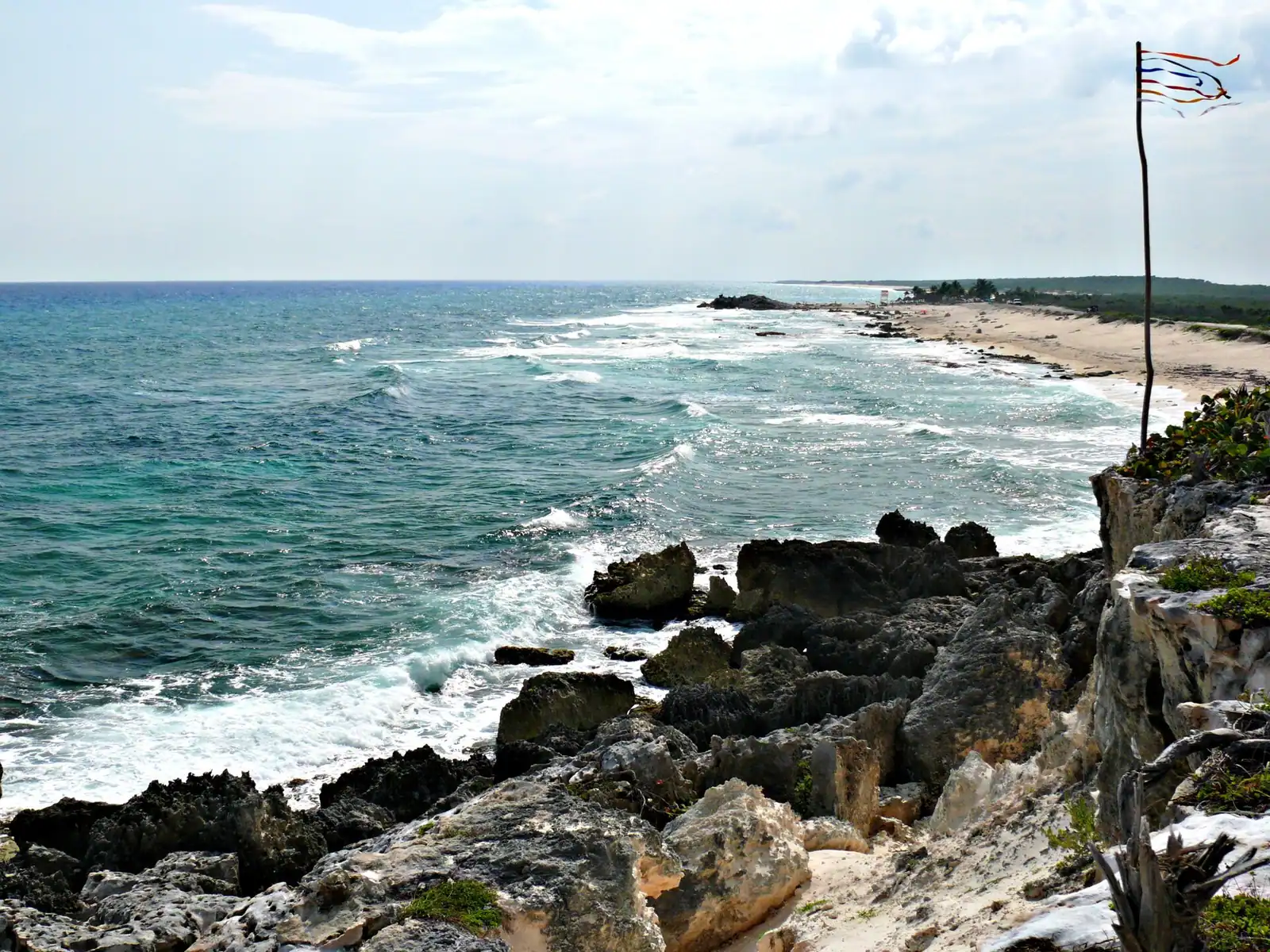
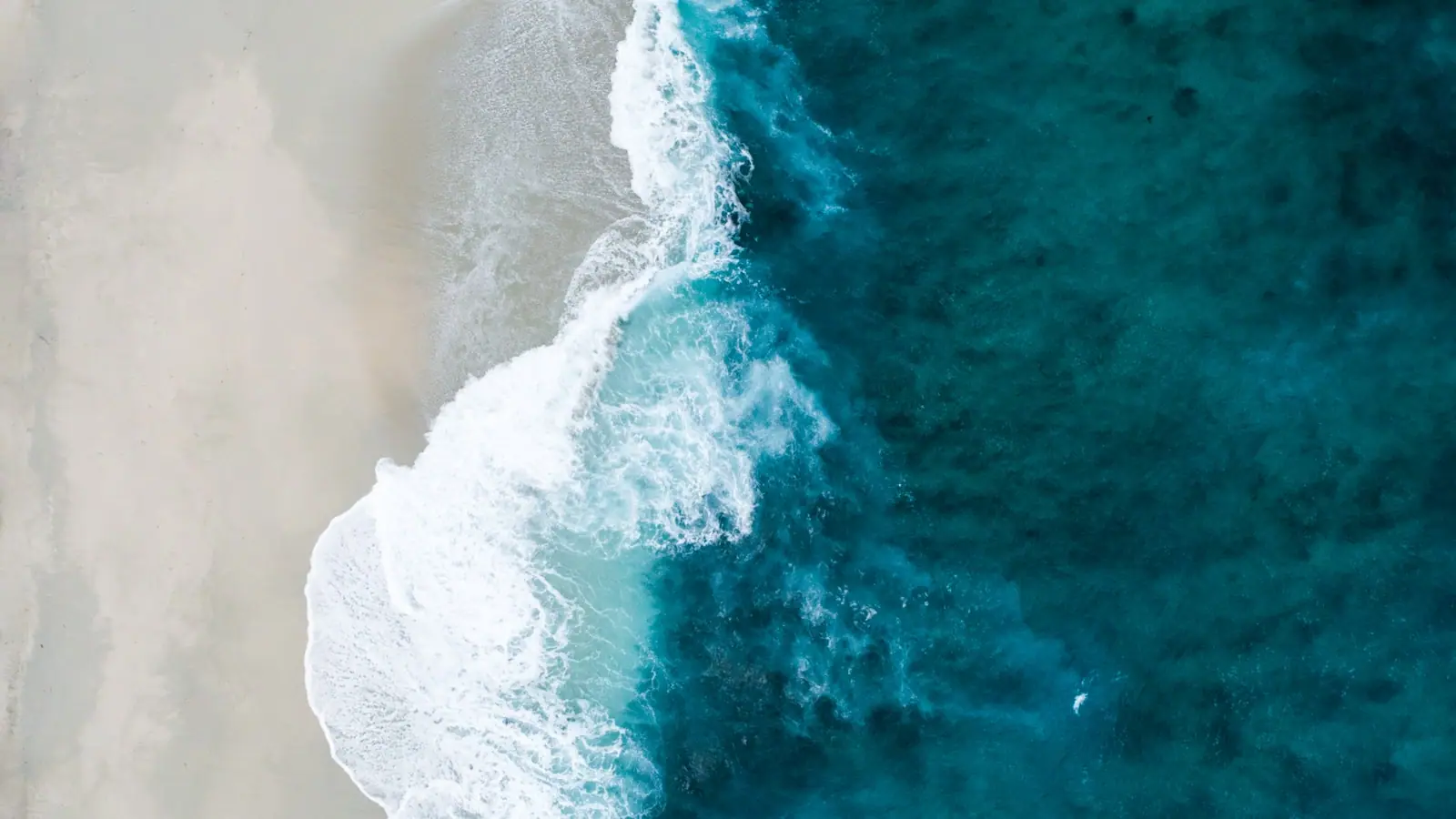
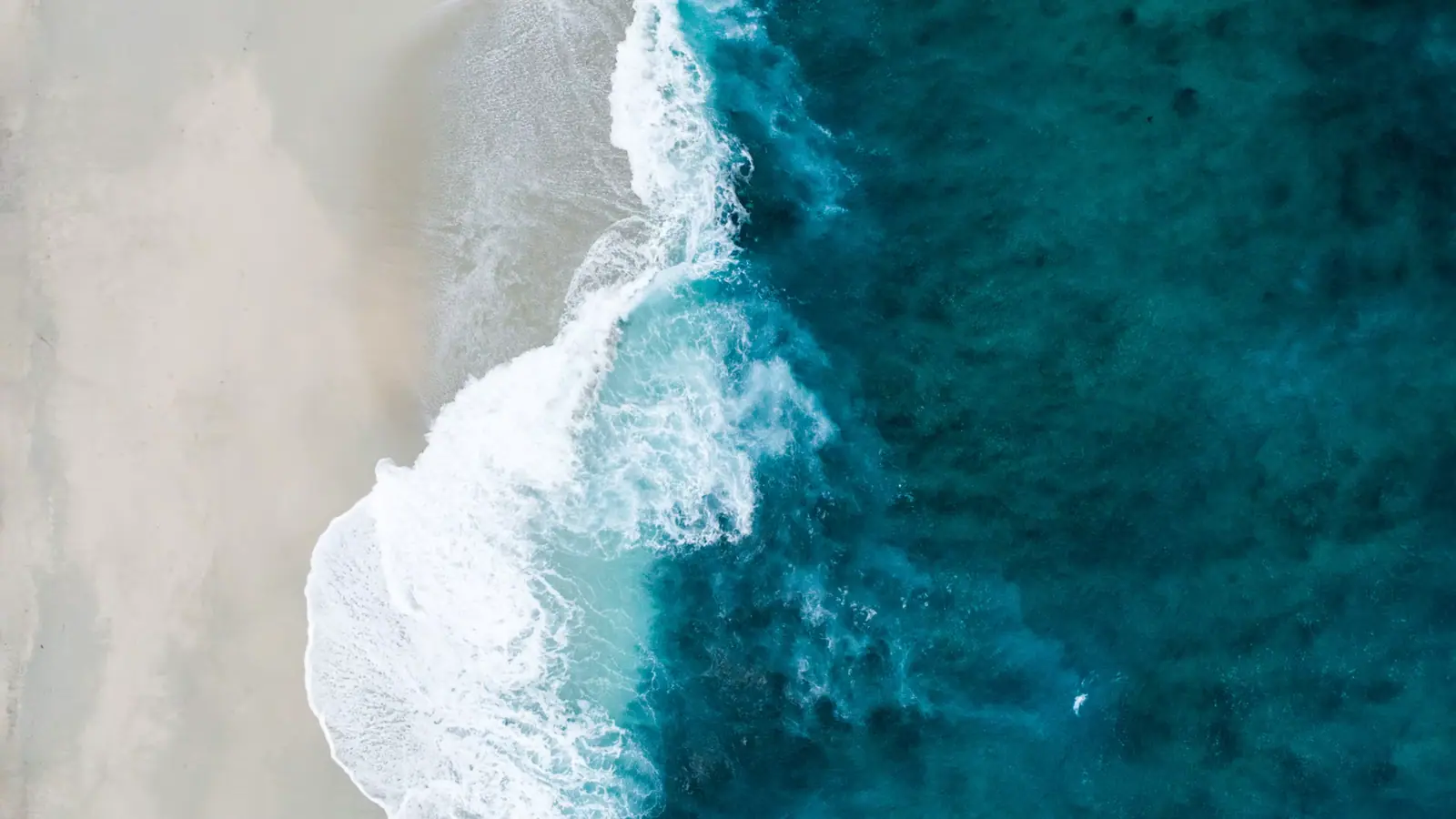
A crescent bay of coarse pale sand closed at each end by low rocky headlands
Caleb George seemoris

Beach

Playa Bonita (Punta Chiqueros)

Last updated

A headland-to-headland crescent that takes the sting out of the windward swell — the only east-coast beach locals actually swim at.

Everything else on Cozumel's windward coast is a beach you look at. Playa Bonita, in the crescent bay at Punta Chiqueros, is the exception, and the reason is geography rather than luck. Two low limestone headlands close in at either end of the cove, and between them a shallow rock shelf takes the worst of the swell before it reaches the sand. What arrives at the beach is measurably smaller than what is breaking two hundred metres either side. This is why island families drive over here on a Sunday and why it is the one east-coast beach a dive guide will name without hedging.

It is still an ocean beach. There is no barrier reef offshore, no lifeguard on any part of this coast, and no flag system anywhere. The cove is calmer than its neighbours, not calm. On a windy day, or the second and third day of a norte, the protection stops working and the same crescent turns into churning brown water with a heavy shore dump. The staff at the palapa restaurant at the back of the beach watch the sea every day of their lives and will tell you straight whether today is a swimming day. That is the assessment to trust, not the photographs.

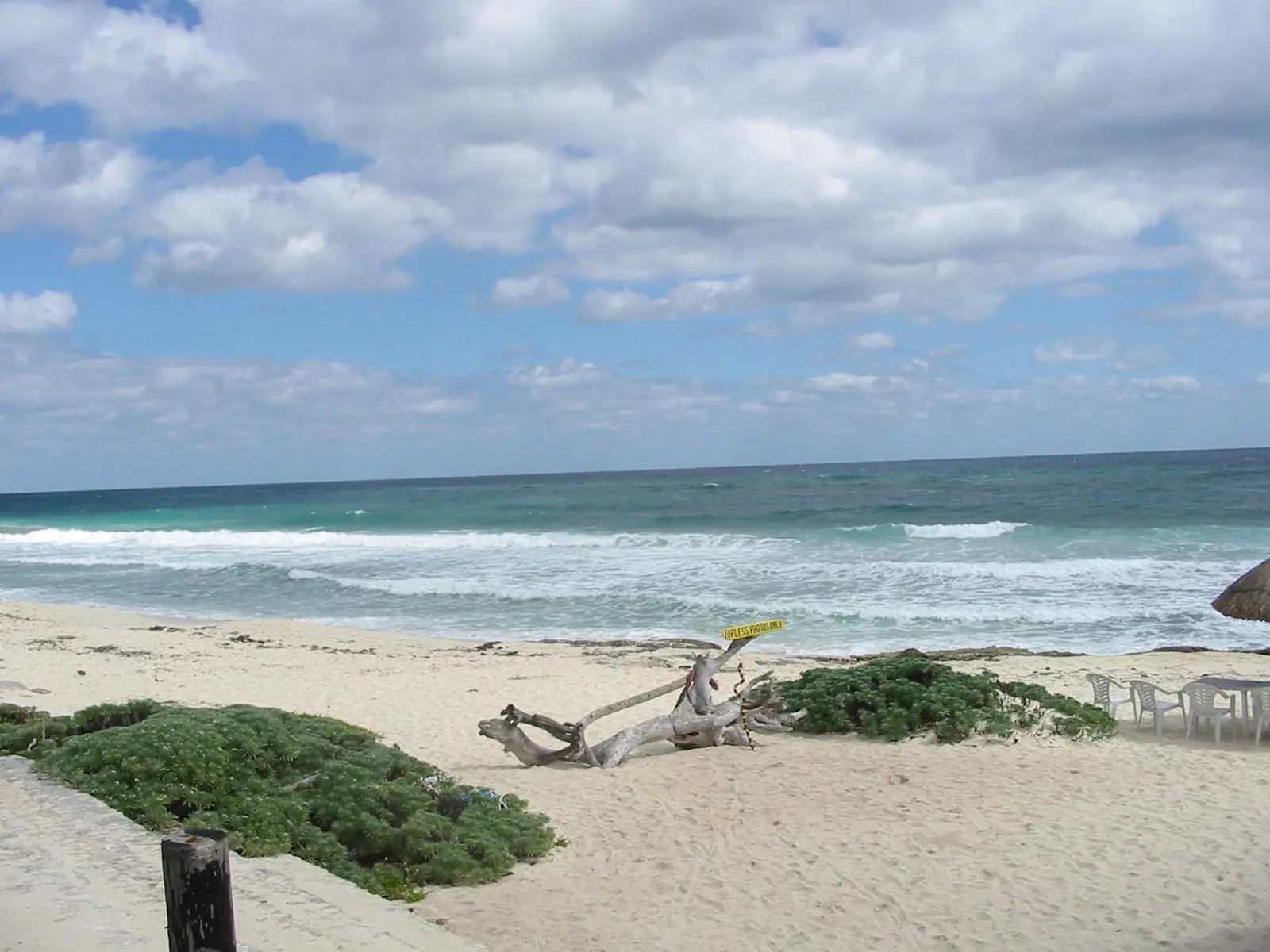
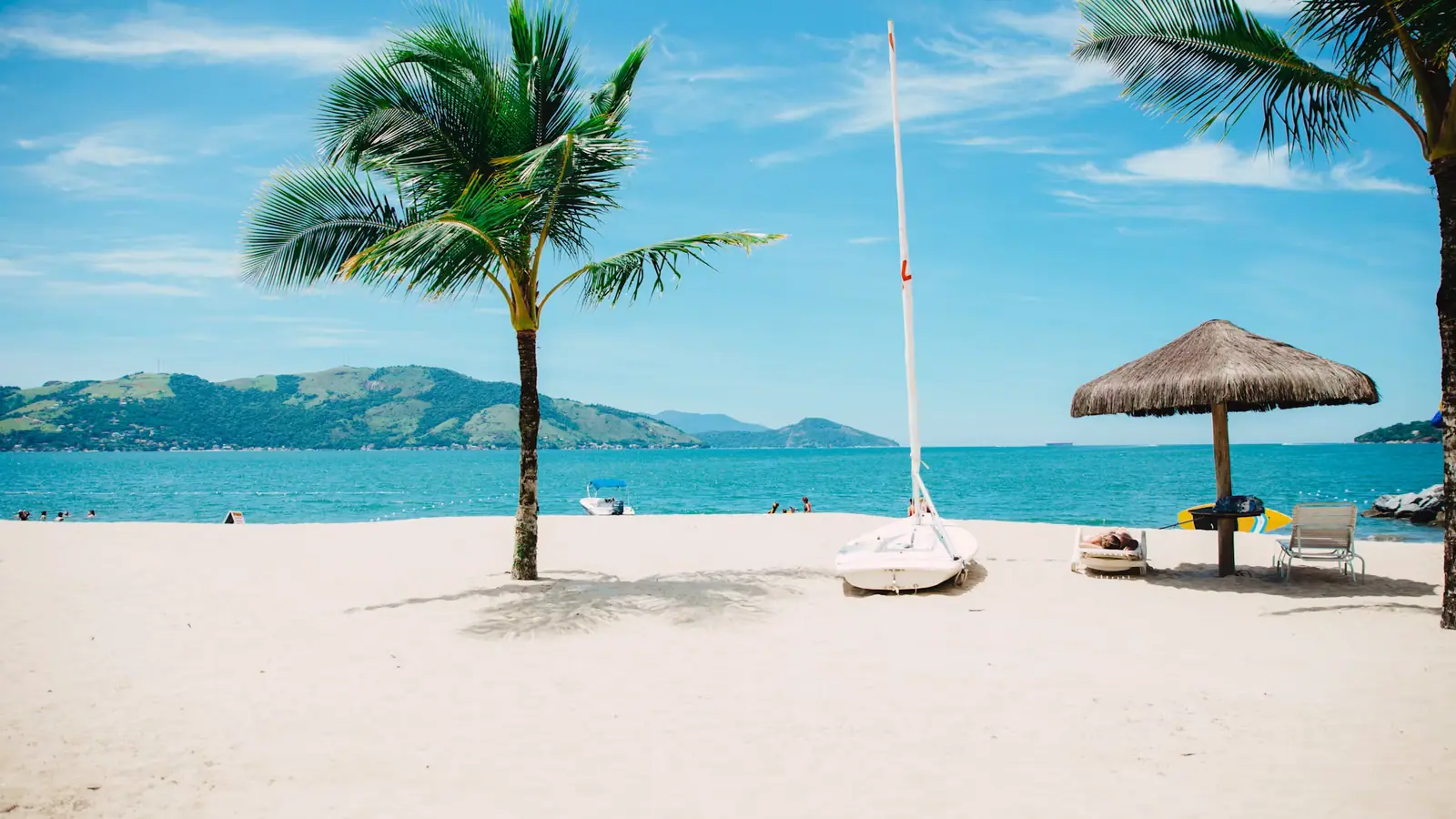
The sand is coarser and shellier than anything on the sheltered west coast — more broken coral, more small shell, occasional black volcanic-looking grains that are actually weathered limestone. It is warm underfoot by ten in the morning. Behind the sand there is a strip of sea grape and palm, a handful of thatched shade structures, and a restaurant doing whole fried fish and cold beer with its tables looking straight down the bay.

Two things make this beach genuinely different from anywhere on the leeward side. First, sargassum. Cozumel's west shore is shielded by the island itself and gets a fraction of the seaweed that buries the mainland Riviera Maya in a bad year — but the east coast catches it head on, and in a heavy season Playa Bonita can have a metre-deep windrow of it along the tideline. Second, turtles. Cozumel's windward beaches are working nesting grounds for loggerheads and green turtles from roughly May into October, the nests are marked and monitored by volunteers, and the rules around them are not decorative.

Getting there and parking

Cross the island on the Carretera Transversal, turn south at the coast, and follow the Carretera Perimetral for about twenty minutes past Punta Morena and Coconuts. The cove is signed and visible from the road — it is the first thing on this coast that looks like a conventional beach.

From the Punta Sur park gate in the other direction, it is roughly ten to fifteen minutes north, past El Mirador.

From the southern cruise piers allow around fifty minutes each way. From San Miguel, about forty.

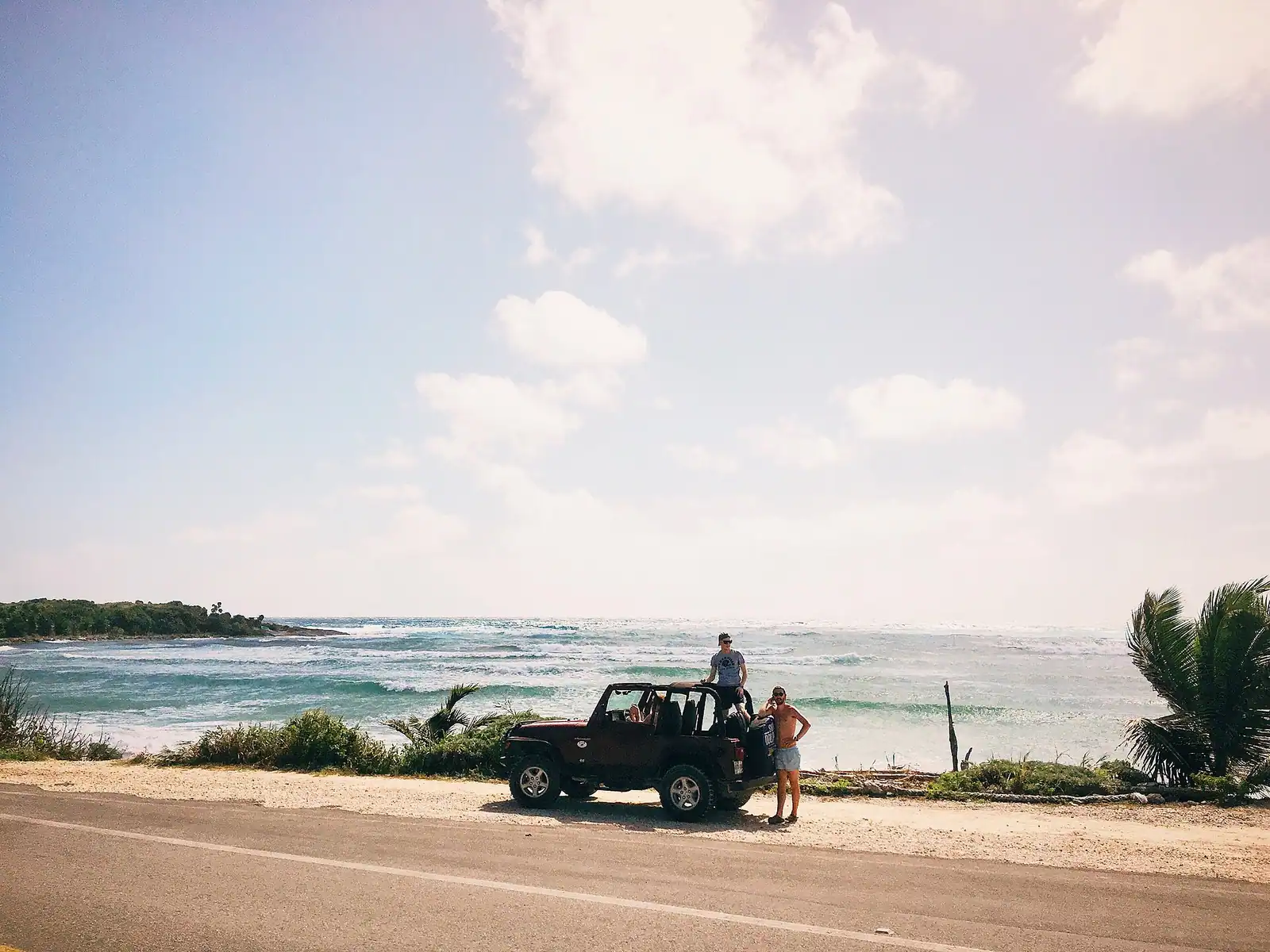
Parking is an informal sand pull-off beside the highway. After heavy rain some of these pull-offs hold a two-wheel-drive car, so choose firm ground. There is no attendant and no security, so an open-top jeep should have nothing in it.

Taxis will bring you here on a fixed zone fare agreed in advance, but they do not patrol this coast for return fares. Settle the wait or the pickup with your driver before they leave, or drive yourself.

Reading the water before you get in

The protection at Punta Chiqueros comes from the headlands and the rock shelf, and it is conditional. Judge it on the day rather than on a reputation.

Signs it is a swimming day. The water inside the crescent is green-blue and you can see sand through it. The wave arriving at the beach is smaller than the line breaking off the headlands. There are Cozumeleños in the water, especially families. The restaurant staff say yes.

Signs it is not. Brown or churned water inside the bay. Waves collapsing onto the sand rather than running up it. Foam streaks running out through the middle of the cove — that is water leaving, and it is the beginning of a rip. Wind blowing hard from the east or north-east for a second consecutive day. No locals in the water on a warm weekend.

There are no lifeguards on Cozumel's east coast, no flag system and no rescue equipment on the beach. The nearest hospital is in San Miguel, on the far side of the island, which is forty minutes away in a car you would have to drive yourself.

Even on a good day, keep children within arm's reach, stay inside the line between the two headlands, and do not swim out to look at the rock shelf. The water on the far side of it is the open coast.
Sargassum, and the comparison nobody makes for you

The single most useful thing to understand about seaweed on Cozumel is that the island is not one place. Sargassum drifts in from the east, and the island's own bulk shields its leeward shore. So in a season when Playa del Carmen and Tulum are running excavators along the sand, the beach clubs on Cozumel's west coast can be broadly clear. That asymmetry is a real reason to stay on the island rather than the mainland in a bad year.

The flip side is this beach. Playa Bonita faces the drift with nothing in front of it, and in a heavy influx the tideline here carries a deep, brown, strongly smelling windrow of weed that no one is going to clear for you. It comes and goes with the wind over days rather than weeks.

There is no reliable annual calendar for it. Influxes have been worst in the late spring and summer months in recent years, but the pattern has shifted repeatedly and any specific month quoted as safe is a guess. Check recent photographs or a current sargassum monitoring map before you commit a day to the east coast, and keep a west-side beach club as the fallback.

Sargassum out at sea is not pollution — it is floating habitat, full of juvenile fish and turtles. It is only a problem once it lands and starts to rot. Walking through it is unpleasant rather than dangerous, though a deep old pile is worth staying out of.

Turtle nesting on the windward beaches

Cozumel's east coast beaches, including this one, are nesting grounds for loggerhead and green turtles. The season runs broadly from May into October, with hatchlings emerging through the late summer and autumn. Local conservation volunteers walk these beaches, find the nests and mark them with stakes and tape.

What that means for a visitor is simple and non-negotiable. Do not walk inside a marked enclosure, do not sit on one, and do not move the stakes for a photograph. Do not dig holes in the sand and leave them — an open hole is a trap for a nesting female and for hatchlings heading down the beach. Fill them in before you leave. Flatten sandcastles.

If you are on the coast after dark during the season, keep white light off the sand entirely. Hatchlings orient towards the brightest horizon, and a phone torch is enough to send a whole nest inland. Do not photograph a nesting turtle with flash, and do not surround one.

Should you find a turtle on the beach, hatching or nesting, the correct response is to back away and give it room. If something is clearly wrong, tell the restaurant staff rather than intervening; they know who to call and you do not.

What is here, and what is not

  • A palapa restaurant at the back of the sand doing whole fried fish, ceviche, guacamole and cold beer, with tables looking down the bay. It is the reason there are restrooms and shade at all.
  • Thatched shade on the sand, and some sun loungers. Expect an informal arrangement where using them is tied to eating or drinking.
  • Restrooms exist and are basic.
  • No lifeguard, no rentals, no showers, no shop. Bring your own water, sunscreen and anything you need for children.
  • Pay in pesos. The east coast dollar rate is poor and card readers here depend on a mobile signal that comes and goes.
  • Parking is a sand pull-off beside the road. Nothing visible left in an open jeep.
  • Shoes rather than flip-flops if you plan to walk to either headland; the rock at both ends is sharp fossil reef.

Cruise day or overnight

Overnight visitors should build a day around this. Cross the island mid-morning on the transversal, come south down the coast with a stop at Coconuts for the view, and settle here for a long lunch and a swim. It is the single best argument for renting a jeep on Cozumel, because there is no other practical way to spend an unhurried afternoon on this coast.

Cruise passengers get a harder sum. Playa Bonita is around fifty minutes from the southern piers, so a meaningful stop costs you close to three hours of a six-to-eight-hour call. That is defensible if the east coast is the reason you booked Cozumel, and indefensible if you also wanted to dive, because the two do not fit in one call. If you do come, come in a rented jeep or an organised island tour. Taxis do not work this coast speculatively, and standing on an empty road at three in the afternoon hoping one appears is how people miss ships.

For a swim on a cruise day with no drama, the leeward beach clubs south of the piers are twenty minutes away and the water there is calm every day of the year. That is the honest comparison.

Tours that visit Playa Bonita

Operators run these trips past Playa Bonita, or stop there as part of a longer route. We list what the booking data supports — not everything that mentions the name.

These go through Viator and earn us a commission. You pay the same as booking direct, and the commission did not choose the list.

Shared departurespriced per seat, best value for one or two

Private and small-group optionsoften cheaper per head for a family or a group of six

  • El Ausente at El Cielo
    Free cancellationPrivate tour

    Low Last Minute Supplier Cancellation Rate

    Exclusive Private Boat to El Cielo (opens in a new tab)

    70 reviews

    Indulge in the exclusivity of a Private Boat tour to Cozumel’s most breathtaking destinations: El Cielo and the world-famous coral reefs…

    4 hours

    Prices checked

    from $419.99
  • Mr Sanchos Romantic Day Beach Pass for Two
    Free cancellationSmall group

    Short term availability

    Mr Sanchos Romantic Day Beach Pass for Two (opens in a new tab)

    455 reviews

    Already married? We have just what you need. Just friends? You can join along too. Come and enjoy. This pass includes the All Inclusive…

    1 hour

    Prices checked

    from $295

Near Playa Bonita

Straight-line distances, so allow more on the road — the island is long and has one main parkway.

  • View from a low coastal cliff over open ocean with surf lines breaking offshore
    Free

    Viewpoint

    Coconuts Bar & Grill

    A flight of steps up a limestone bluff to the longest view on a famously flat island, and a shore you look at rather than swim in.

    0.5–1.5 hoursFree to climb up and look. You pay only for food and drink, at prices above what the same order costs in town.3.5 mi away

  • A wave-cut natural arch in dark pitted limestone with surf driving through the gap
    Free

    Viewpoint

    El Mirador

    A wave-cut arch of fossil reef beside the coast road, free to climb, sharp underfoot, and about five minutes long.

    10–30 minutesFree, with no gate, no ticket and no parking charge — which on Cozumel is unusual enough to be worth saying.2.7 mi away

  • Heavy surf breaking on an empty, coarse-sand windward beach with low scrub behind it
    Free

    Dining district

    Mezcalitos Beach Bar

    The first thing you reach after crossing the island: a palapa bar on an ocean shore that looks swimmable and is not.

    1–2 hoursNo admission charge. You pay for what you eat and drink, and east-coast prices sit above town prices.6.5 mi away

  • Heavy surf breaking on an empty, steep windward beach under a bright sky
    Free

    Beach

    Punta Morena

    Open Caribbean, no reef in front of it, no lifeguard on the coast — and the best two hours on the island if you are staying the night.

    1–3 hoursFree. The beach is open shoreline; you pay only for what you eat and drink.8.6 mi away

Playa Bonita: common questions

Can you swim at Playa Bonita in Cozumel?

On the right day, yes — this is the one beach on Cozumel's east coast where that is true. Two headlands and a shallow rock shelf close in the cove at Punta Chiqueros and take much of the swell out before it reaches the sand, which is why island families use it. It is still an open-ocean beach with no lifeguard, no flag system and no reef offshore. Check the water before you go in, ask the restaurant staff, and stay inside the line between the headlands.

Is there sargassum at Playa Bonita?

Sometimes, and more than on the west coast. Cozumel's leeward shore is shielded by the island and gets far less sargassum than the mainland Riviera Maya, which is one of the island's genuine advantages. The east coast has no such shelter and catches the weed head on, so in a heavy season Playa Bonita can have a deep windrow along the tideline. It clears and returns with the wind. If seaweed would ruin your day, the west-side beach clubs are the safer bet.

How do you get to Playa Bonita from the cruise port?

Cross the island on the Carretera Transversal, turn south at the coast and follow the Carretera Perimetral past Punta Morena and Coconuts. From Puerta Maya or the International Pier it is about fifty minutes each way. Come in a rented jeep or on an organised east-side tour rather than a one-way taxi: cabs do not cruise this coast for return fares, and an unarranged pickup at three in the afternoon is how people miss all-aboard.

Are there turtles on Cozumel's east coast beaches?

Yes. The windward beaches, Playa Bonita among them, are nesting grounds for loggerhead and green turtles from roughly May into October, and volunteers mark and monitor the nests. Stay outside marked enclosures, fill in any hole you dig, flatten sandcastles before you leave, and keep white light off the sand after dark during the season — hatchlings orient towards the brightest horizon, and a phone torch is enough to send a nest the wrong way.

Is there food at Playa Bonita?

There is a palapa restaurant at the back of the sand doing whole fried fish, ceviche, guacamole and cold beer, with tables facing down the bay. It is also the reason there are restrooms and shade here at all, so buying lunch is the expected trade for using them. It runs from late morning into the afternoon and closes well before dusk, like everything on this coast. Bring pesos in cash.