Skip to content
Search
Menu

These go through Viator and earn us a commission. You pay the same as booking direct, and the commission did not choose the list.

Grey weather and wind-driven surf breaking against the limestone shoreline on Cozumel's east coast

Things to Do

What to Do in Cozumel When the Weather Turns

Last updated

Rain rarely stops anything in Cozumel. Wind does. What to do when a norte closes the port, plus the island's short but real indoor list for a wet day.

The premise of most rainy-day pages does not apply here, so start by replacing it. On Cozumel, rain is almost never what ruins a day. Wind is.

Wet-season rain, roughly May to October, arrives as a heavy 30 to 60 minute afternoon downpour and then stops. It does not cancel diving, because you are already wet and because underwater visibility on this island is set by current and swell rather than by what is falling out of the sky. It does not close the beach clubs. It rarely lasts long enough to reorganise a day around. The correct response to a Cozumel downpour is usually a long lunch.

What genuinely cancels things is a norte: a winter cold front, most common November through March, that pushes hard north winds down the Yucatán channel. When one arrives, the harbourmaster closes the port to recreational craft. That means no dive boats, no snorkel trips, no catamarans, no El Cielo, and sometimes no Playa del Carmen ferry. Closures typically run one to three days and they are announced early in the morning, so your shop will usually call before you have finished breakfast. The second thing that shuts boats down, in any season, is lightning; an electrical storm keeps everyone on shore regardless of the wind.

Here is the honest part. Cozumel's indoor inventory is thin. There is no aquarium, no large museum complex, no cluster of galleries, no shopping mall worth an afternoon. What exists is a small and genuinely good island museum on the malecón, a scale-model park south of town, a botanical garden, the market streets, a handful of tastings and classes, and a town that is perfectly pleasant to walk around in warm rain. If you come expecting a wet-weather programme, you will be disappointed. If you come with a plan, a blown-out day here is easy.

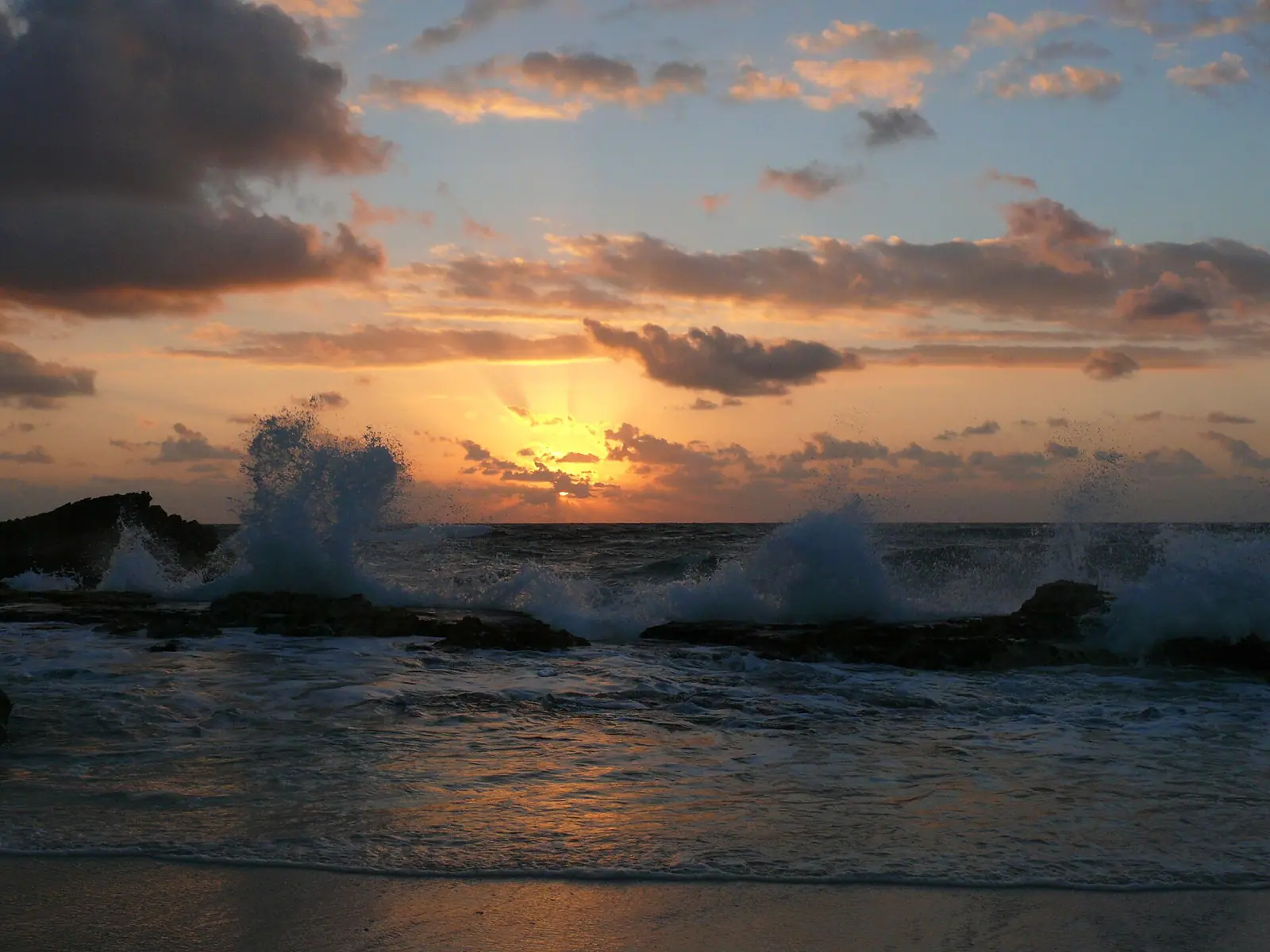
The two best answers to a closed port are counterintuitive and both worth knowing. The first is to go east. A norte turns the windward coast into something spectacular: real swell hitting ironshore, spray over the road, the beach bars half empty and the whole coast doing what it is shaped to do. It is the single best day to drive it, provided you are there to look rather than swim. The second, if you are a diver, is to use the day for theory. Nitrox certification, the classroom portion of a course, or a refresher session are all things dive shops here will happily run when the boats are tied up, and they turn a lost day into a qualification you take home.
Our picks

The ones we would book

  • Editor's Pick

    The best thing to do on a blown-out day

    Why we chose it

    Drive east. A norte turns the windward coast into heavy swell against ironshore with spray coming over the road, the beach bars half empty and El Mirador at its most dramatic. It is the day that coast was made for, provided you are there to look. Do not swim; the undertow is at its worst in wind.

  • Best for Families

    Indoors, and better than it sounds

    Why we chose it

    Discover Mexico Park's scale models of the country's landmarks, plus a film and tastings for the adults, hold children's attention for a couple of hours and keep most of the day under cover. Pair it with the island museum on the malecón and lunch in the market streets and a grey day is accounted for.

  • Best Value

    Cheapest wet afternoon on the island

    Why we chose it

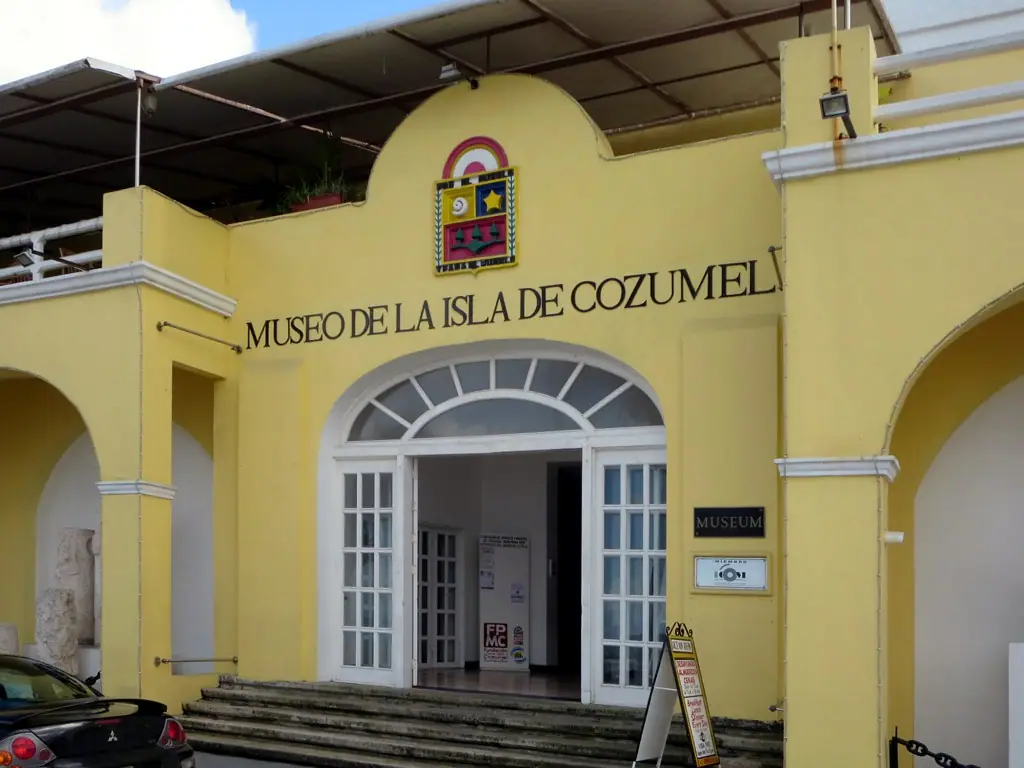
    The Museo de la Isla de Cozumel on the malecón for a small admission, then tacos three blocks inland for a few dollars a plate. Air conditioning, the island's reef ecology and hurricane history, and a lunch at local prices. It fills the exact gap a cancelled boat leaves.

  • Best for Beginners

    Turn a closed port into a qualification

    Why we chose it

    Dive shops here are entirely used to nortes and will run the classroom portion of a Nitrox, advanced or refresher course when the boats are tied up. You lose a day of diving and gain a certification, which is a better trade than a refund and a morning of staring at the wind.

The indoor list, which is short and honest

Museo de la Isla de Cozumel, on the malecón in San Miguel. Small, air-conditioned and better than it looks from the street: the island's reef ecology, its Maya history, its hurricane record and the story of how the town rebuilt. An hour and a half, more if you read everything. The single most useful wet-weather building on the island.

Discover Mexico Park, south of town, which does scale models of Mexico's major landmarks alongside a film, a craft collection and chocolate and tequila tastings. Partly covered, and it works considerably better with children and on a grey day than the description suggests.

Chankanaab's botanical garden and shaded paths are pleasant in light rain, and the park is at its quietest when the weather is poor and the ships have cancelled their tenders. The snorkelling is less appealing in wind, but the gardens and the replica structures are not.

Tastings and classes. Tequila and mezcal tastings, chocolate demonstrations and cooking classes all run indoors and all exist here in reasonable numbers. Book on the day; availability is usually fine.

The market streets, three or four blocks inland from the malecón around Avenida 10, 15 and 30 and Calle Salas. Covered stalls, a municipal market and taquerías with plastic chairs at a fraction of waterfront pricing. Warm rain and a plate of tacos is not a compromise.

A spa or a massage, of which there are many along the southern hotel strip and in town.

The hotel pool. On an 85-degree afternoon with warm rain falling, this is a genuinely good answer and not a defeat.

The plan for a closed-port day

When to go

You will usually know by 7am. Here is how to spend the day rather than mourn it.

Morning: go east. Cross on the Carretera Transversal, about twenty minutes from San Miguel, and turn onto the windward coast. A norte makes the east side extraordinary — heavy swell against ironshore, spray coming over the road, the limestone arch at El Mirador with real sea behind it. Stop at a beach bar at Punta Morena or Chen Río. Do not go in the water; on a wind day the undertow there is at its most dangerous and there are no lifeguards.

Or: morning at San Gervasio. The island's Maya site is inland, shaded by low forest, and perfectly good in intermittent rain. Go early, take repellent, and bring cash.

Midday: eat inland. The market streets, not the malecón.

Afternoon: the museum, or a tasting, or theory. If you dive, ask your shop about running the classroom portion of a Nitrox or advanced course. Shops on this island are used to blown-out days and will usually put a day to good use rather than refund it and shrug.

Evening: the town. Ships cancel or leave early in bad weather, which makes San Miguel unusually quiet. The main square and the malecón are yours.

And rebook properly. If your trip has a spare day, move the dive to it now rather than at the end. Closures often run two days, not one.

Diving and snorkelling when it is raining

Local tips

Divers, read this before you cancel anything.

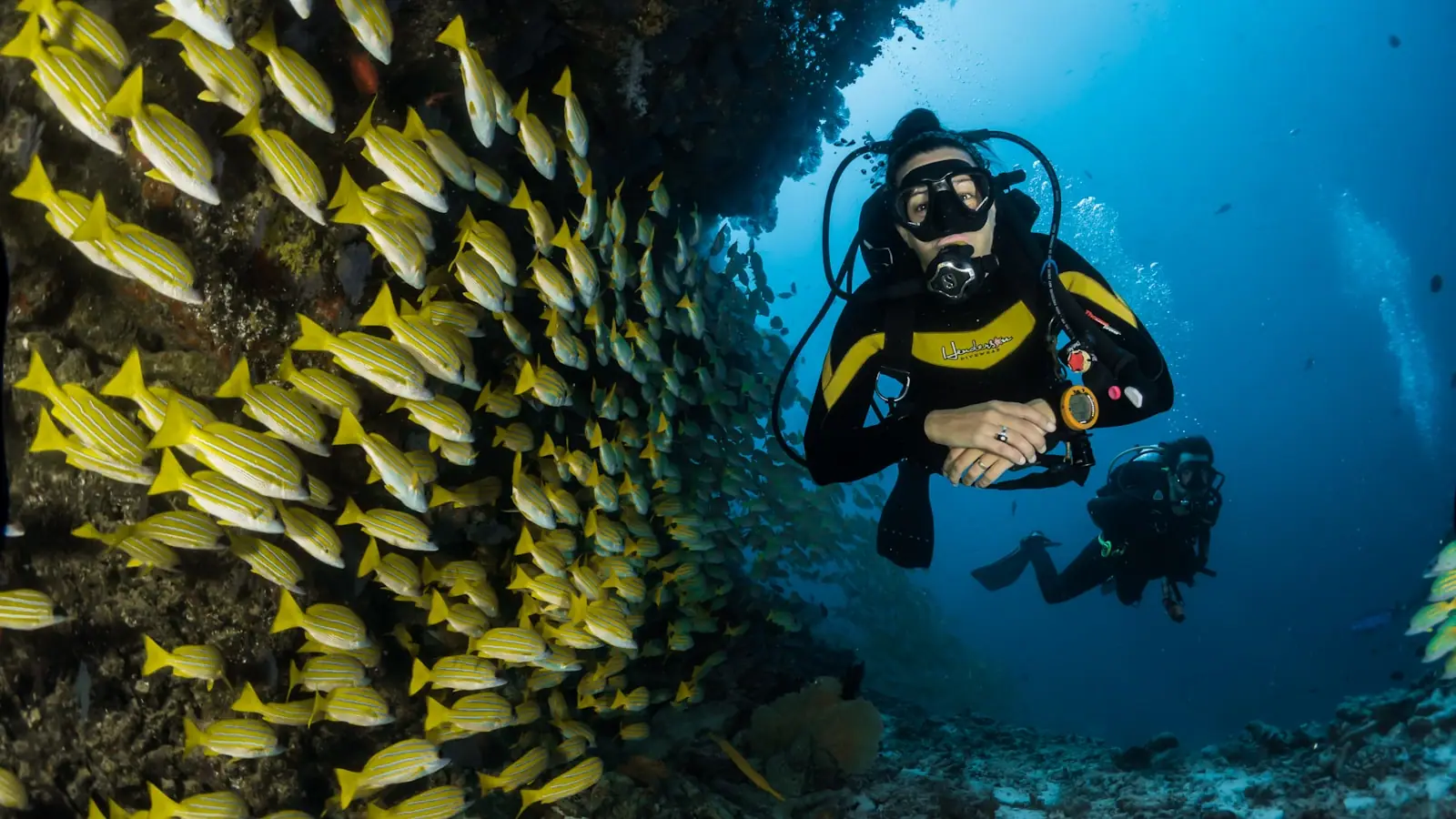
  • Rain does not affect visibility at depth here. Cozumel's clarity is a function of current and swell, not surface weather. A boat dive on a rainy, windless morning can be one of the best of the trip.
  • What rain does affect is light. Colours at 60 to 80 feet are flatter under heavy cloud, which matters to photographers and to nobody else.
  • Wind affects the boat ride, not the dive. A lumpy crossing to Palancar under a grey sky is uncomfortable for twenty minutes and then irrelevant.
  • Lightning stops everything. No responsible operator puts people in the water or on an open boat under an electrical storm, and the decision is not negotiable.
  • Snorkellers feel weather more than divers do, because you stay on the surface where the chop, the rain and the wind all are. A grey windy day is a poor snorkel day and a perfectly good dive day.
  • Bring a windbreaker for the surface interval. Wet, wind and 78-degree water will chill you between tanks even in July.
  • A norte can push operators to the southern sites, which are more sheltered when the wind is from the north. Ask rather than assuming the whole day is lost.
  • Book dive days early in your trip, so a closure still leaves you somewhere to move them to.

What a wet-weather day costs

What it costs

Bad weather is the cheap end of Cozumel, which is some consolation.

  • Museo de la Isla de Cozumel: a small admission, typically under ten dollars a head. Check current pricing at the door.
  • Discover Mexico Park: commonly in the $25 to $40 band per adult depending on what is included, with children less.
  • Chankanaab: tiered from the mid-thirties per adult for basic access up to around $120 for an all-inclusive pass. On a wet day the basic tier is the sensible one.
  • Tequila or chocolate tasting: usually $20 to $50 a head.
  • Cooking class: commonly $60 to $100 a head.
  • Nitrox certification or a course classroom day: varies by shop, and often the most useful money you will spend on a closed-port day.
  • Lunch in the market streets: a few dollars a plate.
  • A taxi across to the east coast: fixed by zone, and worth arranging a return rather than hoping for a passing cab in the rain.

On refunds. Most Cozumel operators offer free cancellation and will refund or reschedule when the port closes, because it happens to them regularly. Ship-booked excursions are refunded by the cruise line. Independent bookings depend on the policy you agreed to, which is a reason to filter for free cancellation in norte season.

Book it

Everything else we track

We could not find tours matching this right now

Nothing came back for Cozumel museum. Operators add and retire experiences constantly, so this list changes week to week. Try a broader category, or come back in a day or two.

Rain, wind and lightning: what stops what

How they compare

ConditionSeasonWhat stopsWhat still runs
Afternoon downpourMay to OctoberAlmost nothing; open-air dining moves under coverDiving, snorkelling, beach clubs, jeeps, town
All-day greyAny, uncommonSunbathingEverything else, including all boats
Norte (strong north wind)November to MarchDive boats, snorkel trips, catamarans, sometimes the ferryLand tours, town, east coast, ruins, museums
Lightning stormMostly May to OctoberAll boats, pools, exposed high groundIndoor everything, and it usually passes fast
Tropical storm or hurricane watchJune to NovemberBoats, ferry, flights, occasionally the whole islandNothing; follow official instructions
Heavy sustained rainJune and September to OctoberSome inland roads and low streets in San Miguel flood brieflyMost things, once it drains

The practical takeaway: check the wind, not the rain icon. A forecast showing thunderstorms and light winds is a normal Cozumel day. A forecast showing clear skies and 25-knot northerlies is the day your dive gets cancelled.

Your dive shop knows first. The harbourmaster's decision usually lands early in the morning, and good operators call or message before the pickup time rather than letting you arrive at the dock.

What to bring for bad weather

What to bring

  • A light rain shell rather than an umbrella. The rain here is warm and usually comes in sideways behind wind, which defeats umbrellas.
  • A windproof layer for December to March. A norte can drop night temperatures into the sixties, and that feels genuinely cold when you have been in the water.
  • Quick-dry clothing. Cotton stays wet all day in this humidity.
  • Sandals with grip. San Miguel's pavements, the tiled hotel walkways and boat decks are slick in rain.
  • A dry bag or waterproof phone pouch, which is useful on every boat here and essential on a wet one.
  • Pesos in small notes. Cards work in town and less reliably at small places, and a wet day usually means more small transactions.
  • A book or something to do. A closed-port morning is a real gap in a dive trip.
  • Your certification card and logbook if there is any chance of turning the day into a course.
  • Insect repellent. Mosquitoes are worst after rain, particularly inland around San Gervasio.
  • Travel insurance details, if you are travelling in hurricane season, along with printed booking confirmations in case connectivity drops.

When bad weather is more than an inconvenience

Before you book

  • Never swim on the east coast in wind. The undertow there is dangerous on a calm day and lethal in swell. There are no lifeguards anywhere on that coast. A norte is the day to look at it, not to enter it.
  • Do not go out in an electrical storm, including on a beach, a pool or high ground. Lightning is why boats stay tied up, and the reasoning applies to you on land.
  • Roads get slick and the topes do not change. Unpainted speed bumps in the rain, on a scooter, is the specific combination that fills the island's clinic.
  • The east coast road has no lighting, no fuel and patchy signal. In poor weather, turn back earlier than you think you need to.
  • Low streets in San Miguel can flood briefly in heavy rain. It drains, but do not drive into standing water in a rental you do not own.
  • In hurricane season, follow official instructions and not a forecast app. Airport, ferry and port decisions here are made with notice, and the island has protocols it uses.
  • Do not fly within 18 hours of your last dive, and be particularly careful of this in bad weather, when a cancelled day tempts people to squeeze a dive in on departure morning.
  • If the ferry is closed and you are day-tripping from the mainland, do not look for a boat that will make the crossing anyway. The port closes for a reason.

On the ground

Where to go

Every place below has its own page — hours, parking, what it costs and what to expect when you get there.

  • Heavy surf breaking on an empty, steep windward beach under a bright sky
    Free

    Beach

    Punta Morena

    Open Caribbean, no reef in front of it, no lifeguard on the coast — and the best two hours on the island if you are staying the night.

    1–3 hoursFree. The beach is open shoreline; you pay only for what you eat and drink.

  • Snorkellers above a shallow coral shelf close to a rocky shoreline in clear water

    Park

    Chankanaab Park

    The one Cozumel gate that buys reef you can swim to from the sand, a lagoon, a garden and a beach, ten minutes from the piers.

    3–7 hoursPaid park, charged per person at the gate with a lower child rate. All-inclusive food and drink packages and the animal programmes are priced separately on top.

  • Low stone Maya structures with corbelled doorways standing in cleared tropical forest

    Historic site

    San Gervasio Archaeological Site

    The island's principal Maya site: a sanctuary of Ixchel that drew women across the channel by canoe for six hundred years.

    1–2 hoursPaid archaeological site operated by INAH, charged per person in pesos, usually cash. Guides are extra and charged per group.

  • A small waterfront town seen from the water, with a seafront promenade and low buildings behind it
    Free

    Neighbourhood

    San Miguel de Cozumel

    The island's only town, where the price of the same beer halves somewhere between the waterfront and Avenida 30.

    1–4 hoursFree. The malecón, the main square and the waterfront cost nothing to walk.

  • A cruise ship berthed alongside a pier with a low waterfront town spreading behind it
    Free

    Landmark

    The Cozumel Malecón

    A seafront promenade that belongs to the cruise crowd until five and to San Miguel every evening after that.

    1–3 hoursFree. Walking the malecón and the main square costs nothing at any time of day.

  • Low stone Maya structures with corbelled doorways standing in cleared jungle

    Museum

    Museo de la Isla de Cozumel

    The one place on the island that explains why the reef, the endemic animals and the town all ended up the way they did.

    1–1.5 hoursA modest peso-denominated admission charged at the door, with reductions for children.

  • A stepped stone pyramid with a broad staircase standing in cleared ground under a bright sky

    Entertainment

    Discover Mexico Park

    Mexico's landmarks shrunk to knee height, ten minutes from the piers — the lowest-risk two hours on a short cruise day.

    1.5–2.5 hoursPaid admission per adult with a reduced child rate; tequila and chocolate tastings are generally included, purchases are not.

  • A wave-cut natural arch in dark pitted limestone with surf driving through the gap
    Free

    Viewpoint

    El Mirador

    A wave-cut arch of fossil reef beside the coast road, free to climb, sharp underfoot, and about five minutes long.

    10–30 minutesFree, with no gate, no ticket and no parking charge — which on Cozumel is unusual enough to be worth saying.

Straight answers

Questions people actually ask

What is there to do in Cozumel when it rains?

Less reorganising than you would expect, because wet-season rain here is a heavy 30 to 60 minute afternoon downpour rather than an all-day grey. Diving and snorkelling carry on. If you do want cover: the Museo de la Isla de Cozumel on the malecón, Discover Mexico Park south of town, Chankanaab's botanical garden, a tequila or chocolate tasting, a cooking class, and the covered market streets inland for lunch.

Does rain stop diving in Cozumel?

No. Visibility on Cozumel's reefs is set by current and swell rather than surface weather, so a rainy, windless morning can produce one of the best dives of a trip. Heavy cloud flattens colours at depth, which matters to photographers and to almost nobody else. What does stop diving is lightning, which keeps every responsible operator on shore, and wind strong enough to close the port.

What is a norte and what does it cancel?

A norte is a winter cold front, most common November through March, that brings strong north winds down the Yucatán channel. When one hits, the harbourmaster closes the port to recreational craft: no dive boats, no snorkel trips, no catamarans, and sometimes no Playa del Carmen ferry. Closures usually run one to three days and are announced early in the morning. Land tours, ruins, museums and the east coast all still work.

What should I do if my Cozumel dive gets cancelled?

Two good answers. Drive east, because a norte makes the windward coast spectacular — heavy swell on ironshore, spray over the road, El Mirador at its best — as long as you stay out of the water. Or ask your shop about the classroom portion of a Nitrox, advanced or refresher course, which they run routinely on closed-port days. Also move any remaining dive days forward, since closures often last more than one day.

Is Cozumel worth visiting in the rainy season?

For divers, often yes. From roughly June to October the water is at its warmest at 84 to 86°F, the reefs are quiet, prices drop and the rain is brief. The trade-offs are heat, humidity, visibility softening to around 75 feet in September and the overlap with the peak of hurricane season in August through October. Book refundable and buy insurance that covers weather disruption.

Are there indoor things to do in Cozumel?

A short but real list. The Museo de la Isla de Cozumel on the malecón is small, air-conditioned and genuinely good on reef ecology and the island's hurricane history. Discover Mexico Park keeps most of a couple of hours under cover. Tequila, mezcal and chocolate tastings, cooking classes and spas all run indoors. There is no aquarium, no large museum complex and no mall worth an afternoon, so plan rather than improvise.

Will I get a refund if the weather cancels my Cozumel tour?

Usually. Port closures are routine enough here that most operators refund or reschedule as a matter of course, and cruise lines refund ship-booked excursions they cancel. Independent bookings follow whatever policy you agreed to, which is a good reason to filter for free cancellation between November and March. Confirm the policy before you book rather than after the wind arrives.

Can you still snorkel in Cozumel on a windy day?

Less happily than you can dive. Snorkellers stay at the surface where the chop, the wind and the rain all are, so a grey windy day is a poor snorkel day even when the dive boats are still running. If the port is open and you want to be in the water, the sheltered shore-entry spots on the west coast road are calmer than anything a boat will reach, and Chankanaab's cove is more protected still.