Skip to content
Search
Menu

These go through Viator and earn us a commission. You pay the same as booking direct, and the commission did not choose the list.

Snorkellers above a shallow coral shelf close to a rocky shoreline in clear water
shino 誌野

Park

Chankanaab Park

Last updated

The one Cozumel gate that buys reef you can swim to from the sand, a lagoon, a garden and a beach, ten minutes from the piers.

Chankanaab means "little sea" in Maya, and the name belongs to the brackish lagoon at the centre of the park: a small body of water sitting behind the shoreline, connected to the Caribbean through underground channels in the limestone rather than an open mouth. That lagoon is the reason the place was protected in the first place, and it is still the quietest and most interesting thing inside the fence.

Most people come for the other side of the road. Chankanaab's sea frontage sits directly on the leeward shelf, and Chankanaab Reef starts close enough inshore that you can walk down a ladder and swim to coral in a couple of minutes. That is rarer on Cozumel than visitors assume — nearly everything else worth snorkelling here needs a boat. The underwater attractions include a submerged bronze Christ figure, replica Maya sculpture placed on the seabed, and a reef that holds the usual leeward cast plus a decent chance of the splendid toadfish, the species that lives on Cozumel's reefs and effectively nowhere else.

Inland the park runs a botanical garden of several hundred species with replica Maya structures set among them, a saltwater swimming area, restaurants, a beach with palapas, and a set of paid animal programmes: dolphin encounters and swims, a sea lion show, and manatee interactions. Those programmes are genuinely popular and they are also captive-animal attractions. We are not going to pretend otherwise. If that matters to you, you can visit Chankanaab, snorkel, walk the garden and never go near them; if it does not, the operator is a long-established one and the facilities are what you would expect.

The park's real selling point is compression. Ten minutes from the cruise piers, one gate fee, restrooms, food, loungers, lockers, shade and a reef you swim to rather than ride to. For a family with six hours ashore and no rental car, nothing else on Cozumel does all of that at once.

One caution that catches people every season: the current on this shore sets north and it is stronger than the flat surface suggests.

Getting there and parking

On the coast road south of San Miguel, past the cruise piers and before the big all-inclusive beach clubs. From Puerta Maya or the International Pier it is a short fixed-fare taxi, generally ten to fifteen minutes. From Punta Langosta or downtown, allow a little longer. Agree the fare before you get in; Cozumel taxis work on posted zone rates with no meters.

There is parking at the park if you have a rental, and it is one of the easier places on the island to leave a car.

Think about the return leg. Taxis queue at the park entrance during the day, but the rank thins in the late afternoon once the cruise crowd has gone back, so do not leave it until the last minute if you have a ship to catch. If you are on a package that includes a transfer, check whether it covers the ride back as well as the ride out — an outbound-only transfer is a common and irritating surprise.

Snorkelling from the sand, and the current nobody mentions

Entry is from ladders and steps over rock rather than a sandy walk-in, which surprises people expecting a beach entry. Fins go on sitting down at the top; get in, swim out a short way, and the reef is under you.

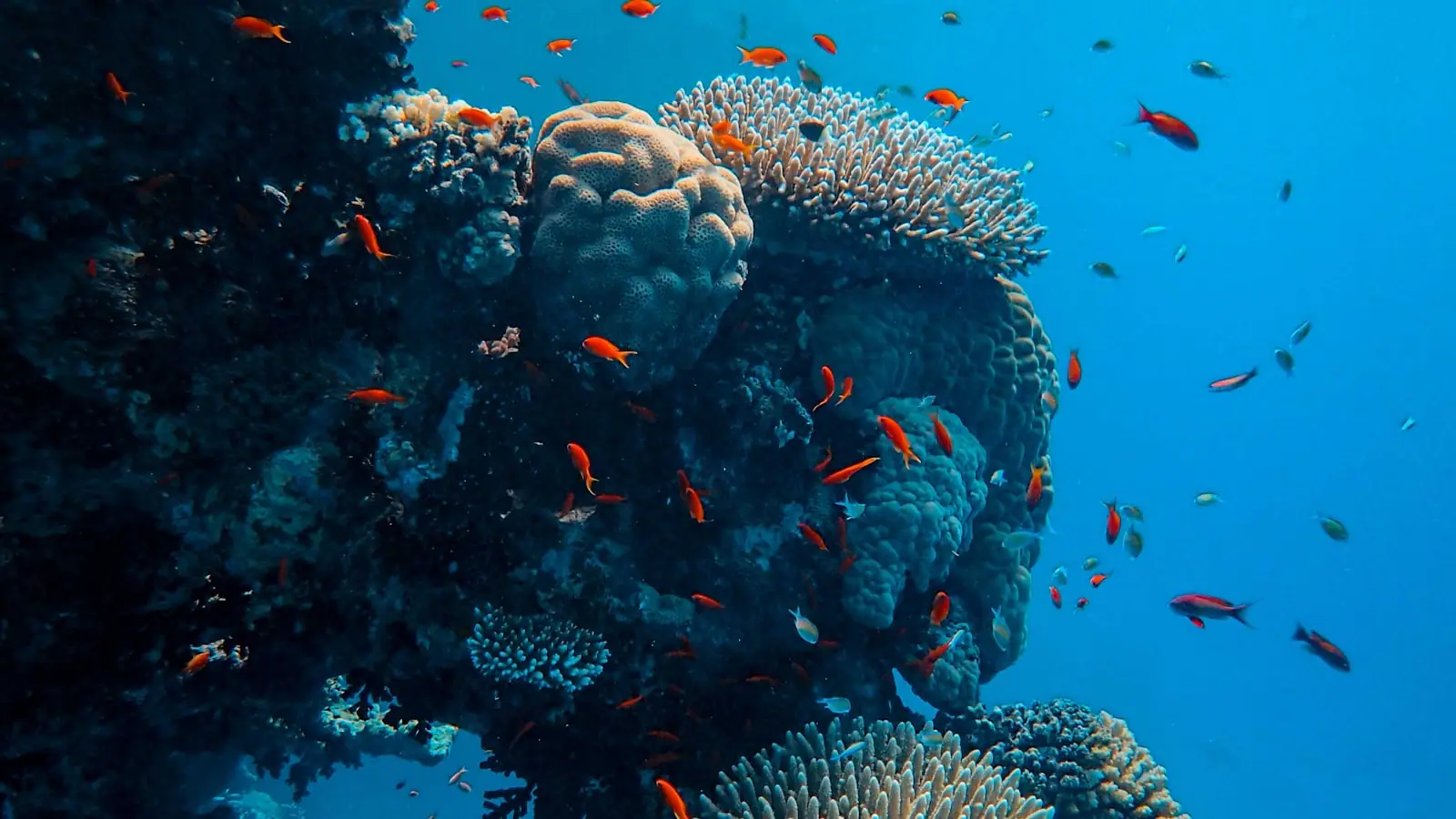
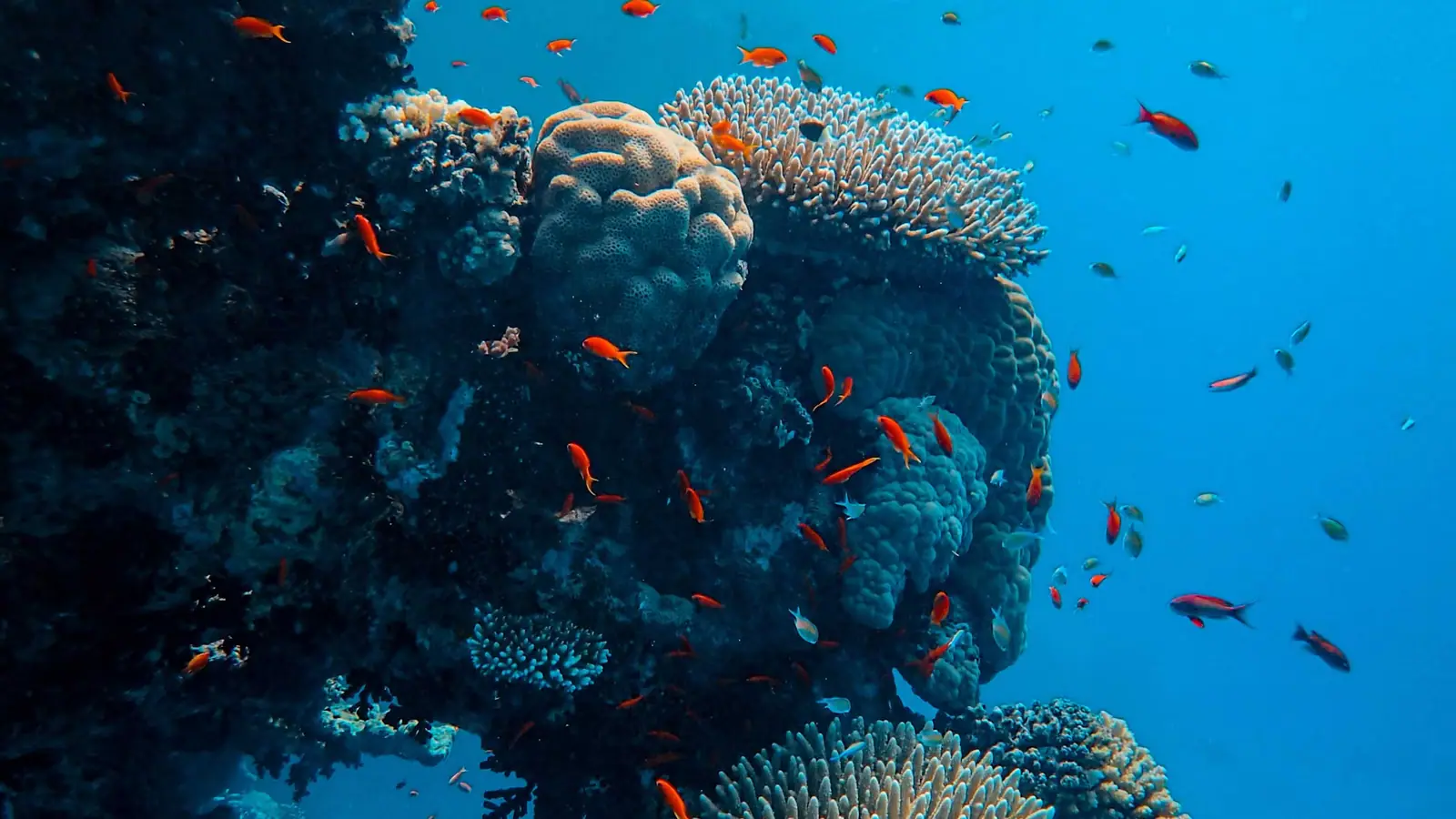
What is there: coral heads and sea fans on the shelf, grunts and snapper stacked under ledges, angelfish, parrotfish, the occasional ray on the sand, and the submerged statuary that makes this the most photographed shore snorkel on the island. Visibility is usually good and the water is warm enough year-round that a rash guard is more about sun than temperature.

The current is the thing to respect. Cozumel's leeward flow runs south to north along this whole coast, and it does not look like anything from the surface. Snorkellers who swim out and drift north without noticing find the return leg much harder than the way out, and every season the park's staff pull people who ran out of energy going the wrong way.

Handle it the way locals do:

  • Swim into the current first, so the tired half of your swim is the easy one.
  • Pick a landmark on shore and check it every few minutes.
  • Take the flotation if it is offered. A vest or noodle costs nothing in dignity and buys a lot of margin.
  • Do not stand on the coral when you get tired. Float, signal, wait.
  • Reef-safe sunscreen, applied well before you get in, or a long-sleeve top instead.

The lagoon, the garden and the quiet half of the park

Walk inland from the beach and the noise drops away fast.

The lagoon is a small, still, brackish pool ringed by limestone and vegetation, fed through underground channels rather than a surface connection to the sea. It is the feature the park is named for and the reason the area was given protected status decades ago, after heavy early use damaged it. Access arrangements at the lagoon itself have changed over the years and are not the same as the sea frontage, so ask at the gate what is permitted on the day rather than assuming from an old blog post.

The botanical garden holds several hundred plant species, mostly tropical and many native to the peninsula, arranged along shaded paths with replica Maya structures set among them. The replicas are exactly that — reproductions, not archaeology — and the park is upfront about it. For the real thing, San Gervasio and El Cedral are a drive inland.

This half of the park is where you go at midday when the sun is unbearable and the snorkel entry is crowded. It is shaded, it is quiet, the paths are paved, and there are iguanas the size of cats on the walls not caring about any of it.

The dolphin, sea lion and manatee programmes

Chankanaab is one of the main places on Cozumel where you can book a structured encounter with captive marine mammals: dolphin swims and encounters at several price points, a sea lion presentation, and manatee interactions. They are booked separately from park admission, they sell out on heavy cruise days, and they run to a timetable rather than on demand.

The honest framing. These are captive animals in enclosed sea pens, kept and trained for interaction programmes. There is a real and unresolved debate about whether that is acceptable, and plenty of visitors book them without a second thought while others would not go near them. We are not going to tell you it is wildlife viewing, because it is not, and the wild bottlenose dolphins you might see from a boat off Cozumel are a different experience entirely.

Practical notes if you do book: expect a briefing, a life vest, a fixed group size, and a photography arrangement you cannot opt out of by bringing your own camera. Prices are per programme and sit well above the gate fee. Book in advance on a multi-ship day.

If you would rather not, the park works perfectly well without them. The snorkelling, the garden, the beach and the lagoon are all covered by ordinary admission.

Who Chankanaab is for

Cruise passengers with a family are the core audience, and it is a good fit. Ten to fifteen minutes by fixed-fare taxi from Puerta Maya or the International Pier, one gate fee, and everything in one place: real reef snorkelling without a boat, loungers, shade, restrooms, lockers, food, a garden to walk when the sun peaks. There is no transfer to get wrong and no boat schedule to miss, which on a six-to-eight-hour call is worth a great deal. Arrive at opening if you can; the park is at its most crowded mid-morning when the ships have all emptied.

Overnight visitors should think harder. Chankanaab's admission is not trivial, and if you are staying on the island you can snorkel comparable reef for the price of a drink at Dzul-Ha or the Money Bar stretch just up the coast, dive the real reefs by boat for not much more, and spend your park money on Punta Sur instead. Chankanaab still earns a morning if you have children who need shade, restrooms and something to do between swims.

Divers occasionally dismiss the place, which is unfair — Chankanaab Reef is a legitimate shallow dive and a reliable splendid toadfish site — but you will be diving it from a boat with a shop rather than through the gate.

Anyone on a budget should compare the all-in number against a half-day boat snorkel before booking. Sometimes the boat wins.

Tours that visit Chankanaab

Operators run these trips past Chankanaab, or stop there as part of a longer route. We list what the booking data supports — not everything that mentions the name.

These go through Viator and earn us a commission. You pay the same as booking direct, and the commission did not choose the list.

Shared departurespriced per seat, best value for one or two

Private and small-group optionsoften cheaper per head for a family or a group of six

  • El Ausente at El Cielo
    Free cancellationPrivate tour

    Low Last Minute Supplier Cancellation Rate

    Exclusive Private Boat to El Cielo (opens in a new tab)

    70 reviews

    Indulge in the exclusivity of a Private Boat tour to Cozumel’s most breathtaking destinations: El Cielo and the world-famous coral reefs…

    4 hours

    Prices checked

    from $419.99
  • Mr Sanchos Romantic Day Beach Pass for Two
    Free cancellationSmall group

    Short term availability

    Mr Sanchos Romantic Day Beach Pass for Two (opens in a new tab)

    455 reviews

    Already married? We have just what you need. Just friends? You can join along too. Come and enjoy. This pass includes the All Inclusive…

    1 hour

    Prices checked

    from $295

Near Chankanaab

Straight-line distances, so allow more on the road — the island is long and has one main parkway.

  • A low coral ridge with sponges and sea fans in shallow, brightly lit water

    Water feature

    Paradise Reef

    Thirty to fifty feet of easy reef a few minutes south of the cruise piers, and the best night dive on the island.

    2–4 hoursNot free in practice: boat access, plus the per-person daily national park fee charged to everyone entering the park by boat.2.6 mi away

  • Coral heads, sea fans and sponges on a shallow fringing reef in very clear water
    Free

    Water feature

    Dzul-Ha Reef

    A living reef close enough to the rocks that you are over coral within a minute of going down the ladder.

    1–3 hoursThe reef itself is free to swim over. Shoreline access has historically been free at the venue above it, with food, drink, loungers and gear rental charged separately.1.5 mi away

  • A snorkeller floating face-down over a shallow fringing reef close to a rocky shoreline
    Free

    Beach

    The Money Bar Beach Club

    No pass, no buffet, no DJ — a deck over the Dzul-Ha reef, ten minutes from the piers, where you pay for lunch and the fish are free.

    2–5 hoursHistorically no day pass — walk in and pay for what you use: food, drink, a lounger, gear rental.1.5 mi away

  • Empty beach chairs under umbrellas on a calm leeward shore in early morning light

    Beach

    Mr Sanchos Beach Club

    The island's top-selling day pass: buffet, open bar and calm shallow water at kilometre 15 — and a car park full of taxis by eleven.

    3–7 hoursAll-inclusive day pass per person covering buffet, open bar, lounger or palapa and pool. Adult, teen and child tiers.3.1 mi away

Chankanaab: common questions

Is the snorkelling at Chankanaab any good?

Yes, and it is unusual on Cozumel because you swim to it rather than ride to it. Chankanaab Reef starts close inshore, so a short swim from the ladders puts you over coral heads, sea fans, reef fish and the submerged bronze and Maya statuary. It is also a reliable spot for the splendid toadfish, which lives on Cozumel's reefs and essentially nowhere else. Entry is over rock via ladders, not a sandy walk-in.

How much does Chankanaab cost?

Basic admission is charged per person at the gate with a lower child rate, and sits somewhere around twenty-five US dollars per adult, though the price is set in pesos and moves. All-inclusive food and drink packages cost considerably more, and dolphin, sea lion and manatee programmes are separate and higher again. Verify current pricing, and check whether snorkel gear, lockers and loungers are included before paying for a package.

Is Chankanaab good for a cruise day?

It is one of the best options for a family with no rental car. It sits ten to fifteen minutes by fixed-fare taxi from Puerta Maya and the International Pier, and one gate buys reef snorkelling, loungers, shade, restrooms, lockers, food and a garden to walk at midday. There is no boat schedule to miss. Arrive at opening, because mid-morning is when every ship has emptied at once.

Are the dolphins at Chankanaab wild?

No. The dolphin, sea lion and manatee programmes are captive-animal attractions in enclosed sea pens, booked separately from admission and run to a timetable. They are popular and professionally operated, and there is a real debate about whether such programmes should exist at all. If they are not for you, the park works fine without them: snorkelling, the lagoon, the botanical garden and the beach are all covered by ordinary gate admission.

Is Chankanaab worth it if you are staying on the island?

Less obviously than for cruise passengers. Staying overnight, you can snorkel comparable reef for the price of a drink at Dzul-Ha or the Money Bar stretch up the coast, dive the real reefs by boat for not much more than the gate fee, and spend your park budget on Punta Sur instead. Chankanaab still earns a morning with young children who need shade, restrooms and somewhere to be between swims.