Skip to content
Search
Menu

These go through Viator and earn us a commission. You pay the same as booking direct, and the commission did not choose the list.

A low coral ridge with sponges and sea fans in shallow, brightly lit water
Unknown

Water feature

Paradise Reef

Last updated

Thirty to fifty feet of easy reef a few minutes south of the cruise piers, and the best night dive on the island.

Photo: UnknownPublic domain

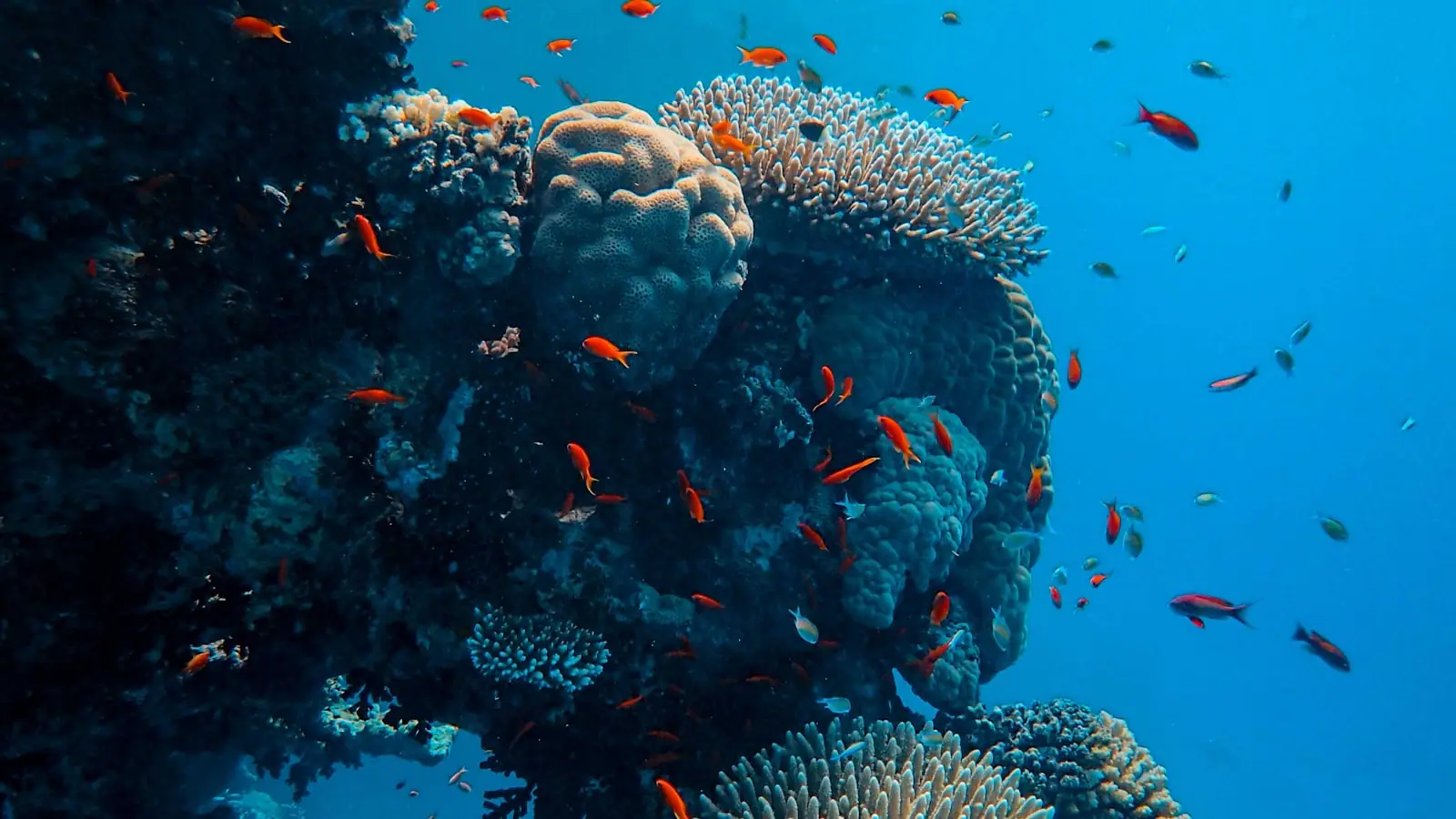
Paradise — Paraíso on Mexican charts and on half the island's dive slates — is the northernmost reef in the Cozumel park system and the closest thing the island has to a reef you can reach on a tight clock. It sits just south of the cruise pier complex in thirty to fifty feet of water, arranged as two roughly parallel ridges running along the shelf with sand between them. The current is mild by Cozumel standards. The boat ride from a town dock is measured in minutes rather than the better part of an hour.

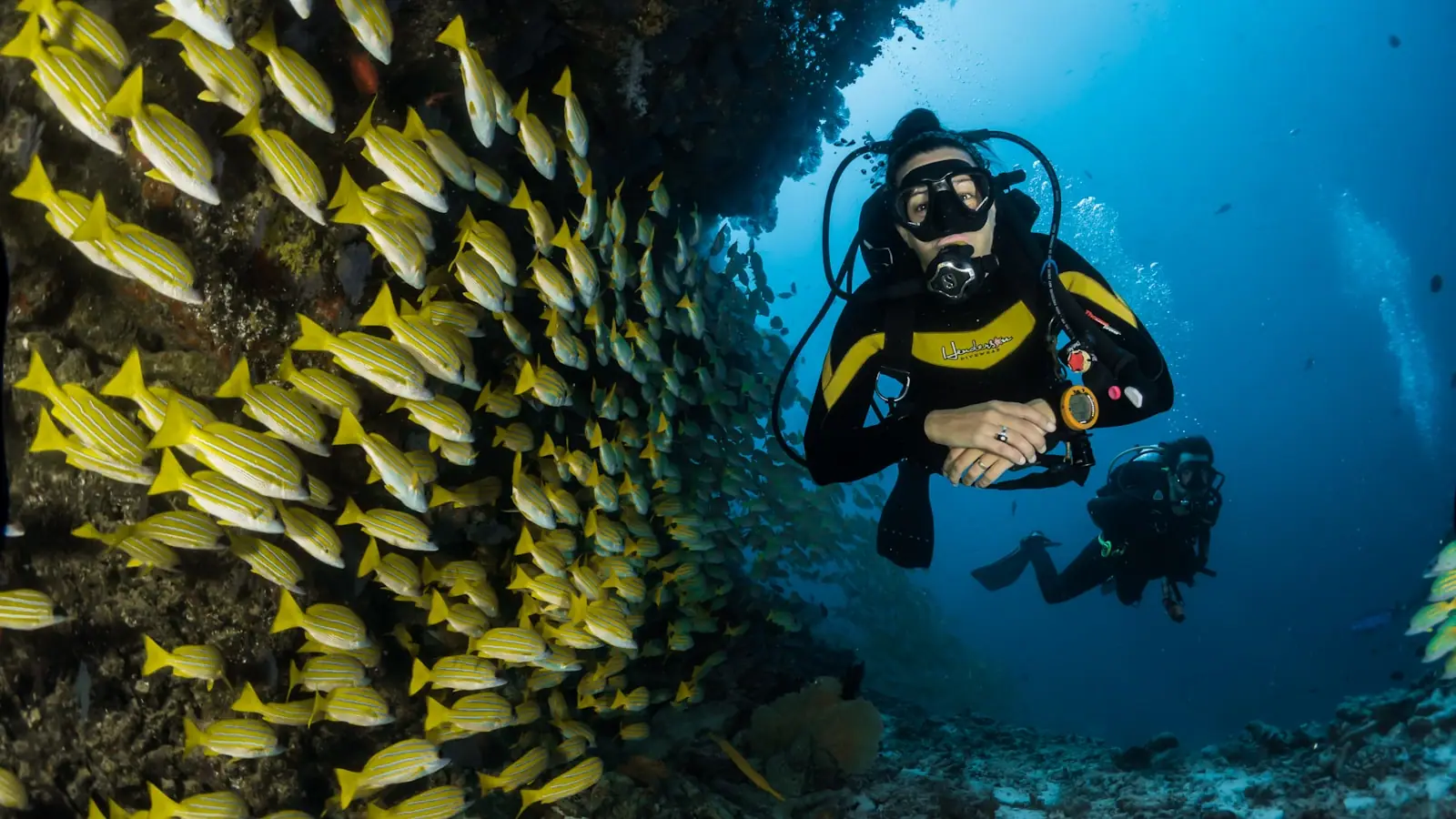
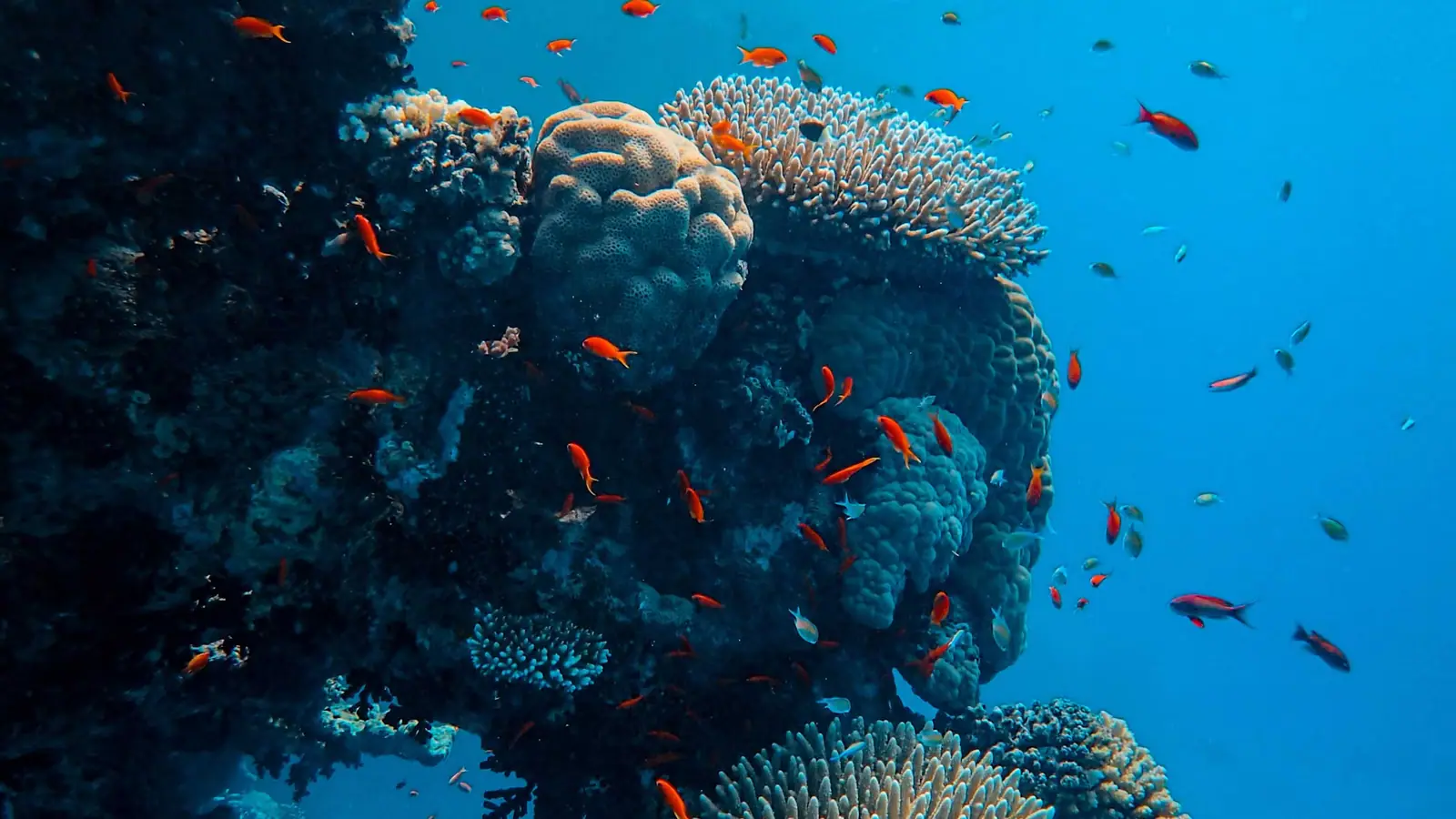
That combination makes it the island's workhorse. It is where shops run checkout dives and refreshers, where discover-scuba groups get their first proper reef, and where the second tank of a two-tank morning lands after something deeper down south. None of that means it is a consolation prize. The ridges are low but dense — sponges, gorgonians swaying in the drift, schools of grunts stacked under the ledges, angelfish working the coral heads, and often a green moray with its head out of a hole.

Paradise is also the best place on Cozumel to meet the island's most famous resident. The splendid toadfish is endemic here — it lives on Cozumel's reefs and effectively nowhere else in the world. It is a flat, wide-mouthed, bad-tempered-looking fish with yellow fins and horizontal blue-white stripes, and it spends the day wedged under a ledge with only its face showing. Guides who dive this reef daily know which holes to check. Do not expect it to come out; do not poke at it.

At night the reef changes entirely, and this is the dive Paradise is genuinely famous for. Calm water, shallow depth and a short boat ride make it the standard night dive on the island. Octopus come out onto the coral, lobsters walk in the open, the toadfish leaves its hole, and the shallows fill with the small nocturnal traffic you never see at noon.

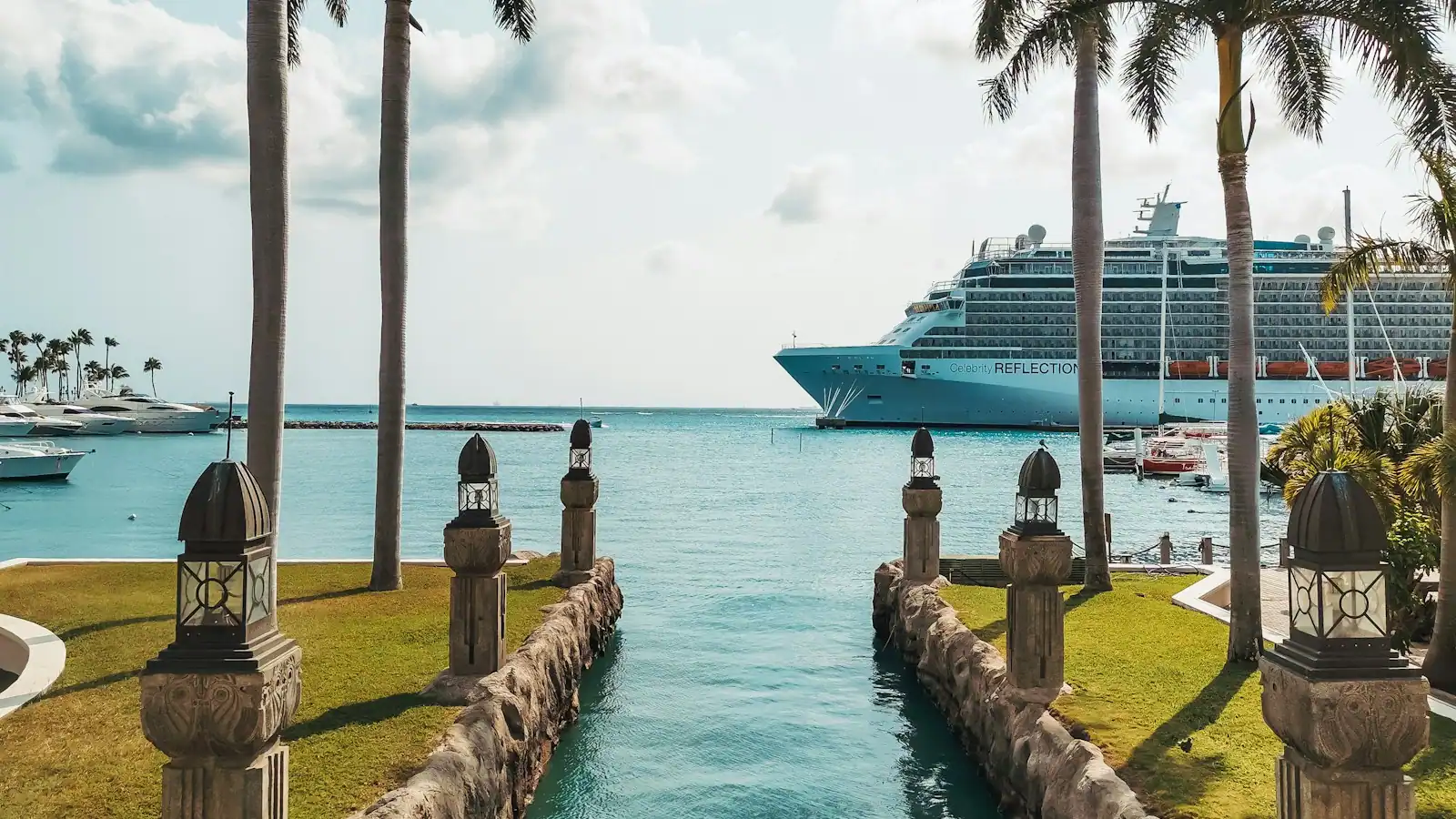
One honest caveat: cruise ships manoeuvre directly above this stretch of coast, and on a heavy call the reef carries a lot of boats, bubbles and snorkel groups.

Getting there and parking

Boat access, but a very short one. Paradise lies immediately south of the cruise pier complex on the leeward coast, minutes from the San Miguel dive docks and from the west-coast hotel piers. It is the shortest boat ride to any reef on the island, which is the whole reason it is dived as heavily as it is.

There is no direct shore entry onto Paradise itself, but the same shallow shelf carries the island's best walk-in snorkelling a little further along the coast road at Dzul-Ha and the Money Bar stretch, where you pay for a drink or a locker rather than a boat.

Cruise passengers at Puerta Maya and the International Pier are already at this end of the coast. From Punta Langosta in town, it is a short fixed-fare taxi south, or a walk to a town dock if your operator departs from there. Agree the taxi fare before getting in.

The one reef that fits a cruise call

If you have six to eight hours and an all-aboard time you cannot miss, Paradise is the answer and Palancar usually is not.

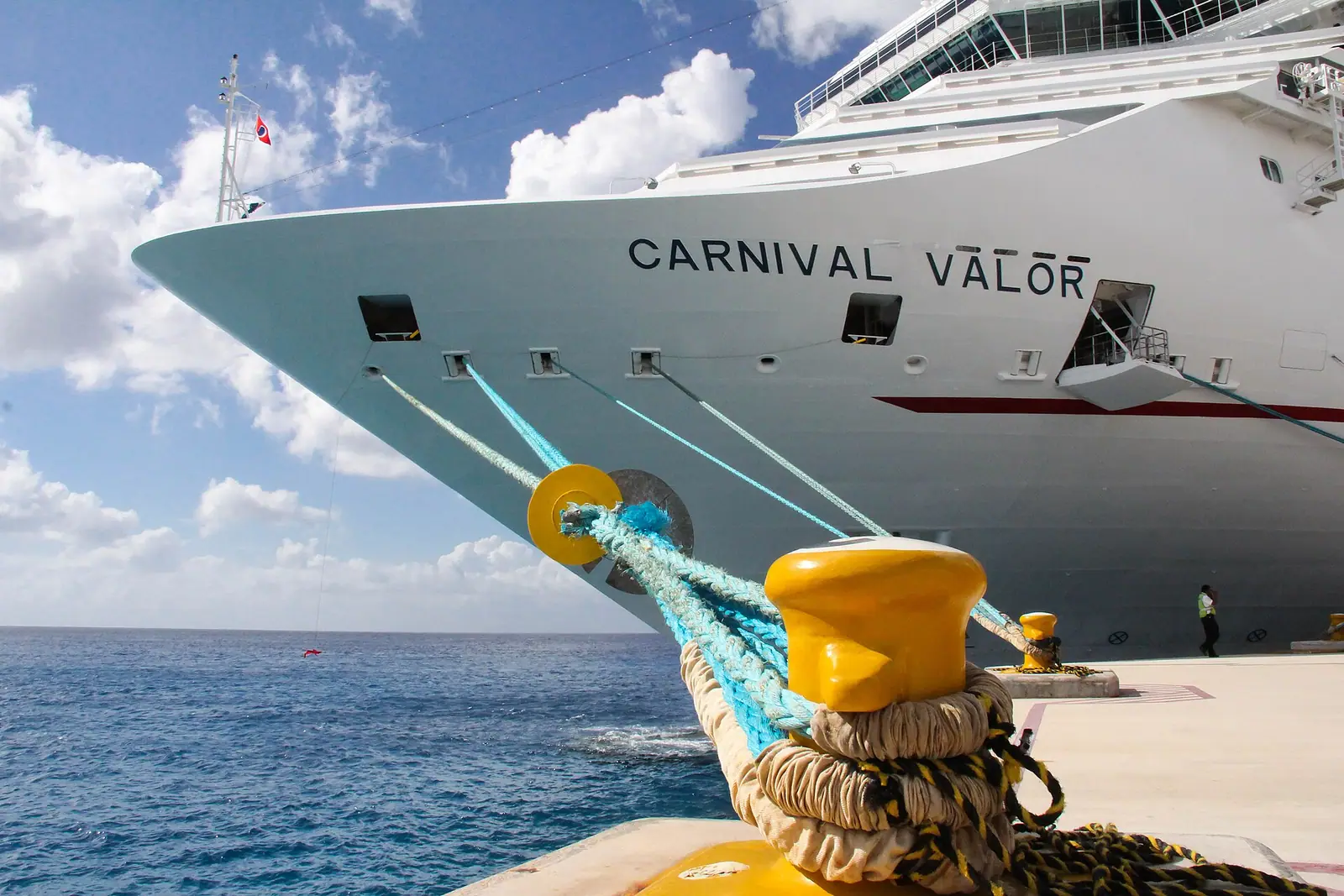
The reef lies minutes offshore from the pier complex. A one-tank or two-tank morning from a town-side or hotel dock puts you back on land with hours to spare, which is the difference between diving Cozumel and watching the clock the whole time. The southern reefs are better, but they cost you most of the day in boat time.

Three things to get right:

  • Work backwards from all-aboard in ship's time. Quintana Roo stays on UTC-5 year-round with no daylight saving, so from March to November the island is an hour behind US Eastern. Confirm which clock your operator is quoting.
  • Book with a shop that works to ship schedules, and tell them the ship's name. They know the pattern.
  • Do not dive on a day you fly. If your cruise ends with a flight home the next morning, that is usually fine; if it ends the same day, it is not.

Snorkellers get Paradise too, from boats and from the shore entries just north and south of it along the Dzul-Ha and Money Bar stretch, which is the cheapest reef access on the island.

The night dive

Cozumel's night diving happens here for practical reasons: shallow, calm, short run, easy navigation along two parallel ridges. The result is a dive most people remember more clearly than the deep wall they did that morning.

What changes after dark. The coral polyps are out and feeding, so the reef looks furred rather than hard. Octopus hunt in the open and will sometimes follow a light. Spiny lobsters walk around in plain view instead of backing into holes. Basket stars unfold from tight knots into wide nets across the gorgonians. And the splendid toadfish, invisible all day, leaves its ledge and sits out on the sand.

Etiquette matters more at night than it does in daylight. Keep your light off other divers' faces and off animals' eyes for longer than a moment. Do not chase the octopus. If the guide wants everyone to cover their lights for a minute to show bioluminescence, do it properly — it only works if the whole group commits.

Most shops want you to have dived that day or the day before, and some want a night-dive briefing even if you have done them elsewhere, because the mild drift still moves you. Bring a backup light. The one you rented is not always the one that works.

The splendid toadfish, and why it only lives here

The splendid toadfish is Cozumel's own animal. It is endemic to the island's reefs and is not found as a normal resident anywhere else, which makes it the single most destination-specific thing you can see underwater in the Mexican Caribbean.

It looks like nothing else on the reef: a broad flattened head, a wide downturned mouth fringed with barbels, bright yellow fins, and horizontal blue-white stripes along a dark body. During the day it lodges itself under a coral ledge or in a hole in the sand with only its face showing, which is why guides go straight to specific spots rather than searching. It is also a vocal fish, and divers occasionally hear the low grunting call through the water without working out where it came from.

How to behave around one. Look, photograph, move on. Do not reach in, do not use a pointer to encourage it out, and do not let a guide do either on your behalf — the practice exists and it is worth refusing. The fish is protected within the national park along with everything else on the reef, and its habit of living in one hole makes it easy to harass repeatedly.

Paradise is among the most reliable daytime sites for it. Chankanaab Reef and the shallow sites along this northern stretch are the others.

The honest downsides

Paradise is the busiest reef on Cozumel and it looks it in places.

Traffic. The reef lies under the approach and manoeuvring water for the cruise piers. On a four-ship day there are boats overhead constantly, several dive groups in the water at once, and snorkel flotillas working the shallow end. Visibility is generally still good, but this is not a quiet dive.

Wear. Decades of checkout dives, discover-scuba groups and snorkel traffic have left their mark. The coral cover here is thinner and lower than on the southern reefs, and storm damage over the years has flattened parts of the structure. If your only Cozumel dive is Paradise, you will leave underrating the island.

Expectations. A diver who has read about hundred-foot visibility and sheer walls, then gets a fifty-foot ridge with a cruise ship's hull overhead, feels short-changed. That is a booking problem, not a reef problem. Paradise is a very good easy dive and a superb night dive; it is not the island's showpiece.

The rules are the same as everywhere in the park: per-person daily park fee, gloves generally prohibited, no touching or standing on coral. On a shallow, crowded reef, the fin-kick damage is the one that actually accumulates, so watch what your feet are doing.
Tours that visit Paradise Reef

Operators run these trips past Paradise Reef, or stop there as part of a longer route. We list what the booking data supports — not everything that mentions the name.

These go through Viator and earn us a commission. You pay the same as booking direct, and the commission did not choose the list.

Shared departurespriced per seat, best value for one or two

Private and small-group optionsoften cheaper per head for a family or a group of six

  • El Ausente at El Cielo
    Free cancellationPrivate tour

    Low Last Minute Supplier Cancellation Rate

    Exclusive Private Boat to El Cielo (opens in a new tab)

    70 reviews

    Indulge in the exclusivity of a Private Boat tour to Cozumel’s most breathtaking destinations: El Cielo and the world-famous coral reefs…

    4 hours

    Prices checked

    from $419.99
  • Mr Sanchos Romantic Day Beach Pass for Two
    Free cancellationSmall group

    Short term availability

    Mr Sanchos Romantic Day Beach Pass for Two (opens in a new tab)

    455 reviews

    Already married? We have just what you need. Just friends? You can join along too. Come and enjoy. This pass includes the All Inclusive…

    1 hour

    Prices checked

    from $295

Near Paradise Reef

Straight-line distances, so allow more on the road — the island is long and has one main parkway.

  • Snorkellers above a shallow coral shelf close to a rocky shoreline in clear water

    Park

    Chankanaab Park

    The one Cozumel gate that buys reef you can swim to from the sand, a lagoon, a garden and a beach, ten minutes from the piers.

    3–7 hoursPaid park, charged per person at the gate with a lower child rate. All-inclusive food and drink packages and the animal programmes are priced separately on top.2.6 mi away

  • Coral heads, sea fans and sponges on a shallow fringing reef in very clear water
    Free

    Water feature

    Dzul-Ha Reef

    A living reef close enough to the rocks that you are over coral within a minute of going down the ladder.

    1–3 hoursThe reef itself is free to swim over. Shoreline access has historically been free at the venue above it, with food, drink, loungers and gear rental charged separately.1.4 mi away

  • A snorkeller floating face-down over a shallow fringing reef close to a rocky shoreline
    Free

    Beach

    The Money Bar Beach Club

    No pass, no buffet, no DJ — a deck over the Dzul-Ha reef, ten minutes from the piers, where you pay for lunch and the fish are free.

    2–5 hoursHistorically no day pass — walk in and pay for what you use: food, drink, a lounger, gear rental.1.4 mi away

  • A large cruise ship berthed at a concrete pier on a calm Caribbean coast
    Free

    Marina

    Puerta Maya Cruise Pier

    The southern pier: a shopping village at the gangway, the beach clubs twenty minutes south, and San Miguel three miles up the road.

    0.5–1 hoursFree to walk through as a cruise passenger. The terminal is not a public attraction and there is no general access from the road.0.9 mi away

Paradise Reef: common questions

Is Paradise Reef good for beginners?

It is the island's standard beginner reef, and deservedly so. Depths run around thirty to fifty feet, the current is mild by Cozumel standards, the two parallel ridges make navigation simple, and the boat ride is minutes rather than an hour. Shops run checkout dives, refreshers and discover-scuba groups here. Experienced divers should treat it as a second tank or a night dive rather than the reason they came.

Can you dive Paradise Reef on a cruise stop?

Yes, and it is the reef most cruise passengers should pick. It sits minutes offshore from the pier complex, so a one or two-tank morning leaves real slack before all-aboard. Book with an operator that works to ship schedules, give them your ship's name, and confirm which clock they are quoting: Cozumel stays on UTC-5 year-round, putting it an hour behind US Eastern from March to November.

Where can you see a splendid toadfish in Cozumel?

Paradise Reef is one of the most reliable daytime spots, along with Chankanaab Reef and the other shallow northern sites. The splendid toadfish is endemic to Cozumel and lives essentially nowhere else, which makes it the island's signature animal. By day it wedges under a ledge with only its striped face visible, so guides go to known holes. Look and photograph, but never reach in or try to coax it out.

Why is Paradise Reef the best night dive in Cozumel?

Shallow water, mild current, a short run from the docks and simple navigation along two ridges. After dark the reef changes character: octopus hunt in the open, lobsters walk the coral, basket stars unfold across the sea fans, and the splendid toadfish leaves its hole. Most operators want you to have dived recently, and a backup torch is worth carrying regardless of what the rental desk hands you.

Is Paradise Reef damaged or crowded?

Both, honestly. It lies under the cruise piers' working water, so on a multi-ship day there are boats overhead, several dive groups down at once and snorkel flotillas on the shallow end. Decades of training dives and past storm damage have left the coral cover thinner and lower than on the southern reefs. It remains a very good easy dive and a superb night dive, but it is not the island at its best.