Skip to content
Search
Menu

These go through Viator and earn us a commission. You pay the same as booking direct, and the commission did not choose the list.

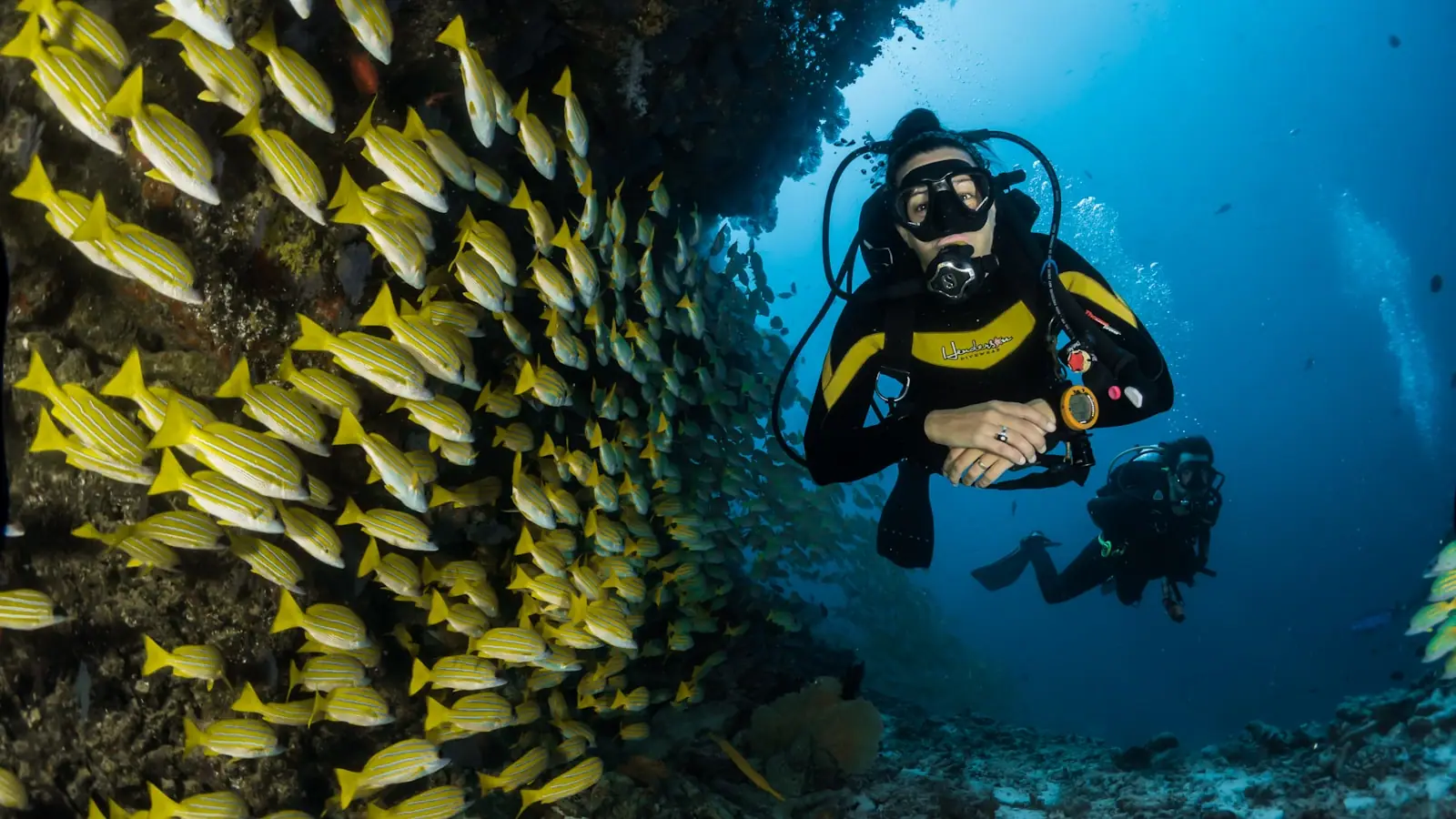
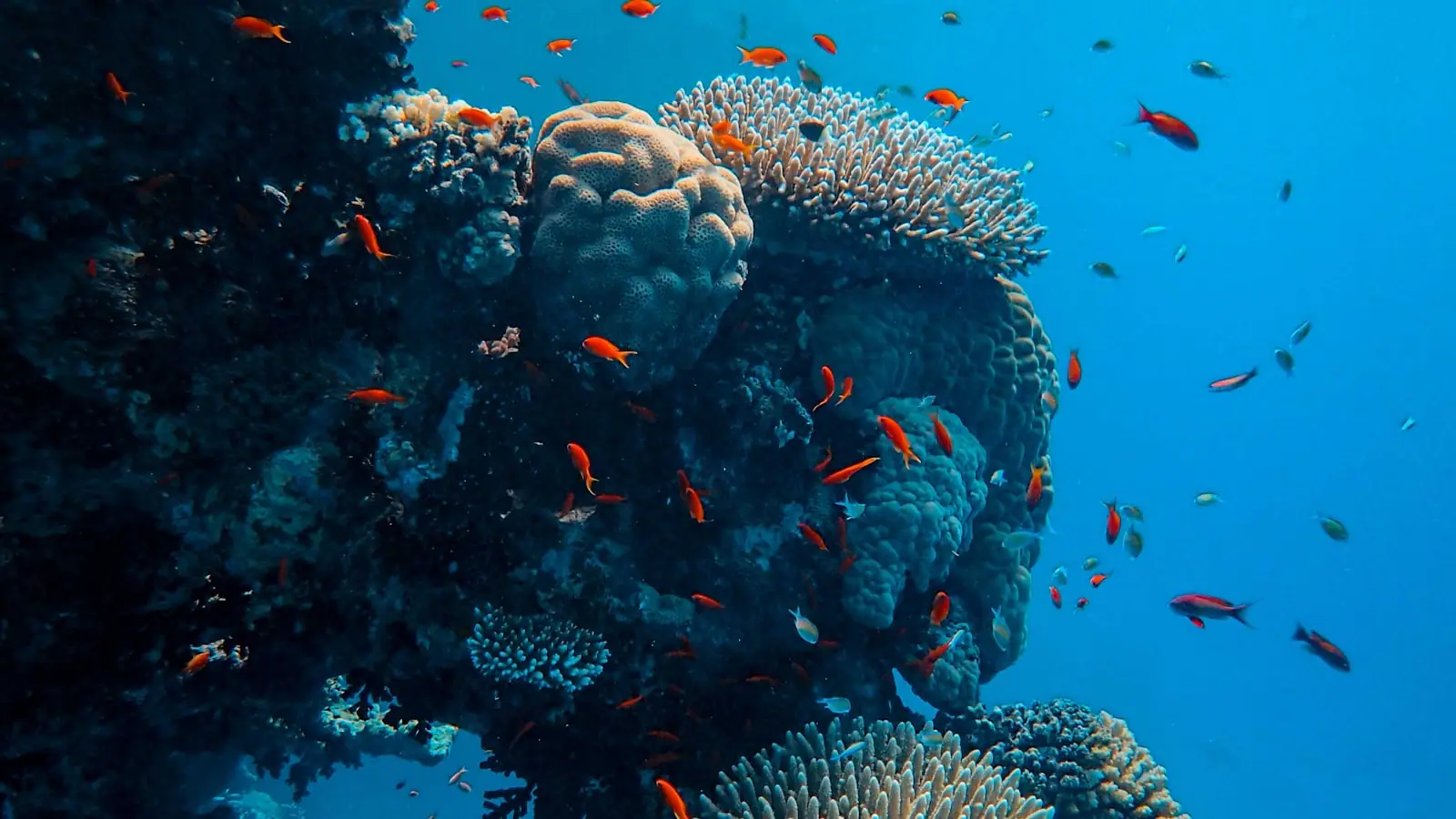
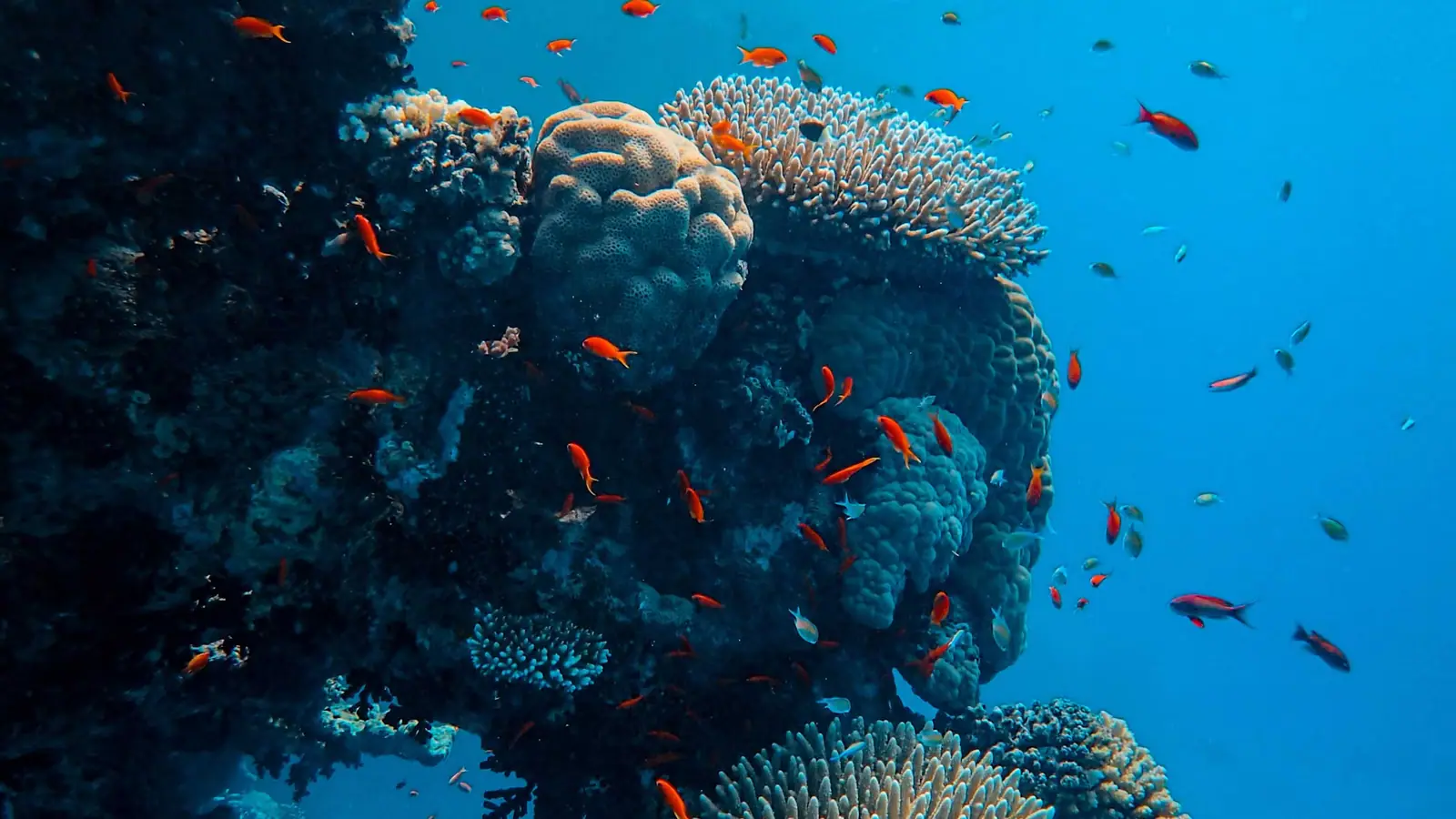
Coral heads, sea fans and sponges on a shallow fringing reef in very clear water
Adrienne van den Beemt

Water feature

Dzul-Ha Reef

Last updated

A living reef close enough to the rocks that you are over coral within a minute of going down the ladder.

Almost everything Cozumel is famous for underwater happens somewhere you cannot swim to. Palancar, Santa Rosa Wall, Columbia — these are offshore wall dives in the channel, reached by boat, worked in a current that does the swimming for you. Dzul-Ha is the exception, and that exception is why it matters far more than its size suggests.

At roughly kilometre 6.5 of the Carretera Costera Sur, about eight minutes south of the cruise piers, a shallow fringing reef runs parallel to the shoreline just a few metres out. You go down a ladder from the ironshore, put your face in the water, and you are over coral heads and sponges almost immediately. The bottom sits somewhere between waist-deep and about ten metres as you move offshore, shelving gently rather than dropping away, which is what makes it workable for a snorkeller rather than a diver. Beyond that the slope steepens toward the drop-off and the channel current, and that is where you stop.

What lives here is a proper Caribbean reef community rather than a token one. Sergeant majors and blue tangs in numbers, stoplight and queen parrotfish crunching audibly at the coral, French and grey angelfish working the ledges, yellowtail snapper, damselfish defending patches of algae, the occasional southern stingray on the sand between heads. Green morays hole up under the overhangs. In the cold months, spotted eagle rays pass along this coast. Somewhere under those ledges is the splendid toadfish, a blue-and-yellow striped fish found nowhere on earth except Cozumel's reefs — nocturnal, shy, and realistically a diver's sighting rather than a snorkeller's, but it is down there.

Dzul-Ha was a local shore-snorkel spot long before it was a destination. The Money Bar was built on the shoreline above it, and practical access now runs through that club. It is still one of the cheapest good things to do on this island.

Getting there and parking

The reef lies immediately off the shoreline at roughly kilometre 6.5 of the Carretera Costera Sur, and practical access is through the Money Bar on the rocks above it.

By taxi, about eight minutes from Puerta Maya and the International Pier, and ten to twelve from Punta Langosta in town. Zone fares with no meters, rising with passenger count — agree the price before you get in. This is the shortest ride to real snorkelling anywhere on the island.

Driving, there is free parking at the venue on the shoreline. It is an easy first stop on a jeep day heading south.

Entry to the water is down steps and ladders over sharp ironshore. There is no sand beach here, and no lifeguard. Anyone unsure about the entry or the current should book the short guided shore snorkel from the desk rather than working it out alone.

Depth, current and when it works

The reef sits close in and shallow. Expect chest-deep water over the nearest coral heads and something in the region of five to ten metres as you work offshore, with the slope steepening toward the drop-off beyond. Everything worth seeing is inside the shallow band, so there is no reason to swim out.

The current runs north, along this entire leeward coast, and it is the same current that makes Cozumel's offshore diving a drift. Inshore it is gentle. It is also constant, and it is the thing that catches out people who are enjoying themselves. Work south first, against it, and let it carry you back toward the ladder. That single habit turns a tiring swim into an easy one.

Mornings are better. The water is clearest before the reef is stirred by a few hundred fins, and the surface is flattest before the afternoon breeze fills in. Clarity across the island peaks in the cool months, roughly December to March.

A norte will close it. Between about mid-November and mid-March, cold fronts bring hard north wind that drives swell straight onto this shoreline. When that happens the entry is dangerous and the visibility is gone. It lasts a day or two at a time. Ask locally rather than looking at yesterday's photographs.

Boat traffic uses this coast. Stay inside the marked swimming area and close to the shore rather than heading out toward the blue.

What is actually down there

A fringing reef of hard coral heads, sea fans and tube sponges, cut by sand channels, in water clear enough that you can identify most of it from the surface without diving down.

  • Sergeant majors, blue tangs and blue-headed wrasse in constant numbers, usually the first thing you meet.
  • Stoplight and queen parrotfish, audible when they bite the coral — put your head under and listen.
  • French and grey angelfish, often in pairs, unbothered by snorkellers.
  • Yellowtail snapper and schoolmasters hanging off the ledges.
  • Green moray eels in the overhangs, and the occasional spotted moray.
  • Southern stingrays on the sand patches between heads.
  • Spotted eagle rays, seasonally, most likely in the cold months when they school along this coast.
  • The splendid toadfish (Sanopus splendidus), endemic to Cozumel and found nowhere else in the world. Blue and yellow, striped, nocturnal, and wedged under a ledge where you will almost certainly not see it. Divers do. It is worth knowing it is there.

The coral is not pristine. Thousands of people a week swim over this reef, hurricanes have worked it over more than once, and it shows. It is still a real reef with real fish on it, five minutes from a cruise pier, and judged against that it is remarkable.

The rules that are not suggestions

Cozumel takes reef protection seriously, and this is a heavily used shallow site where the damage compounds fastest.

Do not stand on the coral. Not to rest, not to adjust a mask, not to take a photograph. It kills the coral, it cuts you, and it is prohibited. If you need to stop, roll onto your back and float.

Do not touch anything. Gloves are generally prohibited on Cozumel dives for exactly this reason — they make people grab. The same logic applies at the surface.

Wear something on your feet for the entry. The ironshore is sharp fossil limestone and it is slippery when wet. The rock, not the reef, is what cuts most people here.

Use reef-safe sunscreen, or better, wear a rash guard and skip the sunscreen on your back entirely. Oxybenzone-based products are the norm to avoid across the Mexican Caribbean.

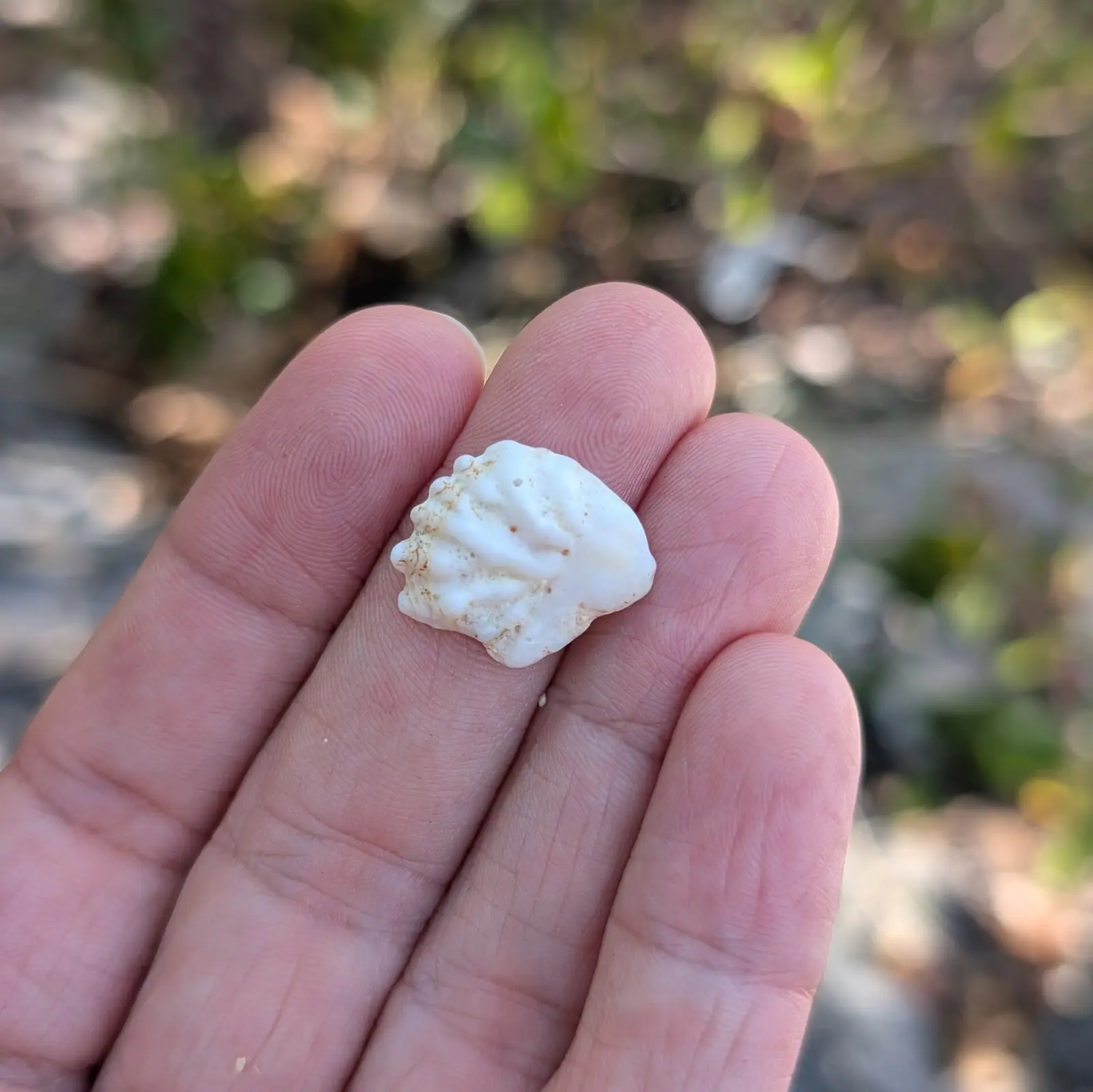
Nothing comes home. No shells, no coral fragments, no starfish. Taking a starfish out of the water to photograph it kills it — that rule belongs to El Cielo, but the principle is the same everywhere on this island.

Feeding fish is not clever. It changes behaviour, concentrates aggressive species and is discouraged by every operator here.
Getting to it, and what it costs

The reef is a natural feature and costs nothing to swim over. Getting to the water is the practical question.

Access runs through the shoreline venue above it, the Money Bar, which has historically operated without a day pass: you walk in, use the ladders and the facilities, and pay for food, drink, a lounger or gear rental rather than for entry. That makes a couple of hours here one of the cheapest genuinely good experiences on the island. Confirm the arrangement on arrival — models here do get revised.

Bring your own mask if you possibly can. A leaking rental mask is the difference between an hour of wonder and an hour of irritation, and this is a site where everything happens in the first metre of water.

The marine park fee applies to people entering Arrecifes de Cozumel National Park by boat to dive or snorkel. Shore snorkellers here have not been charged it. If you take a boat from this shoreline, or book a guided dive that goes out by boat, the fee is a separate per-person daily charge set in pesos — ask whether it is included in the price you were quoted.

Dive shops use this shoreline for training dives and night dives, which is worth knowing if you want to see the toadfish and the octopuses that come out after dark.

Tours that visit Dzul-Ha

Operators run these trips past Dzul-Ha, or stop there as part of a longer route. We list what the booking data supports — not everything that mentions the name.

These go through Viator and earn us a commission. You pay the same as booking direct, and the commission did not choose the list.

Shared departurespriced per seat, best value for one or two

Private and small-group optionsoften cheaper per head for a family or a group of six

  • El Ausente at El Cielo
    Free cancellationPrivate tour

    Low Last Minute Supplier Cancellation Rate

    Exclusive Private Boat to El Cielo (opens in a new tab)

    70 reviews

    Indulge in the exclusivity of a Private Boat tour to Cozumel’s most breathtaking destinations: El Cielo and the world-famous coral reefs…

    4 hours

    Prices checked

    from $419.99
  • Mr Sanchos Romantic Day Beach Pass for Two
    Free cancellationSmall group

    Short term availability

    Mr Sanchos Romantic Day Beach Pass for Two (opens in a new tab)

    455 reviews

    Already married? We have just what you need. Just friends? You can join along too. Come and enjoy. This pass includes the All Inclusive…

    1 hour

    Prices checked

    from $295

Near Dzul-Ha

Straight-line distances, so allow more on the road — the island is long and has one main parkway.

  • A snorkeller floating face-down over a shallow fringing reef close to a rocky shoreline
    Free

    Beach

    The Money Bar Beach Club

    No pass, no buffet, no DJ — a deck over the Dzul-Ha reef, ten minutes from the piers, where you pay for lunch and the fish are free.

    2–5 hoursHistorically no day pass — walk in and pay for what you use: food, drink, a lounger, gear rental.230 ft away

  • Shallow coral heads and sea fans in very clear water close to a rocky shore
    Free

    Beach

    Playa Corona

    A palapa, a ladder and a reef — the least polished of Cozumel's shore snorkels and, for a lot of people, the best one.

    2–5 hoursHistorically no day pass — you eat and drink at the restaurant and use the loungers and water access as part of that.1.7 mi away

  • A snorkeller at the surface over shallow coral close to a rocky shoreline

    Beach

    Sky Reef Beach Club

    Ten minutes from the piers, with reef close enough that the snorkelling is the whole reason anyone books it.

    2–5 hoursChoose between an all-inclusive day pass and a lighter snorkel-and-snack package; gear rental and guided snorkelling are available.1.9 mi away

  • Snorkellers above a shallow coral shelf close to a rocky shoreline in clear water

    Park

    Chankanaab Park

    The one Cozumel gate that buys reef you can swim to from the sand, a lagoon, a garden and a beach, ten minutes from the piers.

    3–7 hoursPaid park, charged per person at the gate with a lower child rate. All-inclusive food and drink packages and the animal programmes are priced separately on top.1.5 mi away

Dzul-Ha: common questions

Is Dzul-Ha the best shore snorkelling in Cozumel?

It is the strongest candidate, and the one most divers and guides on the island name first. A living fringing reef sits a few metres off the rocks in chest-deep to roughly ten-metre water, close enough that you are over coral within a minute of entering, and it is only about eight minutes by taxi from the cruise piers. Playa Corona and Sky Reef further south offer the same idea at a smaller scale. None of the three substitutes for a boat trip to Palancar or El Cielo.

Which way does the current run at Dzul-Ha?

North, as it does along Cozumel's entire leeward coast — it is the same channel current that makes the island's offshore diving a drift. Inshore at Dzul-Ha it is gentle but constant, and it is what tires people out. Swim south first, against it, and let it carry you back to the ladder. The mistake is drifting happily north for twenty minutes and then facing the return. Stay inside the marked area; boat traffic uses this coast.

What fish will you see at Dzul-Ha?

Sergeant majors, blue tangs and blue-headed wrasse immediately, then stoplight and queen parrotfish, which you can hear biting the coral if you put your head under. French and grey angelfish work the ledges, yellowtail snapper hang off them, and southern stingrays rest on the sand between coral heads. Green morays hole up in the overhangs, and spotted eagle rays pass along this coast in the cold months. The endemic splendid toadfish is down there too, but it is a diver's sighting.

Do you pay to snorkel at Dzul-Ha?

Not for the reef, which is open water. Practical access runs through the Money Bar on the shoreline above it, which has historically operated without a day pass — you walk in and pay for food, drink, a lounger or gear rental rather than for entry. That makes a couple of hours here among the cheapest genuinely good things to do on Cozumel. The marine park wristband applies to boat-based entry to the national park, not to swimming off these rocks.

Is Dzul-Ha safe for children to snorkel?

For competent swimmers, yes, with two caveats. The entry is down ladders over sharp ironshore rather than across sand, so something on the feet and an adult on the ladder matters. And the current, though mild inshore, runs north continuously, so keep children upstream of the exit rather than downstream of it. A buoyancy vest is sensible. Anyone unsure should book the short guided shore snorkel rather than working it out in the water.