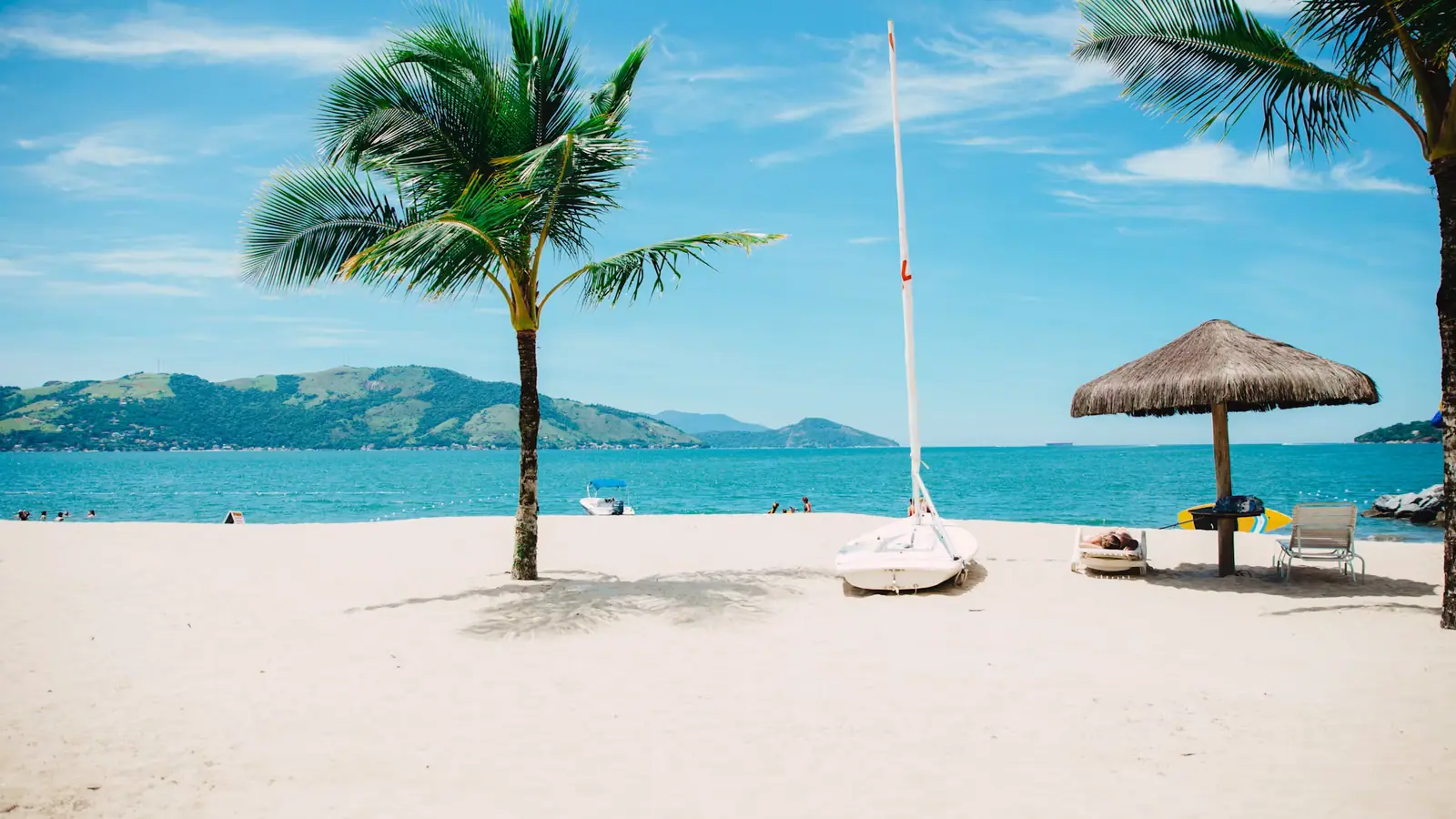
Families do well here for a reason that sounds too simple to matter: the whole west coast of Cozumel is in the island's wind shadow. The sea on that side is usually flat, the entries are shallow, and a child can stand a long way out. Everything on this page happens on that coast.
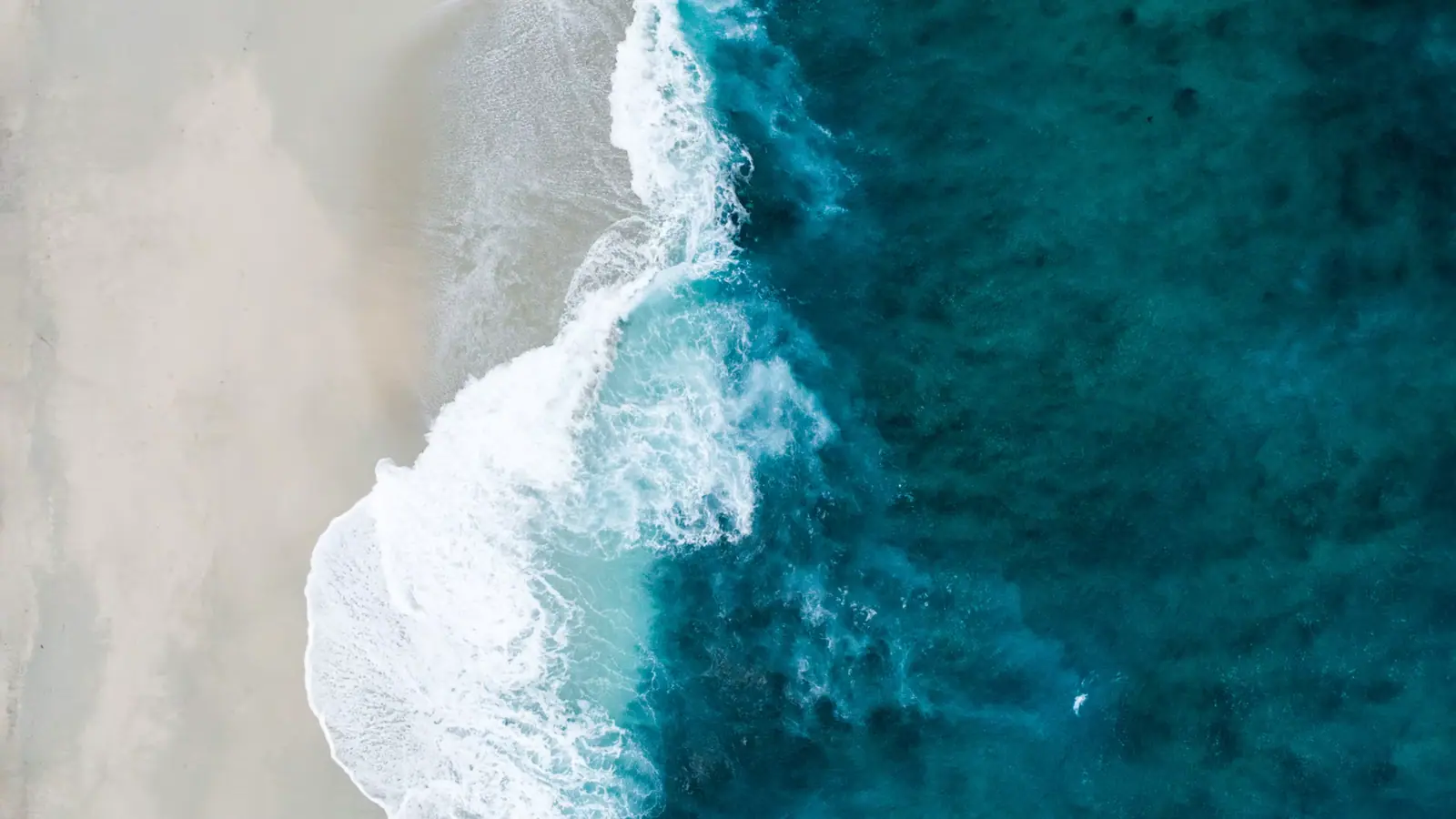
The other coast is the reason this page has a warning in it. The east side faces open ocean with no reef in front of it, the shore break lands hard on a steep beach, the undertow is strong, and there are no lifeguards anywhere along it. It is a wonderful drive and a bad swim, and no age band changes that.
By age band
Babies and toddlers, 0 to 3
Shade is the whole problem and the answer is a place that has some. Chankanaab is the most family-considerate water on the island: a sheltered lagoon, ladder and step entries, paved paths, facilities, and enough tree cover that a nap is possible. The big all-inclusive beach clubs work too if you want pools and food handled in one price, and Mr Sanchos is the most set up for small children among them.
Take the sun seriously. UV here between about eleven and three is severe, and a long-sleeved rash vest and a hat do more than reapplying sunscreen every hour. Plan the beach for the morning and the middle of the day for indoors.
The practical thing nobody warns you about: Cozumel taxis do not generally carry child seats. There are no meters and no booking app, and a seat is not something you can request. Families travelling with an infant either bring their own and accept the fiddle of fitting it, or plan around walking and hotel transfers. It is worth deciding before you land.
Preschool and early school, 4 to 7
This is the age at which the island opens up. Chankanaab again for the lagoon and the botanical garden. Playa Mia for inflatables and slides if that is what your children want out of a holiday. Discover Mexico Park for an hour of scale models of the country's landmarks, which sounds like filler and is genuinely popular with this band.
Glass-bottom boat and submarine trips run from the town piers and are the right answer for a child who is not ready to put a face in the water. The submarine descends properly rather than being a boat with a window, and it works for anyone who does not want to swim at all.
First snorkels belong at Dzul-Ha or in Chankanaab's lagoon, not on a boat. Steps, calm water, somewhere to stand, and a float vest.
Middle childhood, 8 to 12
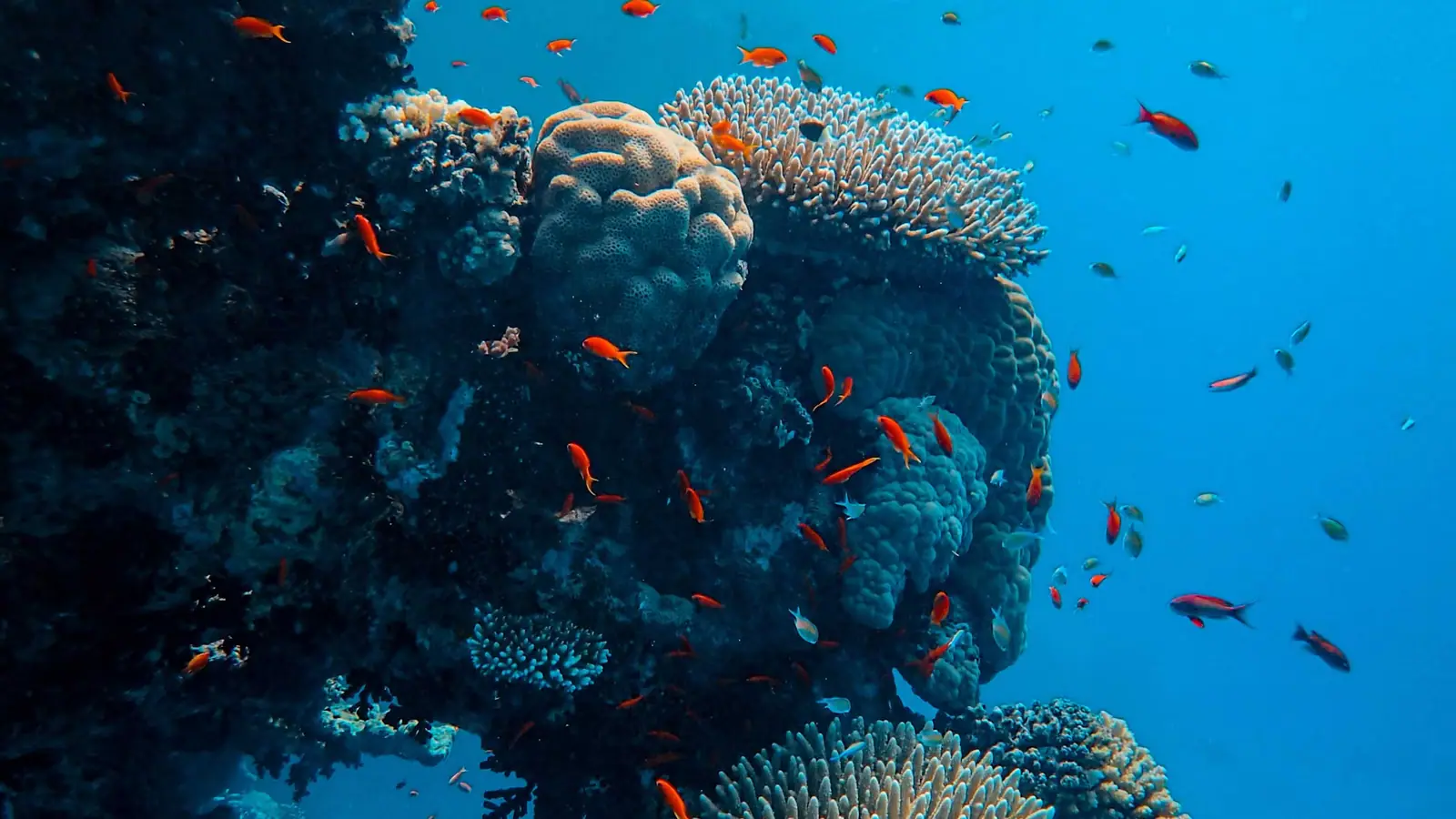
Now the boat trips make sense. A half-day to Palancar and El Cielo is the island's best family morning on the water: coral heads in twenty to forty feet that you look down onto, then a shallow sand flat where the starfish are — and the rule that goes with it, which children take more seriously than adults do. The starfish must not be lifted out of the water. They breathe through it, and a photograph costs the animal its life.
Land days get better too. The Faro Celarain lighthouse at Punta Sur is a climb of well over a hundred steps with no lift, which is exactly the sort of thing this age band enjoys, and the view from the top is the whole southern end of the island. The Laguna Colombia boardwalk has genuine wild crocodiles in it. San Gervasio, the island's principal Maya site, works from about eight upward if someone tells the story: it was dedicated to Ixchel, goddess of the moon and fertility, and Maya women made pilgrimages across the channel by canoe to come here.
Try-dives generally start around this age. Pool-based introductions are often offered from about eight and supervised shallow reef dives from about ten under the main agency standards, but minimums and medical paperwork vary, so confirm with the shop rather than assuming.
Teenagers
Give them the water. A Discover Scuba session on Paradise Reef or Chankanaab Reef is the island's single best teenage day, and Cozumel's shallow reefs are close to an ideal first dive: warm, clear and calm. Junior open-water certification is commonly available from around ten.
Beyond that: ATV and buggy tours (operator age minimums vary and are usually stricter for drivers than passengers), a catamaran to El Cielo, a night snorkel, and San Miguel in the evening after the ships have gone, which is when the malecón stops being a shopping street and turns back into a town.
| Age | The easy day | The ambitious day | Skip |
|---|---|---|---|
| 0–3 | Chankanaab lagoon | An all-inclusive club with a pool | Boats over 90 minutes |
| 4–7 | Dzul-Ha or Playa Mia | Glass-bottom boat or the submarine | Deep-water boat snorkels |
| 8–12 | Half-day boat to Palancar and El Cielo | Punta Sur lighthouse and Laguna Colombia | The east coast water |
| 13+ | Discover Scuba on Paradise Reef | Two-tank dive day or a night snorkel | Scooters |
| Any | The west coast | San Gervasio with the story told properly | Swimming anywhere on the east side |
The water rules children need told once
The current runs north along the leeward shore, all day, and it is stronger than it looks from the beach. Swimming out is easy and swimming back is not. That is the single most common way snorkellers get into difficulty here, and it applies to strong adult swimmers as much as to children. Swim against the current first so the tired leg is the easy one, and stay where an adult can stand.
Coral cuts badly and dies when you stand on it. Float flat with your fins behind you rather than treading water over a reef.
The lagoons are not for swimming. American crocodiles live in Laguna Colombia and the island's mangrove systems, which is why nobody goes in and why the viewing is from a boardwalk.
And the east coast is for looking at. Drive it, eat at Coconuts or Mezcalitos, photograph the surf, and keep everyone above the wet sand.
On a cruise day with children
Keep it to one thing and keep it close. From the International Pier or Puerta Maya, Chankanaab is five to ten minutes away and Paradise Beach is closer still; either fits a six-hour call without any arithmetic. From Punta Langosta, the town, the museum and a glass-bottom boat are all within walking distance of the gangway.
What does not work with small children on a short call: a full boat snorkel, the island loop, or anything involving the mid-afternoon taxi queue at a beach club gate. Leave ninety minutes before all-aboard, not forty-five.
About the dolphin programmes
Chankanaab and one or two other operators on the island run captive dolphin encounter programmes, and they are among the most heavily marketed things sold to families at the piers. Children ask for them. It is worth knowing what the objection is before you decide.
Marine mammal welfare organisations oppose captive dolphin interaction on the grounds that the animals are held in enclosures a fraction of the range they would use in the wild, that the programmes are driven by visitor demand rather than by the animals' needs, and that the supply chain for captive dolphins has a difficult history. Operators point to on-site veterinary care, to animals born in human care rather than taken from the wild, and to conservation and education programmes. Both of those descriptions contain true things.
We are not going to tell you what to do with your own family's morning. We will say that the choice is a real one rather than a formality, that it is worth a ten-minute read before you book, and that if you would rather see dolphins without the question attached, they are wild in the channel and turn up on boat trips without anyone arranging it.
The alternatives that scratch the same itch for children: the submarine, the glass-bottom boats, and a first snorkel in Chankanaab's lagoon, where the fish are wild, free and about four feet away.
Heat, water and other practicalities
Drink bottled or purified water, which is what everyone on the island does, and be firm about it with children who will otherwise drink from a tap out of habit. Restaurants use purified water and ice as standard; roadside stops on the east coast are a different proposition.
The heat peaks between about eleven and three. Beach in the morning, something shaded in the middle of the day, back out at four when the light softens and the shore reefs empty. This also puts you on the right side of the summer afternoon storms, which build fast, rain hard and clear.
Food is easy here and the fussiest eater will find something. Quesadillas, grilled fish, rice and beans, and fresh fruit are everywhere. Three or four blocks inland from the malecón the prices halve and the cooking generally improves. Agua fresca is the local soft drink and comes in flavours children have not met.
Bring a mask that fits your child. Rental masks are sized for adults and a leaking mask ruins a first snorkel permanently. A float vest is worth packing too — most boat operators carry them, but they carry a finite number and on a full catamaran they go first.
Pharmacies are plentiful in San Miguel and staffed by people used to sunburn, sea urchin spines and upset stomachs. That is the first stop for anything minor, and it is quicker than anything else.
Last updated
Opening hours, ordinances and prices move with the season. We re-check this guide rather than rewrite it, and the date above is the last time someone did. How we research and correct.