Skip to content
Search
Menu

These go through Viator and earn us a commission. You pay the same as booking direct, and the commission did not choose the list.

Snorkelers floating above a shallow coral head in clear turquoise water off a Caribbean reef

Things to Do

Cozumel Snorkeling

Last updated

Where to snorkel in Cozumel: Palancar and El Cielo by boat, Dzul-Ha and Playa Corona from shore. Prices, the park fee, and what fits a cruise day.

Cozumel snorkels better than almost anywhere in Mexico for one geographical reason: the reef is close to shore, the west coast is the leeward side, and the current that makes the diving famous also keeps the water clear. You are looking at the northern end of the Mesoamerican Barrier Reef, and in several places it comes near enough to the beach that you can walk in off a sun lounger and be over living coral inside two minutes.

That produces two completely different kinds of snorkelling day, and picking the wrong one is the most common mistake visitors make here. Boat snorkelling runs south from the town piers to the reefs the dive boats use — Palancar and Colombia — plus El Cielo, a shallow sand flat in water clear enough to read through, known for the starfish that sit on the bottom. These trips are three to five hours, usually include gear and often a bar, and take you over structure that shore snorkelling cannot reach. Shore snorkelling is cheaper, slower and entirely on your own schedule. The reef at Dzul-Ha, in front of the Money Bar, starts a few metres off the steps. Sky Reef, further south, is a purpose-built shore-entry spot. Playa Corona and Chankanaab's sheltered lagoon do the same job at different prices.

Cruise passengers should default to the boat if the call is long enough. A four-hour catamaran to Palancar and El Cielo is comfortably the highest-value use of six to eight hours ashore, and the piers are close enough that a 9am departure and a 2pm return leaves a margin against all-aboard. If the ship arrives late, or if you have young children, shore snorkelling at a west-coast beach club is the safer plan: you can leave whenever you like and the taxi back to the pier is fifteen minutes.

Overnight visitors get the options nobody on a ship can take. Early morning, before the boats arrive, is the best light and the calmest water. Late afternoon at Dzul-Ha when the day-trippers have gone is genuinely quiet. And a night snorkel or a dawn swim off the shallow reefs near town is a different island entirely.

Two things to know before you get in the water. The marine park fee applies to snorkellers as well as divers inside park boundaries, per person per day, and it is usually not in the advertised price. And the starfish at El Cielo are alive. Standing on them or lifting them out of the water to photograph them kills them slowly, which is why local operators have gotten increasingly firm about it. Look, float, do not touch.

Our picks

The ones we would book

  • Editor's Pick

    Best half-day reef and El Cielo trip

    Why we chose it

    The trip that shows you the island's two best snorkel experiences in one morning: coral heads and sand chutes at Palancar, then the shallow starfish flat at El Cielo. Look for a 9am departure so you reach the first mooring ahead of the midday convergence, and an operator that briefs the drift and the no-touch rule rather than just opening the bar.

  • Best for Cruise Passengers

    Best snorkel trip on a cruise day

    Why we chose it

    Three to four hours, departing from a pier-adjacent marina, back with real margin against all-aboard. This is the highest-value use of six hours ashore in Cozumel, because the reef is twenty minutes away and the alternative uses of the same time involve a taxi queue. Confirm the operator asks for your ship and all-aboard time.

  • Best for Families

    Best snorkel day with young children

    Why we chose it

    A sheltered lagoon or a shore-entry beach club beats a boat for anyone under about eight. Ladder or step entry, shallow water, no drift, a bathroom and somewhere to buy lunch. The reef fish are the same ones the boats go looking for, and you can get out the moment someone has had enough.

    El Cielo
    Best for FamiliesFree cancellationInstant confirmation

    Low Supplier Cancellation Rate

    The Cozumel Turtle Sanctuary Snorkel Tour (opens in a new tab)

    1.2K reviews

    We're known for operating the best all-inclusive snorkel experiences on the island of Cozumel.Traveling to some of the most beautiful…

    4 hours

    Prices checked

    from $63.69
  • Small Group

    Best small-boat snorkel trip

    Why we chose it

    Six to twelve people instead of forty changes what the guide can do: a proper briefing, a second pass over the good section of Palancar, and time in the water rather than time queueing on a swim platform. Better for photographers and for anyone who has not snorkelled in open water before.

  • Best Value

    Best value trip on the water

    Why we chose it

    The lower-priced shared boats reach the same moorings at Palancar and Colombia as the premium catamarans, because there are only so many places to tie up. You give up the lunch and the open bar. Check whether gear and the marine park fee are included, because that is where the cheap price usually hides.

    Cozumel ClearBoat Adventure with Snorkeling
    Best ValueFree cancellationInstant confirmation

    Low Supplier Cancellation Rate

    Cozumel ClearBoat Adventure with Snorkeling (opens in a new tab)

    313 reviews

    Perfect For Families and Couples! Hope on aboard a unique experience in the only 100% transparent boat in the World. This is definitely a…

    1–2 hours

    Prices checked

    from $42.75Usually $45
  • Best Private Tour

    Best private boat for a group

    Why we chose it

    Once you are six or more, a private three-hour charter usually costs less per head than individual seats and lets you set the hour. That matters here: leaving at 8am puts you over Palancar before the day boats arrive, and no scheduled trip will do that for you.

    El Ausente at El Cielo
    Best Private TourFree cancellationPrivate tour

    Low Last Minute Supplier Cancellation Rate

    Exclusive Private Boat to El Cielo (opens in a new tab)

    70 reviews

    Indulge in the exclusivity of a Private Boat tour to Cozumel’s most breathtaking destinations: El Cielo and the world-famous coral reefs…

    4 hours

    Prices checked

    from $419.99

The reefs worth your mask time

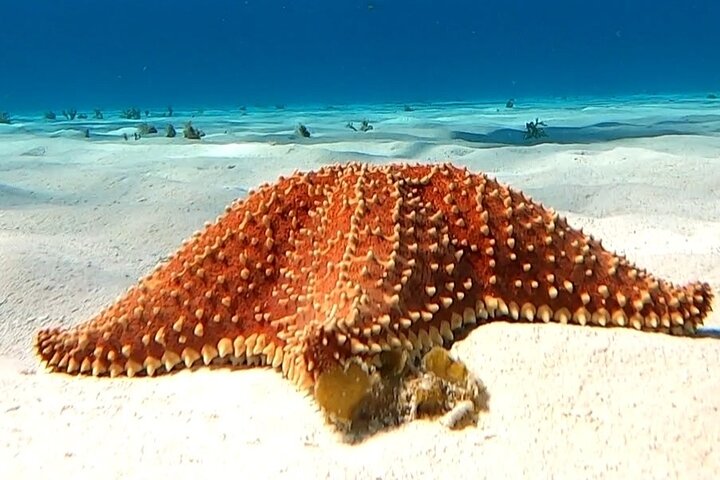
El Cielo. A shallow sand flat off the southwest tip, reachable only by boat, in water so clear the bottom looks closer than it is. The draw is the cushion starfish resting on the sand in three to six feet of water. It is not a coral site; it is a swimming and floating site, and it is usually the last stop on a half-day trip because the boats raft up and the bar opens.

Palancar. The famous one. Big coral heads, channels and sand chutes in 20 to 40 feet, which means you are looking down at structure rather than swimming through it. Snorkel boats work the shallower shoulder while the dive boats go deeper.

Colombia Shallows. Next door to Palancar and gentler. Coral gardens in shallower water, often calmer, and a common second stop.

Dzul-Ha, in front of the Money Bar. The best shore snorkel on the island for most people. Steps into the water, a reef that starts within metres, minimal current on a normal day, and a restaurant behind you. Entry is generally free; loungers are charged.

Sky Reef. Purpose-built for shore snorkelling further down the west coast, with a modest entry fee that typically includes a chair, and gear packages available.

Playa Corona. Cheap, small, local, with reef directly offshore. A good second stop on a jeep day heading south.

Chankanaab. Park entry buys you a sheltered lagoon, easy ladder entries, facilities, and the least intimidating water on the island. It is the right answer for families and nervous swimmers, and the wrong answer if you want wild reef.
What snorkelling costs in Cozumel

What it costs

Bands rather than quotes — confirm current pricing when you book.

  • Half-day boat snorkel, two or three reef stops: commonly $45 to $90 per person. Catamaran trips with open bar and lunch sit at the top of that range and above.
  • Private boat for a family or small group: typically $400 to $700 for three to four hours, which becomes sensible at six or more people.
  • Shore entry at a beach club: free at some spots, up to about $25 elsewhere, often credited against food and drink or including a lounger.
  • Gear rental: roughly $10 to $20 a day for mask, snorkel and fins.
  • Chankanaab park admission: a per-person park fee in the region of $25 to $35 for adults, with child rates, and various add-ons priced separately. Verify before you go.
  • Marine park fee: in the region of 200 to 250 pesos per person per day inside park waters, charged on top.

Bring your own mask if you have one that fits. Rental masks are the single biggest cause of a bad snorkel, and a leaking mask over Palancar is a waste of the trip. A cheap prescription mask is worth packing if you wear glasses.

Pay in pesos where you can. Dollars are accepted island-wide but at an exchange rate set in the shop's favour, and the gap on a family's day adds up.

Best time of day and time of year

When to go

Morning wins, consistently. The west coast is calmest before the afternoon breeze fills in, the light angles into the water rather than glaring off it, and the boat moorings at Palancar are not yet stacked with catamarans. A 9am departure typically has the reef to itself for the first stop.

Midday is the crowded hour at the popular moorings, roughly 11am to 2pm, because that is when the cruise-day boats converge. If you are staying on the island, you have no reason to be there then.

Late afternoon is the shore-snorkel window. Dzul-Ha and Playa Corona empty out after about 4pm, the light goes gold, and the reef fish are active.

Across the year, water temperature runs from about 78°F in February to the mid-80s in late summer, so most people snorkel without a wetsuit. A rash guard does more good than a suit does, because sunburn across the back of the legs is the standard snorkelling injury here.

Two seasonal facts worth planning around. Hurricane season runs June to November, with the real risk concentrated August to October. And in winter, nortes — northerly wind events — can whip up the west coast and close the port to small boats for a day or two at a time, usually somewhere between December and February. That is the main reason a boat trip gets cancelled here, and it is worth having a flexible day in the itinerary.

Sargassum: the honest comparison with the mainland

Sargassum seaweed has been arriving on the Caribbean coast in large seasonal volumes for years, and it is genuinely the thing that ruins beach days in Playa del Carmen and Tulum, typically worst from roughly April through August with year-to-year variation.

Cozumel's west coast is far less affected, and the reason is geography rather than luck. The island's leeward side faces the channel, sheltered from the open Caribbean, and the drift that piles weed onto the mainland's east-facing beaches largely passes Cozumel's sheltered shore by. It is one of the most practically useful comparative facts about the island: in a bad sargassum year, the snorkelling and beach days on Cozumel's west coast usually still work when the mainland's do not.

That is a comparison, not a guarantee. The east coast of Cozumel does get sargassum, sometimes heavily, because it faces the same open water the mainland does. And a strong onshore wind can push weed onto the west shore for a few days. If you are travelling in peak season and it matters, look at recent photographs from the specific beach club rather than a seasonal forecast, and remember that boat trips to Palancar and El Cielo are unaffected by whatever is on the sand.

Book it

Everything else we track

These go through Viator and earn us a commission. You pay the same as booking direct, and the commission did not choose the list.

Sharing, or having it to yourselves

Most of what is bookable here sells two ways, and the cheaper one is not always the cheaper one. A shared departure is priced per person; a private booking is priced for the party, so the arithmetic flips somewhere around four to six people — and it is the only version where you pick the time. Check the party size each listing actually covers before you decide.

  • Book a seat

    A shared departure, priced per person. The cheapest way to do this for one or two people.

    Shared Snorkeling Tour Playa El Cielo in Cozumel
    Free cancellationInstant confirmation

    Curated Catalog

    Shared Snorkeling Tour Playa El Cielo in Cozumel (opens in a new tab)

    108 reviews

    We offer a tour with all security measures Our Guides are fully certified Visits to the Palancar reefs, Arrecife Colombia, as well as the…

    4 hours

    Prices checked

    from $46.06Usually $49
  • Book the whole thing

    Priced for the party rather than the seat, and you choose the departure time.

    El Shulooo
    Free cancellationPrivate tour

    Top Product

    El Cielo Snorkel by Private Boat (opens in a new tab)

    374 reviews

    - Private and comfortable vessels - Snorkel at world famous reefs - Spectacular marine life and coral formations - Stop over at a secluded…

    4 hours

    Prices checked

    from $499.99

Boat reefs or shore reefs: how to choose

How they compare

The two formats are not competing versions of the same day. They suit different people and different clocks.

Boat snorkellingShore snorkelling
Typical cost$45–$90 per personFree to about $25 for a lounger or entry
Time needed3 to 5 hoursAs long or short as you like
Reefs reachedPalancar, Colombia, El Cielo, ParadiseDzul-Ha, Sky Reef, Playa Corona, Chankanaab, Playa Palancar shallows
Water depth15 to 40 feet over structure3 to 15 feet, mostly
CurrentReal; you drift and the boat collects youUsually mild, close to shore
Best forCruise days, first-timers who want the famous reefsFamilies, repeat swims, budget, your own schedule
DownsideFixed schedule, crowded moorings middayYou do not see the big coral heads

If you only snorkel once in Cozumel, take a boat. The coral formations at Palancar are on a scale shore reefs cannot match, and El Cielo's sandbar is genuinely unlike anywhere else on the island.

If you are here for several days, do both. A morning boat trip for the headline reefs, then a lazy second afternoon walking into the water at Dzul-Ha with your own mask, which costs a taxi fare and whatever you spend at the bar.

One caveat on the boat trips: many are sold as party catamarans with an open bar. Snorkelling and unlimited tequila are a poor combination in open-water current. If the reef is the point, book the operator that sells it as a snorkel tour rather than a booze cruise.

What to bring snorkelling

What to bring

  • Your own mask, if you have one. It is the difference between a good hour and a frustrating one.
  • A rash guard or swim shirt. Far more effective than reapplying sunscreen mid-trip, and better for the reef.
  • Reef-safe sunscreen for the parts the shirt does not cover. Oxybenzone-based products are discouraged in the marine park.
  • Pesos in cash for the marine park fee, beach club entry, loungers and taxis.
  • A dry bag or waterproof phone pouch. Boats are wet and there is nowhere dry to put anything.
  • Water shoes if you are shore-entering anywhere other than a sand beach. Several west coast entries are over rock and old ironshore.
  • A towel from your hotel, because the boats rarely have them and the beach clubs charge.
  • Motion sickness tablets the night before, if the catamaran is a three-stop trip in the afternoon.

Do not bring gloves. Do not bring anything you would mind losing over the side. And leave the selfie stick with the starfish alone.

Current, starfish and the things that catch people out

Before you book

The current runs here too. Snorkel guides brief a drift the same way dive guides do, because the same water that makes the diving famous moves you along the surface. On boat trips, stay with the group and let the boat come to you. Off the beach, swim into the current first and drift back, not the other way around.

Do not touch, lift or stand on the starfish at El Cielo. They breathe through the water; lifting one out for a photograph suffocates it and repeated handling kills them. Operators are increasingly blunt about this and they are right to be. The same applies to conch, urchins and anything else on the bottom.

Do not stand on coral. It is living animal colony, it takes decades to grow what a fin takes seconds to break, and it will cut you badly enough to end the trip.

Boat traffic is real. The west coast has dive boats, ferries and jet skis moving constantly. Snorkel with a bright rash guard or a float, and do not swim out beyond a beach club's marked area.

The east coast is not a snorkelling coast. Open Caribbean, strong currents and undertow, no reef protection. The beaches there are magnificent and a few of them are swimmable in calm conditions, but snorkelling belongs on the west side.

Watch the alcohol. Open-bar catamaran trips are popular and fun. Drinking then getting into moving water in 30 feet of visibility is how people get into trouble, and the crew cannot see everybody at once.

On the ground

Where to go

Every place below has its own page — hours, parking, what it costs and what to expect when you get there.

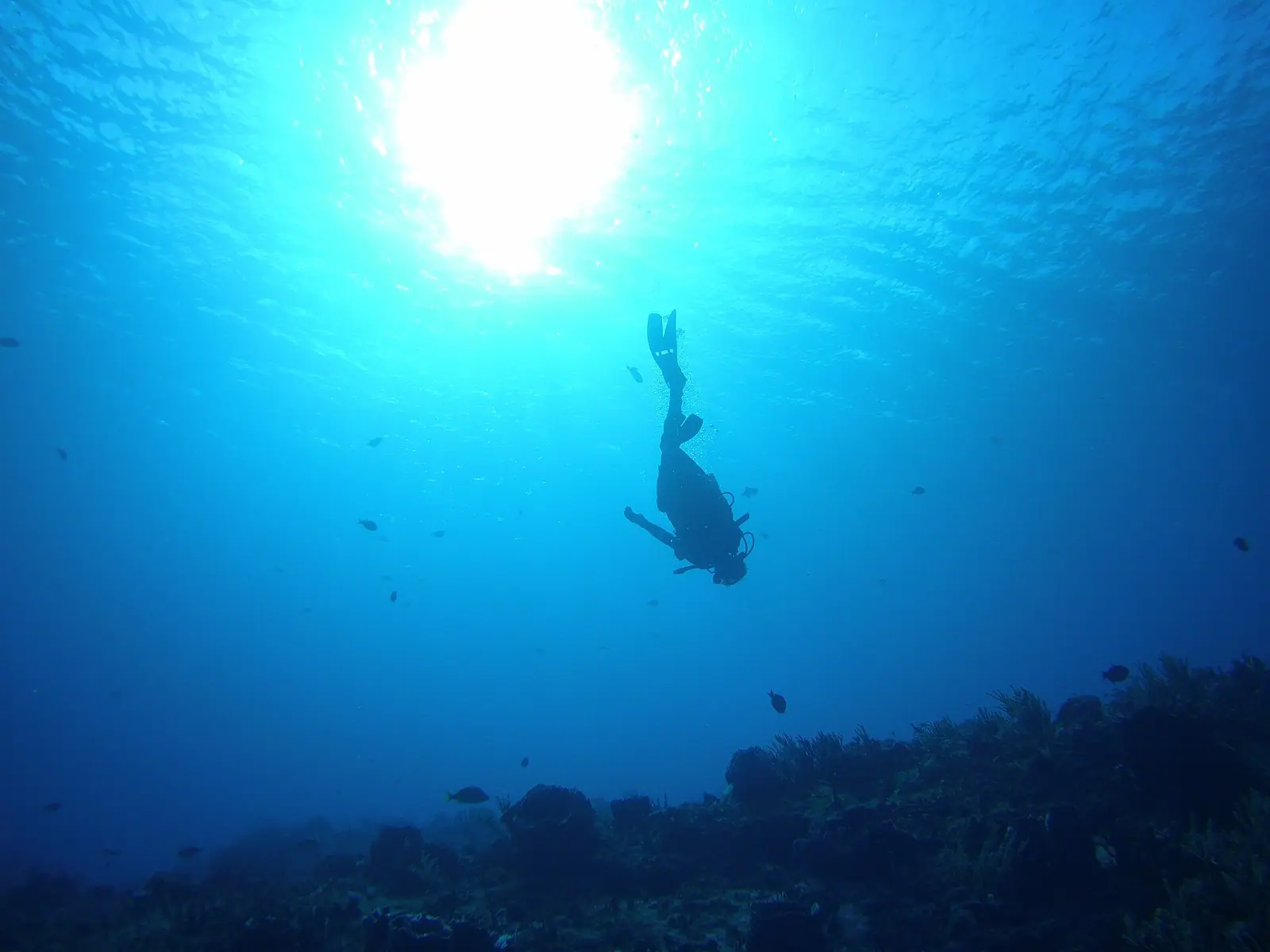
  • A diver drifting along the face of a coral wall in very clear blue water, the reef dropping away below

    Water feature

    Palancar Reef

    Three and a half miles of coral wall off Cozumel's southwest shelf, sold as one name and dived as four very different sites.

    4–6 hoursNot free in practice: you need a boat, and everyone entering the national park by boat pays a per-person daily park fee on top of the trip.

  • Tall coral formations rising from a white sand seabed in very clear blue water

    Water feature

    Columbia Reef

    Cozumel's southernmost big reef, and the one place where the same name sells a 90-foot pinnacle dive and a waist-deep snorkel stop.

    4–7 hoursNot free in practice: reachable only by boat, and every person entering the national park by boat pays a per-person daily park fee on top of the trip price.

  • Coral heads, sea fans and sponges on a shallow fringing reef in very clear water
    Free

    Water feature

    Dzul-Ha Reef

    A living reef close enough to the rocks that you are over coral within a minute of going down the ladder.

    1–3 hoursThe reef itself is free to swim over. Shoreline access has historically been free at the venue above it, with food, drink, loungers and gear rental charged separately.

  • Coconut palms leaning over a quiet curve of pale sand beside flat clear water

    Beach

    Playa Palancar

    Real palm shade, no DJ, and a ten-minute boat ride to Palancar Gardens and the El Cielo sandbar.

    3–7 hoursA modest day pass covering a lounger and umbrella; food, drink, boat trips and rentals are charged separately.

  • A snorkeller floating face-down over a shallow fringing reef close to a rocky shoreline
    Free

    Beach

    The Money Bar Beach Club

    No pass, no buffet, no DJ — a deck over the Dzul-Ha reef, ten minutes from the piers, where you pay for lunch and the fish are free.

    2–5 hoursHistorically no day pass — walk in and pay for what you use: food, drink, a lounger, gear rental.

  • A large cushion sea star resting on rippled sand beneath shallow clear water, photographed from above without being handled

    Wildlife

    El Cielo

    A waist-deep sand flat off the island's southwest tip where sea stars sit on open sand in water clear enough to read through.

    3–5 hoursNot free in practice: boat access only, and everyone entering the national park by boat pays the per-person daily park fee on top of the trip.

  • Snorkellers above a shallow coral shelf close to a rocky shoreline in clear water

    Park

    Chankanaab Park

    The one Cozumel gate that buys reef you can swim to from the sand, a lagoon, a garden and a beach, ten minutes from the piers.

    3–7 hoursPaid park, charged per person at the gate with a lower child rate. All-inclusive food and drink packages and the animal programmes are priced separately on top.

  • A small boat at anchor over clear shallow water off an undeveloped mangrove shoreline

    Nature preserve

    Cozumel Pearl Farm

    A working oyster farm on a roadless shore, visited by one small boat a day and booked months ahead by people who like that.

    5–7 hoursPaid tour, booked in advance, typically covering the boat, the guided farm and lab visit, snorkelling gear and lunch on site.

  • A low coral ridge with sponges and sea fans in shallow, brightly lit water

    Water feature

    Paradise Reef

    Thirty to fifty feet of easy reef a few minutes south of the cruise piers, and the best night dive on the island.

    2–4 hoursNot free in practice: boat access, plus the per-person daily national park fee charged to everyone entering the park by boat.

  • Shallow coral heads and sea fans in very clear water close to a rocky shore
    Free

    Beach

    Playa Corona

    A palapa, a ladder and a reef — the least polished of Cozumel's shore snorkels and, for a lot of people, the best one.

    2–5 hoursHistorically no day pass — you eat and drink at the restaurant and use the loungers and water access as part of that.

  • A snorkeller at the surface over shallow coral close to a rocky shoreline

    Beach

    Sky Reef Beach Club

    Ten minutes from the piers, with reef close enough that the snorkelling is the whole reason anyone books it.

    2–5 hoursChoose between an all-inclusive day pass and a lighter snorkel-and-snack package; gear rental and guided snorkelling are available.

  • A large cruise ship berthed at a concrete pier on a calm Caribbean coast
    Free

    Marina

    Puerta Maya Cruise Pier

    The southern pier: a shopping village at the gangway, the beach clubs twenty minutes south, and San Miguel three miles up the road.

    0.5–1 hoursFree to walk through as a cruise passenger. The terminal is not a public attraction and there is no general access from the road.

Straight answers

Questions people actually ask

Where is the best snorkeling in Cozumel?

By boat, Palancar and Colombia on the southwest reefs, usually combined with El Cielo, a shallow sand flat known for cushion starfish. From shore, the reef at Dzul-Ha in front of the Money Bar is the best all-round option, with Sky Reef and Playa Corona as alternatives further south and Chankanaab's sheltered lagoon as the easiest water on the island. All of it sits on the northern end of the Mesoamerican Barrier Reef.

Can you snorkel from the beach in Cozumel?

Yes, and it is one of the island's real advantages. On the west coast the reef comes close enough to shore that several beach clubs have steps or ladders straight into living coral. Dzul-Ha, Sky Reef, Playa Corona and Chankanaab all work this way. Entry is free at some, up to roughly $25 at others. Bring your own mask, wear a rash guard, and check the wind before you commit to a long swim.

How much does a snorkeling tour cost in Cozumel?

A half-day shared boat trip with two or three reef stops generally runs $45 to $90 per person, with catamaran trips including lunch and open bar sitting at the top of that range. A private three-to-four-hour charter is commonly $400 to $700 and makes sense from about six people. Gear rental is roughly $10 to $20 a day. The marine park fee, in the region of 200 to 250 pesos per person per day, is usually charged separately.

Is snorkeling in Cozumel good for beginners?

Very. Water temperature sits between about 78°F and the mid-80s year-round, visibility is high, and the sheltered west coast means calm conditions most days. The one thing beginners underestimate is current: this is a drift island and the water moves even at the surface. Start at a sheltered spot like Chankanaab or Dzul-Ha, use a flotation vest if you want one, and stay with the guide on boat trips.

Do snorkelers have to pay the Cozumel marine park fee?

Yes. The per-person, per-day conservation fee applies to snorkelling inside Parque Nacional Arrecifes de Cozumel, not just diving. It currently sits in the region of 200 to 250 Mexican pesos, roughly $12 to $15, and is collected by your operator or beach club rather than paid at a gate. It is often not included in the advertised tour price, so ask when you book and carry pesos in cash.

Can you touch the starfish at El Cielo?

No, and please do not. The cushion starfish at El Cielo breathe through water; lifting one out for a photograph suffocates it, and repeated handling kills them over time. Standing on them does the same. Local operators have become steadily firmer about this because the population visibly thinned during the years when everyone was posing with them. Float above, look down, keep your hands to yourself.

Does sargassum affect snorkeling in Cozumel?

Far less than on the mainland. Sargassum hits the Riviera Maya's east-facing beaches hard, typically worst from roughly April through August, but Cozumel's west coast is sheltered from that drift and usually stays comparatively clear. The island's east coast does get it. And boat trips to Palancar, Colombia and El Cielo are unaffected by what is on the sand, because you are snorkelling offshore.

Is snorkeling worth it on a cruise day in Cozumel?

It is arguably the best use of six to eight hours ashore. The reefs are twenty to thirty minutes from the piers by boat, a three-to-four-hour trip leaves a comfortable margin against all-aboard, and no other Cozumel activity gives you that much for the time. If your ship arrives after about 10am, switch to a shore-snorkel beach club instead so you control your own departure.