Skip to content
Search
Menu

These go through Viator and earn us a commission. You pay the same as booking direct, and the commission did not choose the list.

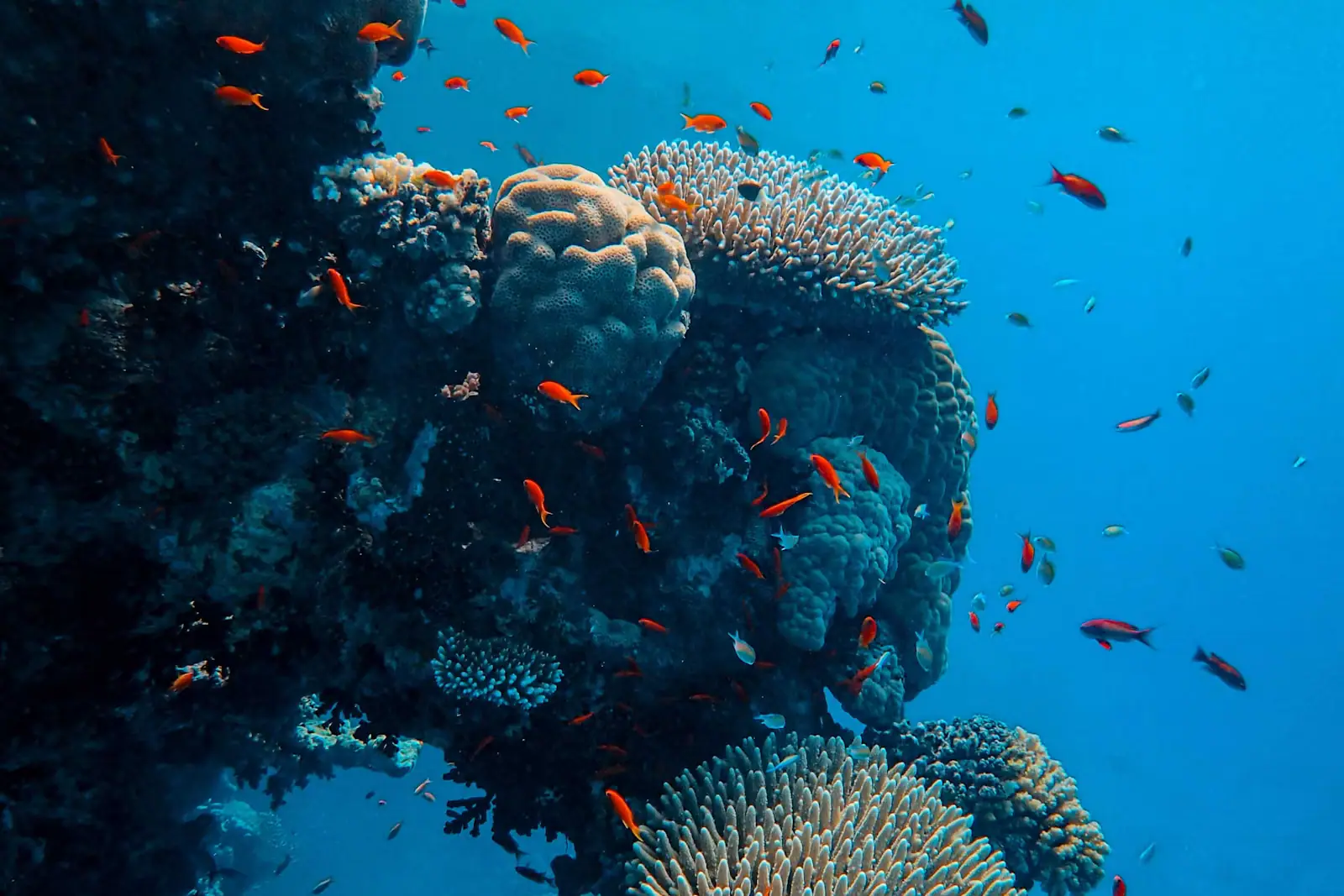
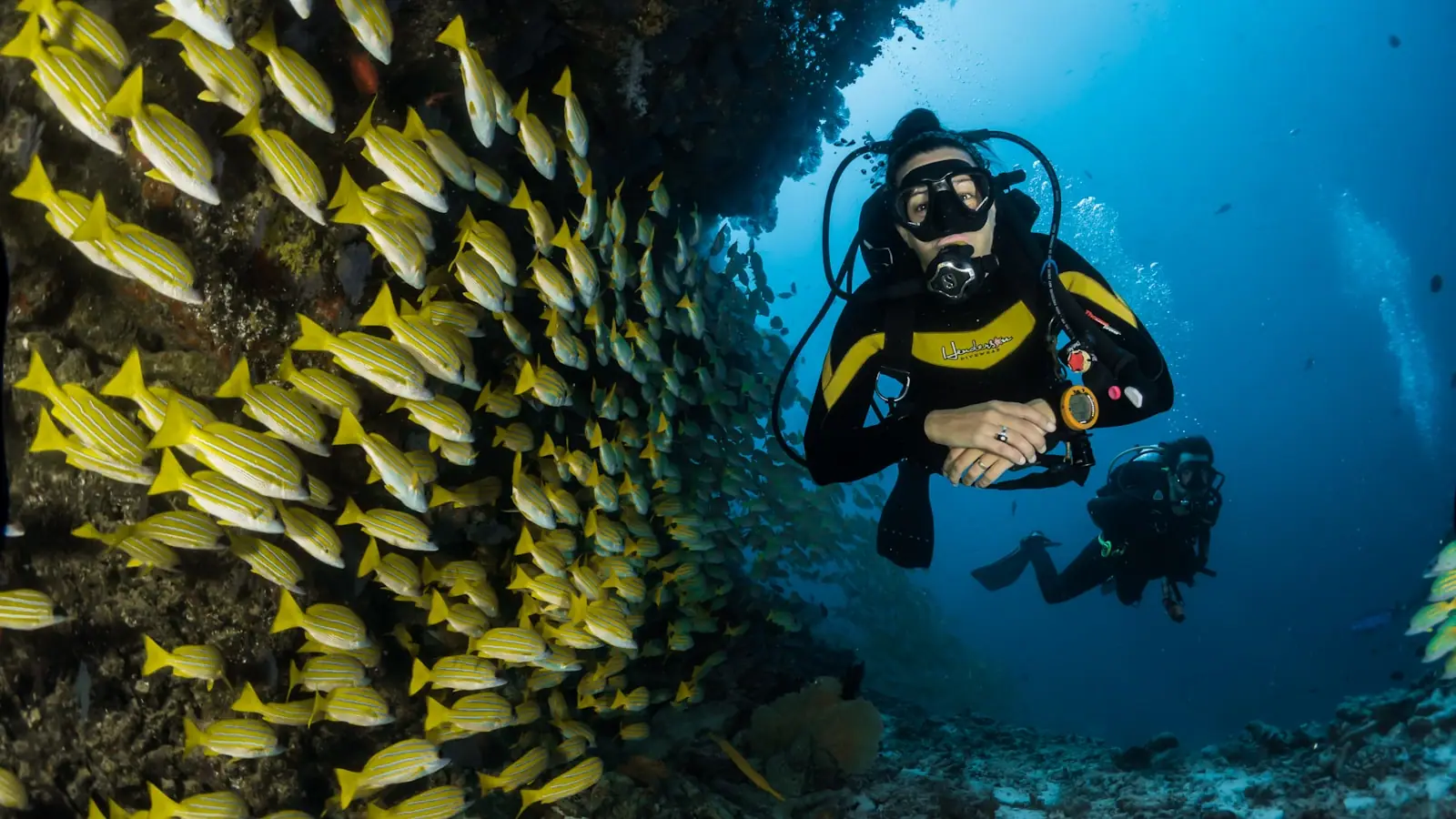
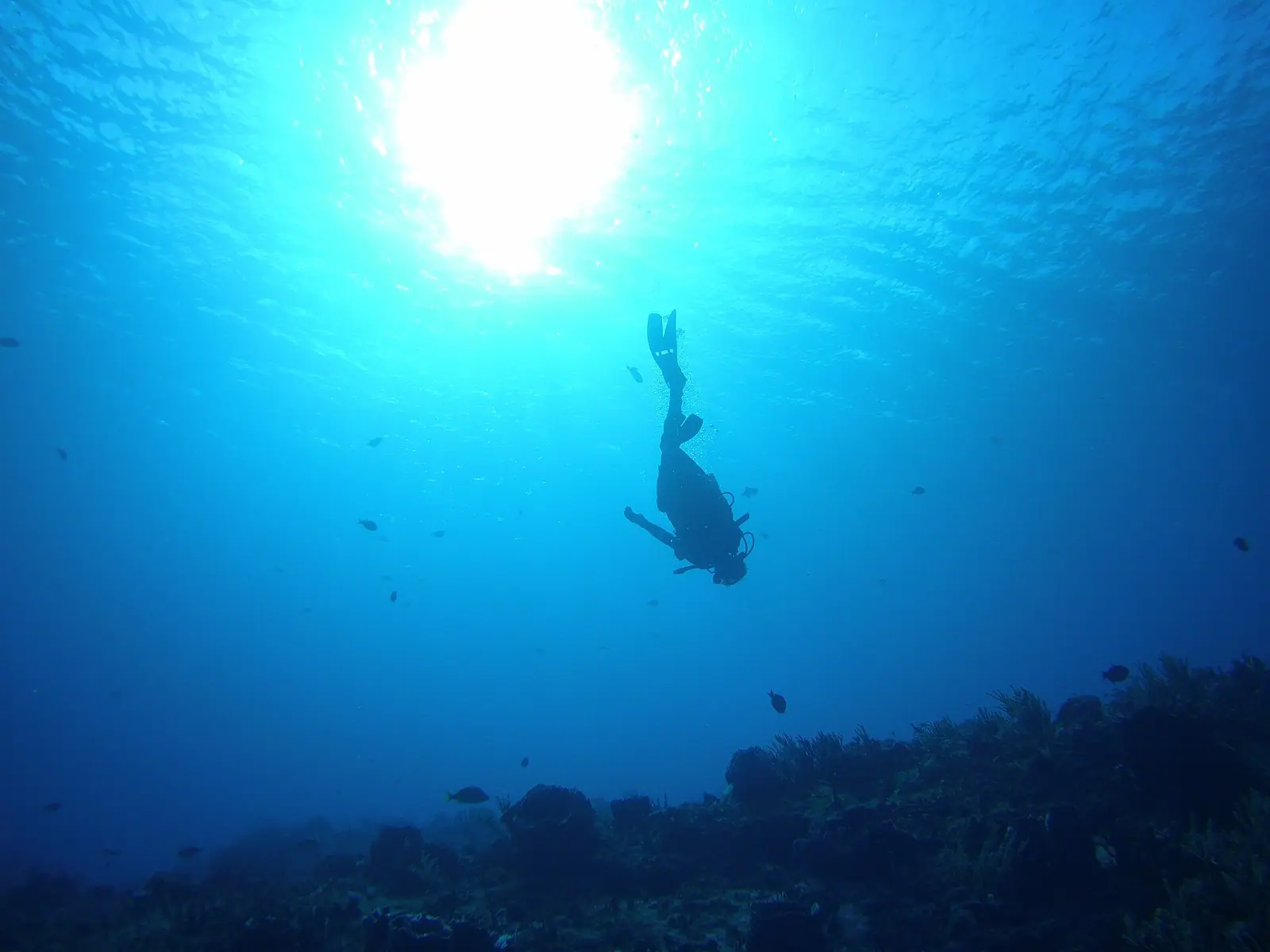
A diver drifting along the face of a coral wall in very clear blue water, the reef dropping away below
Matthewselig2019

Water feature

Palancar Reef

Last updated

Three and a half miles of coral wall off Cozumel's southwest shelf, sold as one name and dived as four very different sites.

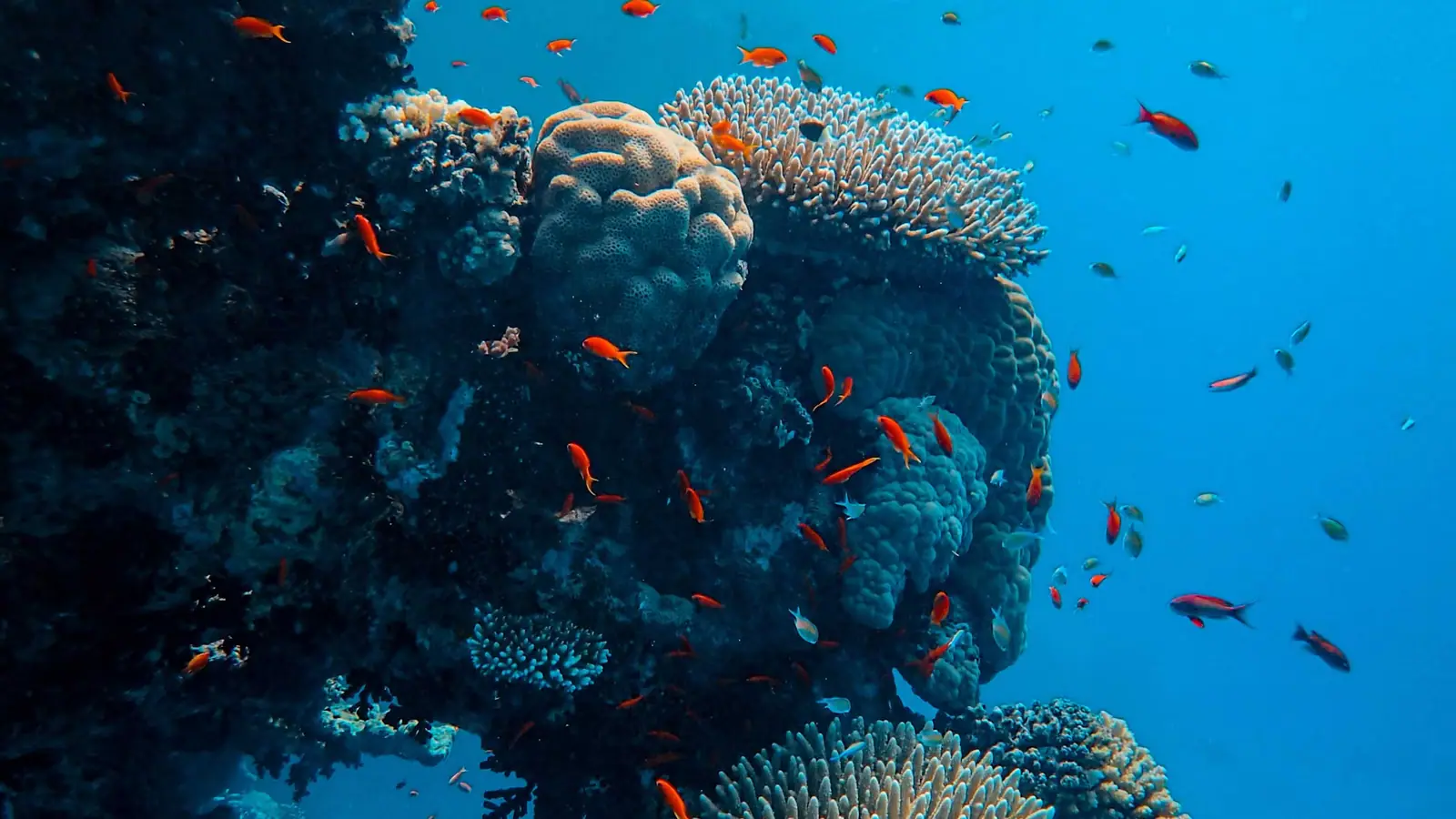
Palancar is the reef most people mean when they say they want to dive Cozumel, and it behaves less like a site than an address. The formation runs roughly three and a half miles along the island's southwest shelf, and operators have long since carved it into four named sections that dive like separate places: Gardens at the north end, then Horseshoe, then Caves, then Bricks furthest south. Published depths across the whole thing run from about fifty feet down past a hundred and ten. Which section the boat picks decides almost everything about your morning.

Gardens is the shallow end, and the one a shop will put a newer diver on: rounded coral heads separated by white sand channels, long bottom times, and enough light left at depth that the sponges still read red rather than grey. Horseshoe is the photograph everyone has seen, a crescent-shaped notch cut back into the wall and filled with coral pinnacles and barrel sponges wide enough to sit inside. Caves is the maze — tunnels, chimneys and cuts through the reef crest that you swim into and out of rather than past, which is why it rewards people who have their trim sorted out. Bricks is the deep one, the most southerly and the least forgiving, and it is where a shop sends experienced divers rather than the group off the morning cruise boat.

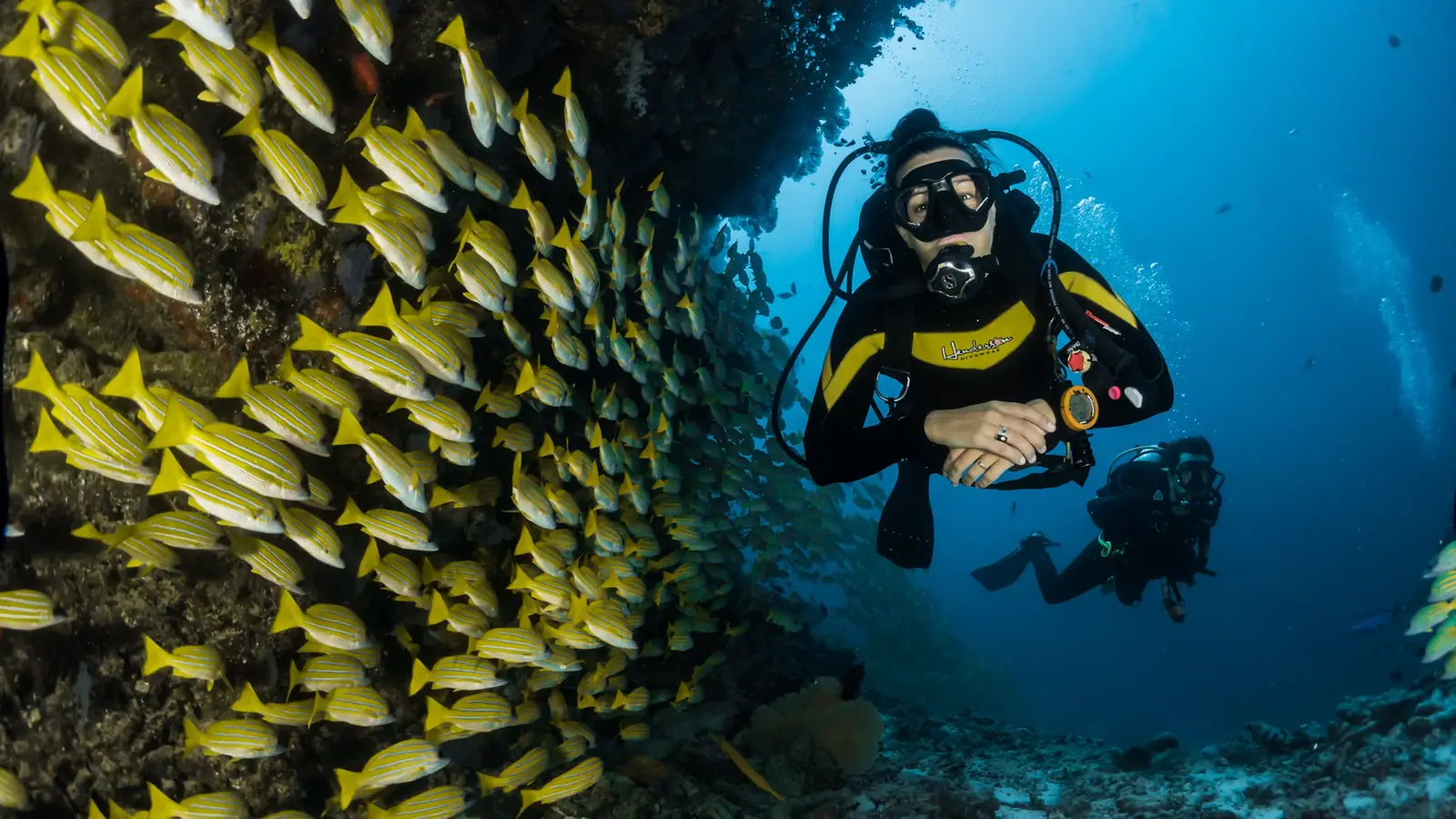
What links all four is the current. Cozumel is drift diving. You do not swim the reef; the water carries you north along it while the boat tracks your bubbles and collects you wherever you surface. That changes the etiquette more than the technique. Stay with the group, do not try to kick back to a coral head you have already passed, and sort your buoyancy before you are alongside the wall rather than on it.

Two rules here are law, not preference. Everyone entering Arrecifes de Cozumel National Park by boat pays a per-person daily park fee set in pesos. Gloves are generally prohibited on Cozumel dives, on the straightforward logic that a diver wearing them is more likely to grab the reef. Standing on coral is prohibited outright.

Snorkellers get Palancar too, but a different Palancar: boats work the shallow shelf above Gardens, not the wall.
Getting there and parking

Boat access only. Palancar lies off the island's southwest shelf, and there is no shore entry that reaches it — the nearest land is Playa Palancar, a beach club with a dive dock on the coast road south of the hotel strip, and even from there the reef is a boat ride rather than a swim.

Most two-tank morning boats leave from docks in San Miguel, from the hotel piers along the west coast, or from the southern beach-club docks. From the town docks, allow somewhere around forty-five minutes of running time each way to the southern reefs; from the southern docks it is considerably less, which is why shops that keep a boat down there can fit more dive into the same morning.

Cruise passengers land at Punta Langosta in town, or at the International and Puerta Maya piers roughly three miles south. Either way you are taking a fixed-fare taxi or an operator transfer to the dock. Agree the taxi fare before you get in; there are no meters on the island.

The four Palancars, and which one you actually want

Ask for "Palancar" and you will get whichever section your operator has planned, so ask by name instead.

  • Palancar Gardens — the shallowest and most forgiving. Coral heads in sand channels rather than a continuous wall, moderate current, good light. The right answer for a first Cozumel dive, a refresher, or anyone who wants a long bottom time over a short deep one.
  • Palancar Horseshoe — a horseshoe-shaped bite out of the wall, roughly fifty to a hundred feet, thick with pinnacles and very large barrel sponges. Intermediate. The most photographed section and the one most likely to have another boat's group in frame.
  • Palancar Caves — swim-throughs, tunnels and chimneys cut into the reef crest. Nothing overhead is long, but it is genuinely three-dimensional and it punishes sloppy buoyancy. Ask for it by name if this is the kind of diving you like; some shops default away from it with mixed groups.
  • Palancar Bricks — deepest, most southerly, sheerest drop. Advanced. Nitrox is common here for a reason, and so is a shorter, more disciplined profile.

If you are booking a two-tank morning, a sensible pairing is a deeper section first and Gardens second, which is also the standard surface-interval logic every Cozumel shop already works to.

How a drift dive here actually runs

The current along the Cozumel wall generally sets from south to north, and it varies from a gentle push to something that moves you along the reef faster than you would choose to swim. The boat does not anchor. It drops you, follows your bubbles, and picks you up where you finish, which means the dive has no fixed endpoint and no swim back.

Practical consequences, in the order they catch people out:

  • Negative or quick entries are normal. You roll in, get down, and group up below the surface rather than milling about on top getting separated.
  • Do not chase. If you swim back against the flow to look at something, the group is already fifty metres away and you are burning gas at depth.
  • Stay off the reef. There is nothing to hold on to and no reason to; the current is doing the work.
  • Surface with an SMB and stay with your buddy. Cozumel boat traffic is heavy over the southern reefs on a cruise-call morning.
  • Weight yourself honestly. Overweighting and a wall are a bad combination, and the descent along a drop-off gives you no visual bottom reference.

None of this is difficult, but it is different from a moored reef dive, and a first-timer who has only ever dived from an anchored boat should say so in the briefing rather than after.

The park fee, the gloves and the things that get you stopped

Palancar sits inside Arrecifes de Cozumel National Park, and the rules there are enforced by the park rather than left to operators.

The fee. Anyone entering the park by boat to dive or snorkel pays a per-person daily charge, set in pesos and collected as a wristband. It has been raised more than once in recent years, so treat any figure you read as indicative and ask your shop directly whether it is inside your quoted price or collected separately at the dock. It is a legal requirement, not a markup.

Gloves. Generally prohibited on Cozumel dives. The reasoning is behavioural rather than squeamish: a diver in gloves grabs things. If you need hand protection for a medical reason, raise it with the shop in advance rather than turning up wearing them.

Contact. Touching, kneeling on or standing on coral is prohibited. So is taking anything, living or dead.

Sunscreen. Reef-safe products are the norm on Cozumel boats and some operators will ask you to rinse off. Apply well before you board, or skip it in favour of a rash guard.

None of these are new or unusual, but the density of visitors here means the park takes them seriously.

Snorkelling Palancar, which is not the same reef

Palancar appears on plenty of snorkel itineraries, and it is worth understanding what that means. Snorkel boats work the shallow shelf above and inshore of Gardens, in water measured in tens of feet rather than hundreds. You are looking down onto the top of the system, not along the face of a wall. It is genuinely good — big coral heads, sand channels, reliable fish — but a diver's description of Palancar will not match what you saw, and that mismatch causes a lot of disappointed reviews.

Two other things shape the experience. The same current runs here, so this is a drifting snorkel where the boat repositions rather than a swim-out-and-back from an anchored hull. And the shallow Palancar stop is usually sold bundled with Columbia Shallows and El Cielo on the same three-stop southern run, which is a long boat day and a good one.

Playa Palancar on the shore opposite is a separate thing again: a calm beach club with a dive dock, reachable by road, from which you can reach reef by boat in minutes. You cannot swim to Palancar Reef from it.

Cruise day or overnight stay

If you are off a ship, Palancar is achievable but it is the far end of the island. From Puerta Maya or the International Pier you have a taxi or transfer south to a dock, then a boat run to the southern reefs that is typically forty-five minutes or more each way depending on where the shop departs from. A two-tank southern morning eats most of a six-to-eight-hour call. Book with an operator who knows your ship and your all-aboard time, build in an hour of slack, and never take the last boat of the day. The other constraint is medical rather than logistical: do not dive on the morning you fly, and leave the recommended surface interval before altitude.

If you are staying on the island, Palancar is a lazy proposition. Morning two-tank boats leave from town and from the southern hotel docks, you are back for lunch, and you can dive the southern reefs on consecutive days and get a different section each time. This is also how you get Caves and Bricks, which rarely appear on a single-morning cruise itinerary.

Visibility is best in the calmer months and after a settled spell. In winter, a norte can put enough wind down the channel to shut the small-boat fleet for a day or two, which is an argument for not saving the dive for your last morning.

Tours that visit Palancar

Operators run these trips past Palancar, or stop there as part of a longer route. We list what the booking data supports — not everything that mentions the name.

These go through Viator and earn us a commission. You pay the same as booking direct, and the commission did not choose the list.

Shared departurespriced per seat, best value for one or two

Private and small-group optionsoften cheaper per head for a family or a group of six

  • El Ausente at El Cielo
    Free cancellationPrivate tour

    Low Last Minute Supplier Cancellation Rate

    Exclusive Private Boat to El Cielo (opens in a new tab)

    70 reviews

    Indulge in the exclusivity of a Private Boat tour to Cozumel’s most breathtaking destinations: El Cielo and the world-famous coral reefs…

    4 hours

    Prices checked

    from $419.99
  • Mr Sanchos Romantic Day Beach Pass for Two
    Free cancellationSmall group

    Short term availability

    Mr Sanchos Romantic Day Beach Pass for Two (opens in a new tab)

    455 reviews

    Already married? We have just what you need. Just friends? You can join along too. Come and enjoy. This pass includes the All Inclusive…

    1 hour

    Prices checked

    from $295

Near Palancar

Straight-line distances, so allow more on the road — the island is long and has one main parkway.

  • Tall coral formations rising from a white sand seabed in very clear blue water

    Water feature

    Columbia Reef

    Cozumel's southernmost big reef, and the one place where the same name sells a 90-foot pinnacle dive and a waist-deep snorkel stop.

    4–7 hoursNot free in practice: reachable only by boat, and every person entering the national park by boat pays a per-person daily park fee on top of the trip price.2.2 mi away

  • A diver hanging beside a vertical coral wall that drops away into deep blue water

    Water feature

    Santa Rosa Wall

    The reef crest sits at about fifty feet and then simply stops, and everything below it is blue for as far as your light goes.

    3–5 hoursNot free in practice: dive-boat access only, plus the per-person daily national park fee that applies to everyone entering the park by boat.2.5 mi away

  • A large cushion sea star resting on rippled sand beneath shallow clear water, photographed from above without being handled

    Wildlife

    El Cielo

    A waist-deep sand flat off the island's southwest tip where sea stars sit on open sand in water clear enough to read through.

    3–5 hoursNot free in practice: boat access only, and everyone entering the national park by boat pays the per-person daily park fee on top of the trip.3.1 mi away

  • Coconut palms leaning over a quiet curve of pale sand beside flat clear water

    Beach

    Playa Palancar

    Real palm shade, no DJ, and a ten-minute boat ride to Palancar Gardens and the El Cielo sandbar.

    3–7 hoursA modest day pass covering a lounger and umbrella; food, drink, boat trips and rentals are charged separately.1.7 mi away

Palancar: common questions

Do you need to be an advanced diver to dive Palancar Reef?

Not for all of it. Palancar Gardens is regularly dived by newly certified Open Water divers, with moderate current and coral heads in sand channels rather than a sheer wall. Horseshoe and Caves suit intermediate divers with settled buoyancy. Bricks, the deepest and most southerly section, is where shops want experience and often nitrox. The bigger requirement everywhere is comfort with drift: the boat does not anchor and there is no swimming back.

Can you snorkel at Palancar Reef?

Yes, but on the shallow shelf above the northern end rather than on the wall itself. Snorkel boats work water measured in tens of feet, where you look down onto big coral heads and sand channels. It is genuinely good snorkelling and it is usually sold as part of a three-stop southern run with Columbia Shallows and El Cielo. What it is not is the vertical drop-off divers describe, so set expectations accordingly.

How much is the Cozumel marine park fee?

It is a per-person daily fee set in pesos and collected as a wristband from anyone entering Arrecifes de Cozumel National Park by boat to dive or snorkel. The amount has been raised more than once in recent years, so any figure quoted online may be stale. Ask your operator directly whether it is included in the price you were given or collected separately at the dock. It is a legal requirement rather than an operator's add-on.

Why are gloves not allowed when diving in Cozumel?

Because divers wearing gloves handle the reef. The prohibition is behavioural, and it sits alongside the wider rule against touching, kneeling on or standing on coral. Cozumel's reefs carry a very heavy visitor load for their size, and contact damage compounds. If you have a medical reason to need hand protection, raise it with the operator before the trip rather than arriving with gloves on.

Can I dive Palancar on a cruise day?

Yes, with care. Palancar is at the far end of the island, so a southern two-tank morning typically means a transfer from the pier plus forty-five minutes or more of boat running each way. That fills most of a six-to-eight-hour call. Book with an operator that works to ship schedules, tell them your all-aboard time, build in an hour of slack, and never take the last departure of the day.