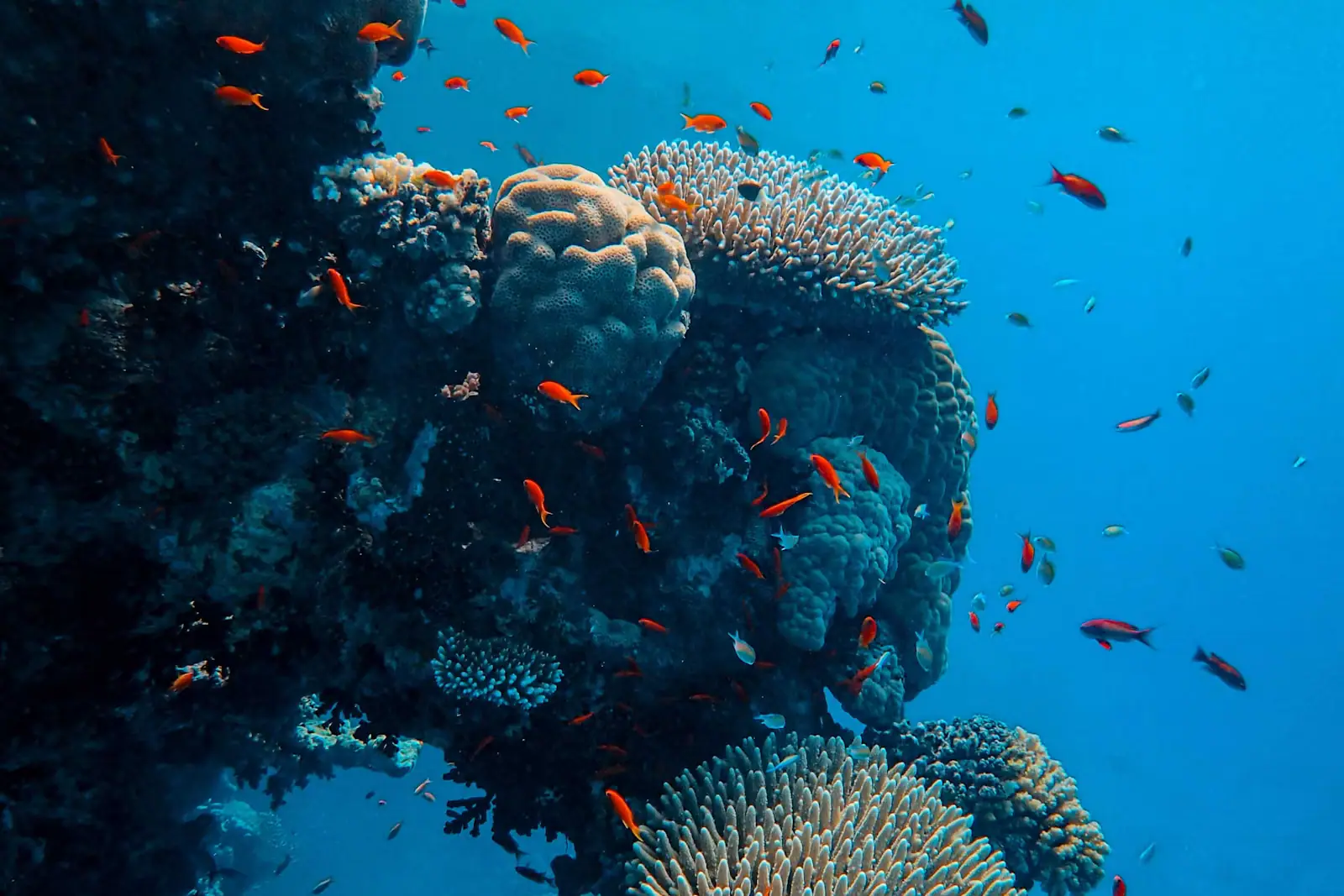
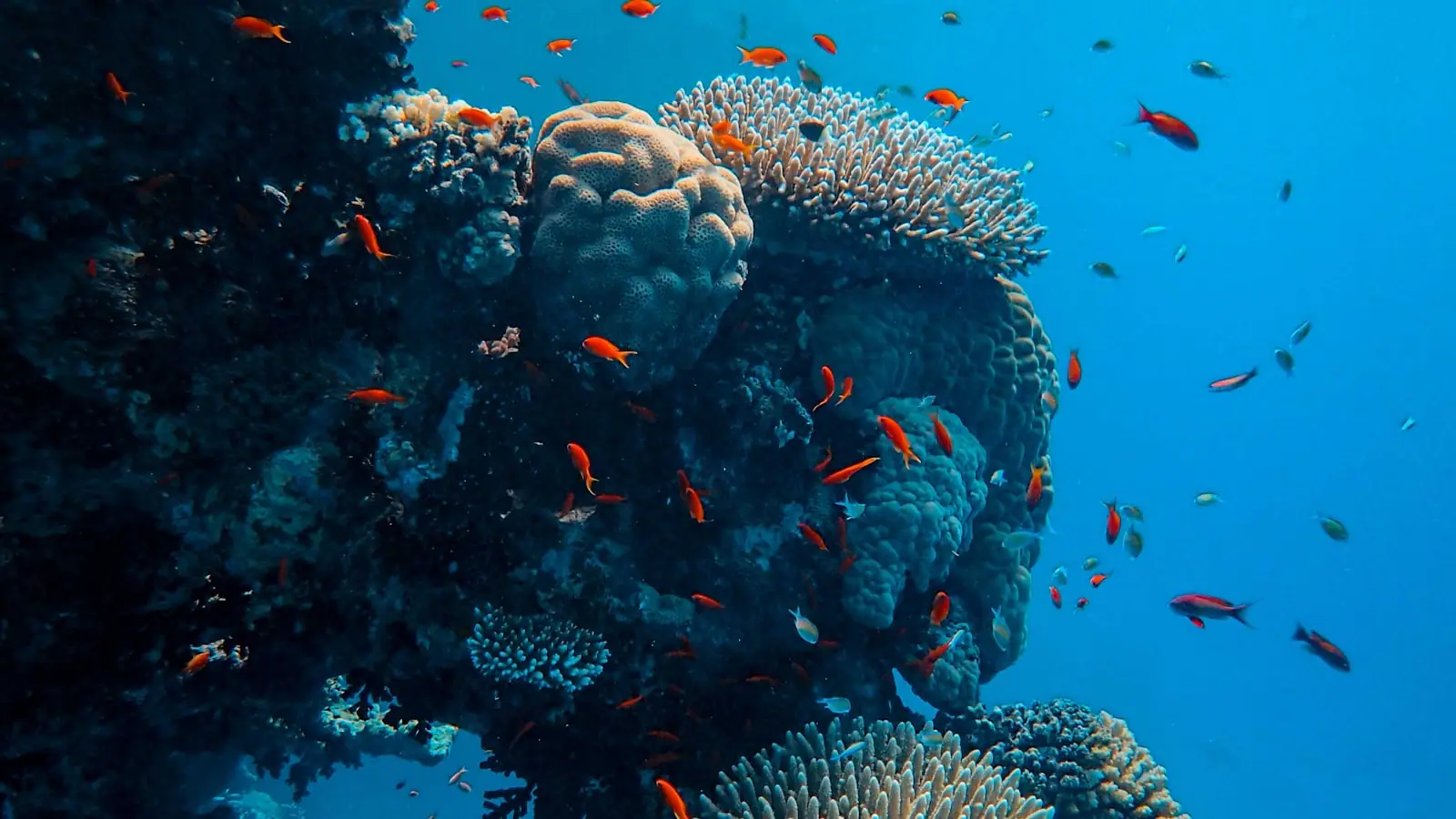
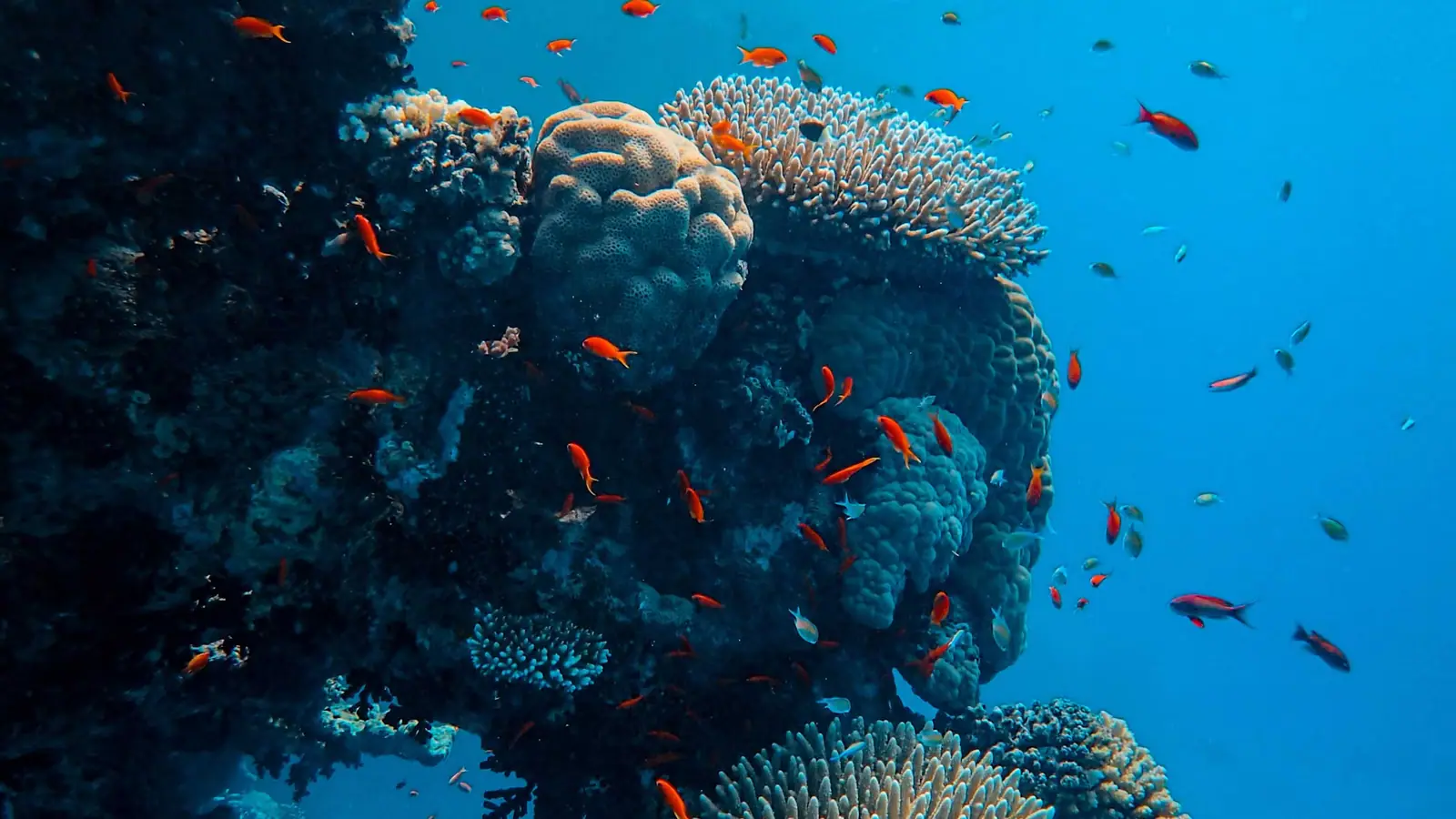
Columbia sits at the southern end of Cozumel's reef line, past Palancar and close enough to the island's tip that the boat ride is the longest of the standard southern run. That distance is the whole point. Fewer boats get down here, the water tends to be clearer, and the structure is the biggest on the island: coral pinnacles rising thirty or forty feet off the sand like towers, separated by canyons and cut through with swim-throughs.
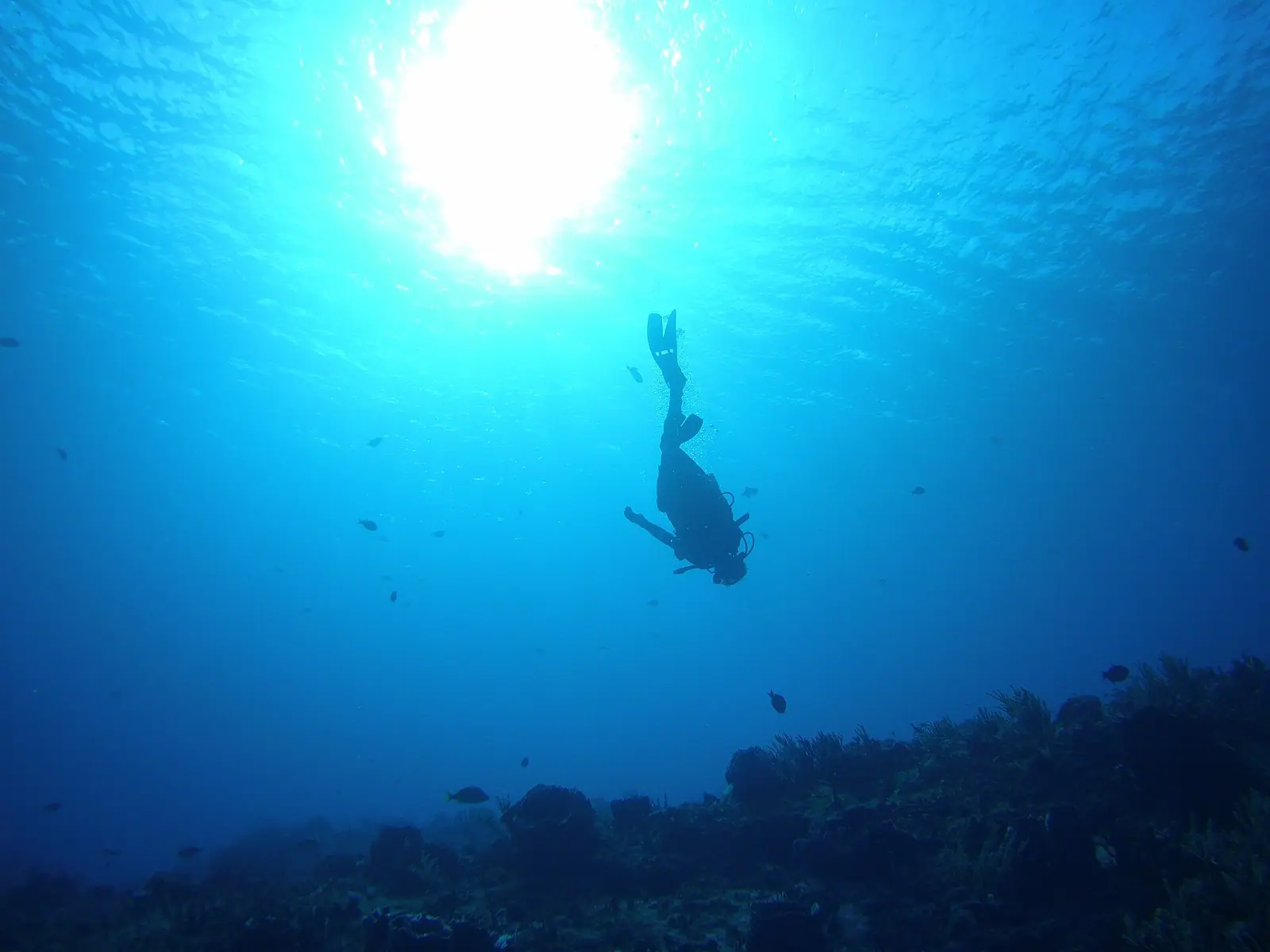
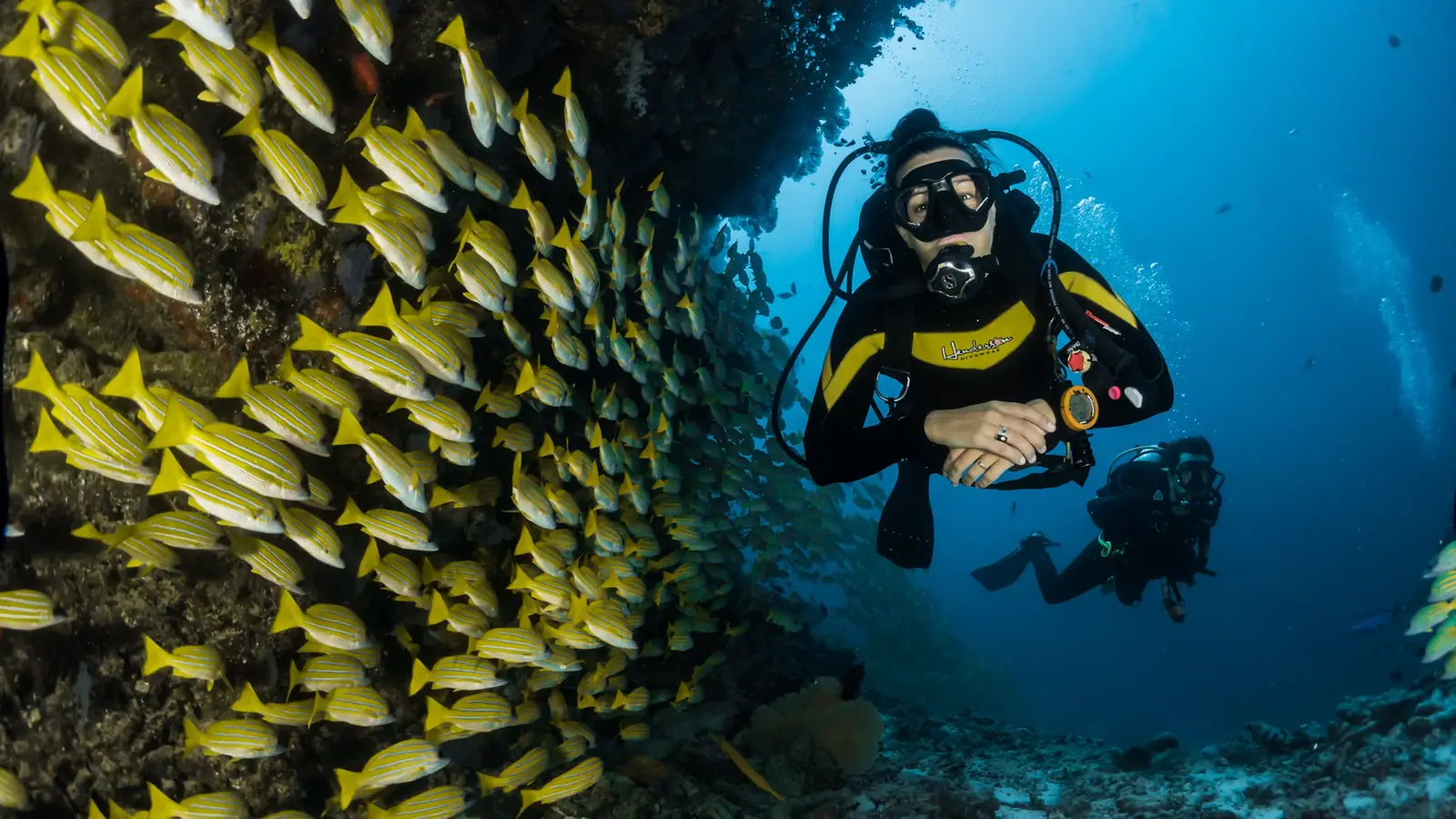
The catch is that "Columbia" describes two sites that have almost nothing in common except a name and a stretch of coast. Columbia Deep is the one divers mean. The pinnacles sit in something like eighty to ninety feet of water, the current runs north between them, and the profile is a slow drift through a series of towers and cuts with the blue on your left the whole way. It is where Cozumel most reliably produces the animals people came for: eagle rays crossing the sand channels, turtles parked in the coral, the occasional nurse shark folded under a ledge. It is not a first dive. Buoyancy matters in the swim-throughs, gas planning matters at that depth, and most shops want you comfortable with drift before they take you.
Columbia Shallows, a short hop inshore, is a different reef entirely: a garden in twenty to thirty feet of water, bright, busy and calm enough that it appears on nearly every snorkel itinerary on the island, usually bundled with shallow Palancar and El Cielo on the same three-stop southern boat.
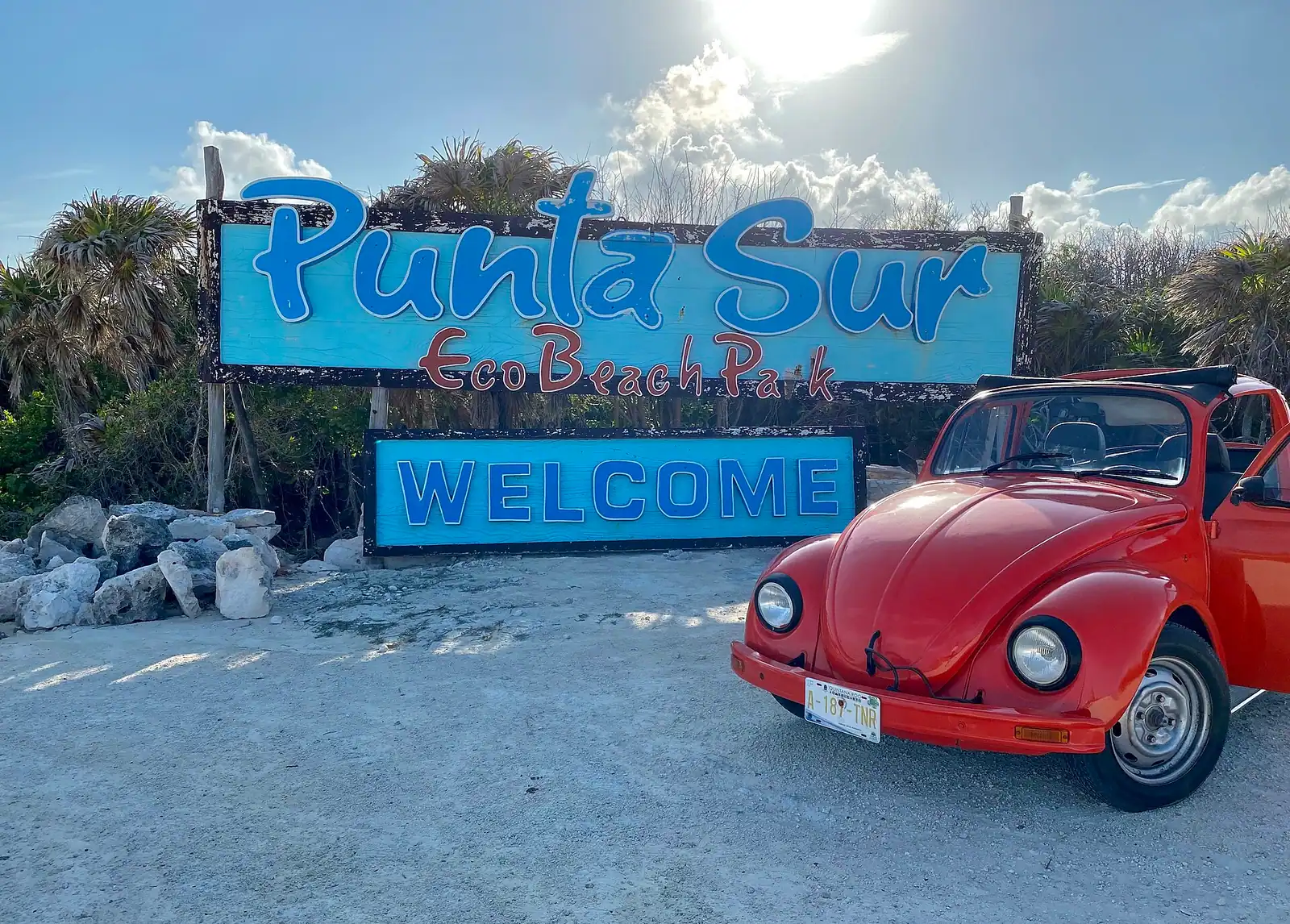
You will see the name spelled both ways here. Columbia and Colombia are used more or less interchangeably on Cozumel, including on signage for Laguna Colombia inside Punta Sur, whose mangrove system is the reef's neighbour on land. Nobody local will correct you.
Everything here sits inside Arrecifes de Cozumel National Park. The per-person daily park fee applies, gloves are generally prohibited, and standing on coral is not permitted. On a reef made of tall, fragile structures with current running between them, that last one stops being an abstraction.