Skip to content
Search
Menu

These go through Viator and earn us a commission. You pay the same as booking direct, and the commission did not choose the list.

Calm morning water and clear sky over the leeward west coast of Cozumel with a dive boat heading south

Plan your trip

The Best Time to Visit Cozumel

Last updated

When to visit Cozumel: water temperature and visibility month by month, hurricane season, the winter nortes that close the port, and the cruise-ship calendar.

Cozumel does not have a bad season so much as three overlapping ones, and knowing which you have booked into matters more than the temperature. The water sits between about 78 and 86 degrees Fahrenheit all year, the air rarely drops below the low seventies even in January, and the reef is there in every month. What changes is wind, rain risk and how many ships are in port.

The Atlantic season is open from June 1 until November 30, and on Cozumel the part of it that actually costs people days is the back third, mid-August into October. Very few visitors ever see a landfall. What they see is the island version of the problem. A system still hundreds of miles out pushes swell up the channel, the harbourmaster closes the port to small craft, and the dive boats, the snorkel catamarans and often the Playa del Carmen ferry all stop together. You are on an island, and for a day or two there is no water route off it. Cozumel remembers Wilma, which stalled over the island in October 2005 and rearranged parts of the reef as well as the town. None of that is an argument for writing the late summer off. Those are the cheapest weeks of the year and most of them are fine. It is an argument for insurance bought on the same day as the flights, and a schedule with slack in it.

Norte season is the one nobody tells you about. From roughly November through March, cold fronts push down from the north and bring hard north winds. The harbourmaster closes the port to small boats and sometimes to the Playa del Carmen ferry, which cancels dive trips, snorkel boats and catamarans for a day or two at a time. Nighttime temperatures can fall into the sixties and daytime highs into the seventies. Nortes are why every experienced diver books a Cozumel trip with a spare day at the end.

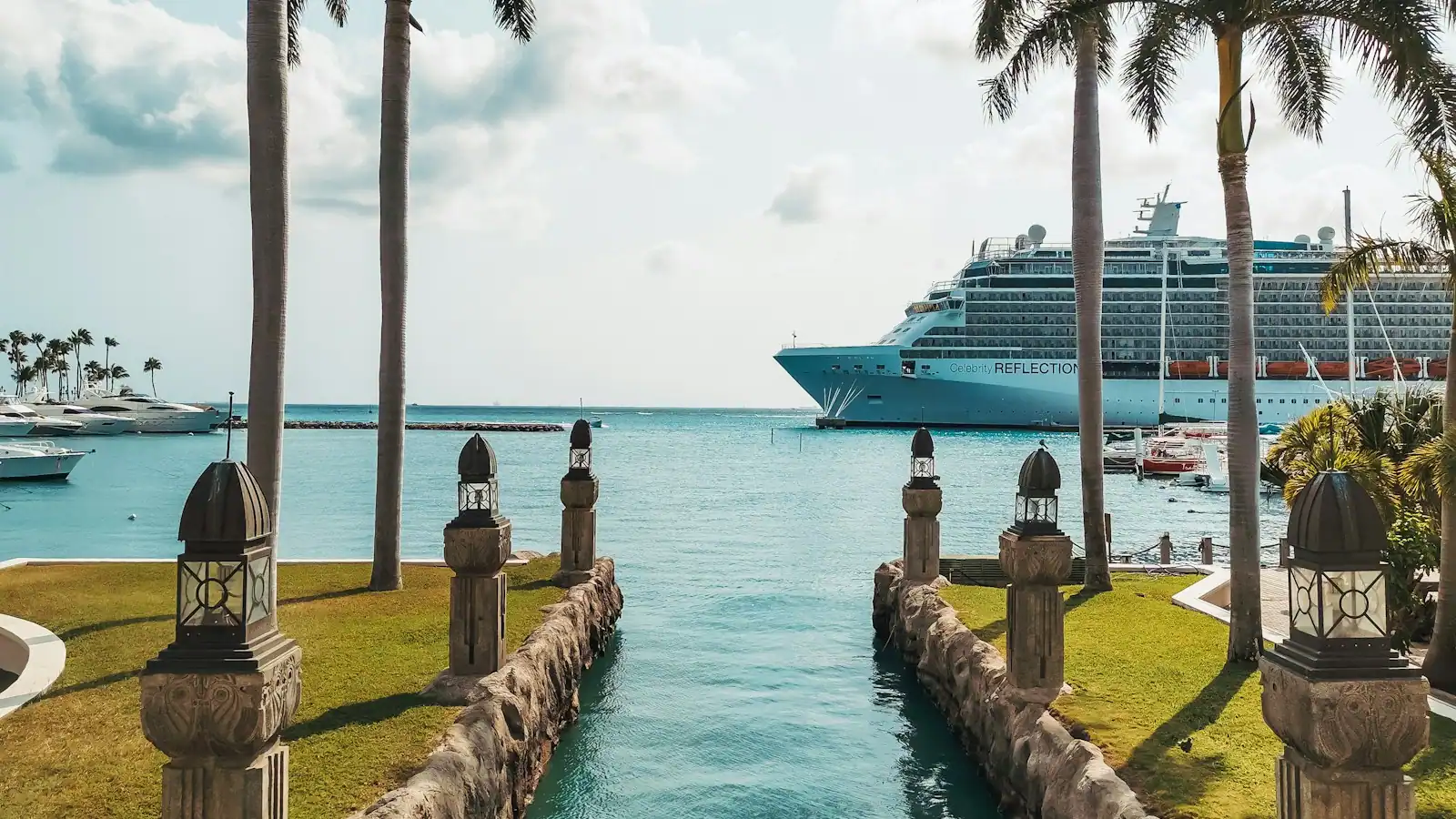
The cruise calendar is the third season, and it works on a daily rather than monthly cycle. Cozumel is among the busiest cruise ports on earth, with three piers that can take four or more ships at once, and the difference between a four-ship Wednesday and a one-ship Sunday is felt everywhere: at Chankanaab, on the shallow reefs, at the beach clubs, in the taxi queue and along the downtown blocks. Peak ship traffic runs roughly December through April. If you are staying on the island, look up the daily ship schedule before you choose which day to do Palancar or Punta Sur. That single habit improves a Cozumel week more than picking the right month.

If you want a short answer: February and March for diving, when visibility peaks around 120 to 130 feet, the water is a crisp 78 degrees and eagle rays work the deep walls at Santa Rosa and Punta Sur. Late April into early June for the best all-round balance, once the nortes have finished and before the heaviest rain and heat arrive, with hotel rates easing and the ships thinning out. September and October if price is the priority and you are willing to accept genuine hurricane risk and softer visibility around 75 feet. July and August are hot, humid and busy with families, with the warmest water of the year at 84 to 86 degrees and afternoon downpours most days.

One comparative fact worth carrying: sargassum, the seaweed that lands on the Riviera Maya's mainland beaches in spring and summer, affects Cozumel's west coast far less, because the island shelters its own leeward shore. The east coast catches what the open sea brings. On a bad sargassum year the mainland and Cozumel are not the same holiday at all.
Our picks

The ones we would book

  • Editor's Pick

    Best conditions of the year

    Why we chose it

    February and March diving, when visibility on the west wall runs 120 to 130 feet, the water sits at a crisp 78 degrees and eagle rays work the deep sections at Santa Rosa and Punta Sur. Book with a spare day at the end of the trip, because this is also the tail of norte season and the port does close.

  • Best Value

    Best trip for the money

    Why we chose it

    Late April into early June. The winter nortes have finished, the heaviest rain has not started, the water is a warm 80 to 82 degrees, visibility is still strong and hotel rates have dropped from their peak. The ships thin out after Easter, which quietly improves every reef, beach club and taxi queue on the island.

    Cozumel ClearBoat Adventure with Snorkeling
    Best ValueFree cancellationInstant confirmation

    Low Supplier Cancellation Rate

    Cozumel ClearBoat Adventure with Snorkeling (opens in a new tab)

    313 reviews

    Perfect For Families and Couples! Hope on aboard a unique experience in the only 100% transparent boat in the World. This is definitely a…

    1–2 hours

    Prices checked

    from $42.75Usually $45
  • Best for Families

    Warmest water for young swimmers

    Why we chose it

    July and August put the water at 84 to 86 degrees, which matters a great deal to a six-year-old in a snorkel vest and not at all to an adult. The trade-off is heat, humidity and an afternoon downpour most days, so build your water time into the mornings and treat the afternoons as pool and shade time.

The diving calendar, which is the real calendar

When to go

Water temperature on Cozumel is close to a non-issue: roughly 78°F at its coolest in January through March and 84 to 86°F at its warmest in August and September. Most divers use a 3mm suit in winter and a shorty or a skin in summer. Visibility is the variable that actually moves.

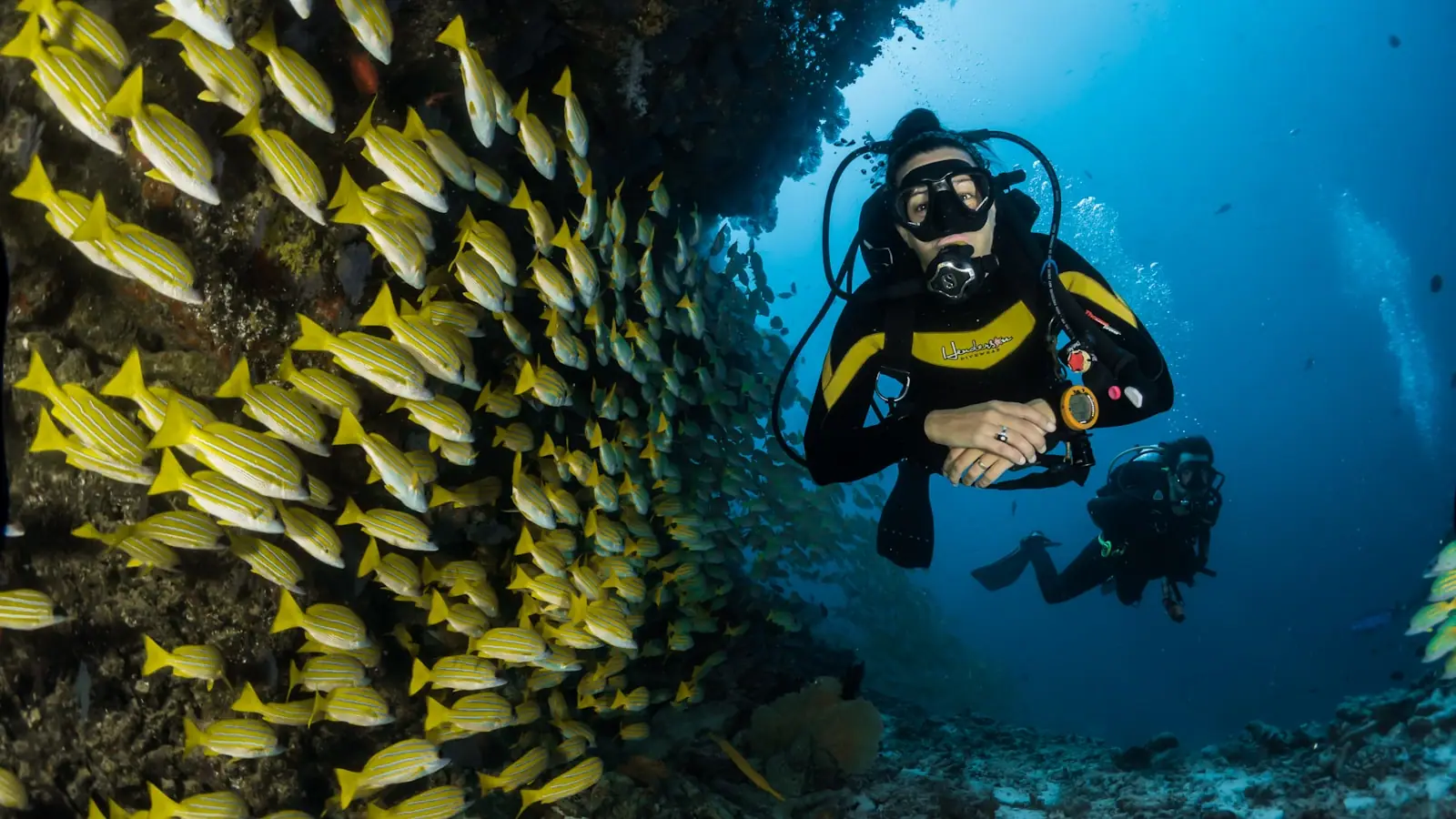
December to May is the clear season. Visibility runs 100 feet and up, peaking around 120 to 130 feet in January and February, when the water is coolest and the surface is glassiest between fronts. This is when photographs of Santa Rosa Wall are taken.

June to August holds up well, with warm water, comfortable long dives and visibility usually still well above 80 feet.

September is the softest month, with visibility easing to around 75 feet as the wet season peaks, before recovering steadily through October and November.

Two seasonal animals are worth planning around. Eagle rays work the deep walls at Santa Rosa and Punta Sur most reliably in the winter months, roughly December to February, and divers come specifically for them. And turtle nesting runs through the warm months on the east-facing beaches, with nests protected and marked; night access to some stretches is restricted during the season, and that restriction is enforced.

Book your dive days early in the trip, not at the end. If a norte or a passing system closes the port, you want the spare day still ahead of you rather than behind. And keep a full 18 hours between your last dive and your flight home.

Crowds, prices and the ship count

What it costs

Cozumel's price curve follows North American holidays, and its crowd curve follows cruise itineraries. They are not the same curve.

Highest prices: Christmas and New Year, then mid-January through March, plus Easter week. Hotel rates and dive package prices are at their annual peak and the good shops book out weeks ahead.

Best value with good conditions: late April to early June, and again in November once the ship schedule is still moderate. Hotel rates soften noticeably and visibility is still strong.

Cheapest: September and October. Rates drop hard, flights are cheap, the reefs are empty, and you are accepting real hurricane risk and softer visibility.

The crowd number that actually governs your day is how many ships are in port. Three piers can handle four or more vessels at once and Cozumel is one of the busiest cruise ports in the world. On a heavy day, expect long taxi queues at Punta Sur and Chankanaab, full beach clubs, the shallow reefs shared with several snorkel boats and downtown packed. On a light day the same places are calm.

The move, if you are staying overnight, is simple: look up the daily ship schedule before you plan your week, then invert. Do the popular sites — Chankanaab, the shallow reefs, downtown — on light days. Save the east coast, Punta Sur and the deeper dive sites for when four ships are in. It costs nothing and it is the single biggest quality-of-trip improvement available here.

Dates that fill the island

A handful of dates change availability enough to plan around, and the exact dates move, so confirm locally rather than booking flights on this paragraph.

Carnaval in San Miguel, in the days before Lent and so usually February or early March, is one of Mexico's older carnival traditions and a genuinely local event rather than a tourist production: parades along the malecón, comparsas, music in the main square for the better part of a week. Hotels fill and the town is loud and excellent.

The Festival de El Cedral, around late April and early May in the village of El Cedral in the island's south, runs for several days with music, food, fairground rides and horse racing. It traces back to a nineteenth-century vow and is the island's oldest festival.

Día de Muertos, on and around the first two days of November, is observed here as it is across Mexico, with altars and cemetery visits. Treat it as a community occasion you are welcome to witness respectfully, not a spectacle.

Ironman Cozumel, typically in late November, closes roads around the island for the day and fills every hotel room for the week. If you are not racing, avoid that weekend or arrive after it.

Christmas, New Year and Easter bring both maximum ship traffic and maximum hotel rates, and the best dive shops book out well ahead.

Book it

Everything else we track

We could not find tours matching this right now

Nothing came back for Cozumel diving. Operators add and retire experiences constantly, so this list changes week to week. Try a broader category, or come back in a day or two.

Cozumel month by month

How they compare

MonthAir / waterDivingCrowds and priceWatch for
JanuaryLow 80s / 78°FVisibility at its best, near 130 ftPeak cruise season, high hotel ratesNortes; port closures for a day or two
FebruaryLow 80s / 78°FBest of the year; eagle rays on the deep wallsPeak; Carnaval week fills San MiguelNortes still active
MarchMid 80s / 78–79°FExcellent visibility, settled spellsPeak; spring break adds to the beach clubsTail end of norte season
AprilMid 80s / 80°FVery good, current picks upShips easing off after EasterSargassum begins on east-facing shores
MayUpper 80s / 81–82°FStrong; warm and clearShoulder; good ratesFirst rains; humidity climbing
JuneUpper 80s / 83°FGood; warmest comfortable divingLow season beginsHurricane season opens; wet month
JulyAround 90°F / 84°FGood; short afternoon rainFamily peak; flights expensiveHeat and humidity
AugustAround 90°F / 85–86°FWarm, softer visibilityQuiet on the reefsPeak hurricane risk begins
SeptemberUpper 80s / 85°FWeakest visibility, around 75 ftCheapest month of the yearHighest hurricane risk
OctoberUpper 80s / 84°FRecovering through the monthVery quiet, very cheapHurricane risk; wettest stretch
NovemberMid 80s / 82°FImproving fastShips return; Ironman weekend fills hotelsFirst nortes arrive
DecemberLow 80s / 80°FVery good; visibility opening upChristmas and New Year peakNortes; port closures

Nortes: the winter wind that closes the port

Before you book

This is the single most under-reported planning fact about Cozumel, and it catches winter visitors every year.

From roughly November through March, cold fronts sweep down from North America and hit the Yucatán channel as strong north winds. The sea in the channel stands up fast. When it does, the harbourmaster closes the port to recreational craft, and that means no dive boats, no snorkel boats, no catamarans and sometimes no Playa del Carmen ferry. Closures typically last one to three days.

What this looks like in practice: you wake up, the palms are bent, your shop calls at 6.30am to say the port is closed, and the plan for the day changes. Dive operators sometimes run the far southern sites when the north is blown out, so ask rather than assuming the day is lost.

How to plan around it, rather than against it:

  • Book a longer trip in winter. Five nights with four dive days absorbs a closure. Three nights does not.
  • Front-load the water. Dive and snorkel on your first days.
  • Have a dry-land day ready. San Gervasio, the museum in San Miguel, Discover Mexico Park and the east coast are all fine in wind, and the east coast is spectacular in it.
  • If you are day-tripping from Playa del Carmen, check the ferry before you commit. A closed crossing strands you on the wrong side.
  • Pack a light jacket. A norte can drop nighttime temperatures into the sixties, which sounds mild and does not feel it when you are wet.

Hurricane season, honestly

Before you book

The Atlantic hurricane season runs June 1 to November 30, and for Cozumel the risk is concentrated in August, September and October. That does not make those months unbookable — they are the quietest and cheapest of the year, and most weeks in them are simply hot, bright and occasionally wet — but it does change how you book.

The realistic risk profile has three tiers. A direct hit is rare and would be handled with mandatory evacuation, ferry suspension and airport closure. A near miss is more common and means several days of rain, wind and a closed port. A distant system, the most likely of the three, is often invisible from the beach and still produces swell, surge and cancelled boats.

What to do about it:

  • Buy travel insurance that covers weather disruption, and read what it actually covers before September.
  • Book refundable where you can. Most Cozumel operators offer free cancellation, and in September that is worth paying a little for.
  • Watch the forecast from about five days out, not the day before. Ferry and airline decisions here are made with notice.
  • Do not fly in on the last possible day if you have something unmissable at home.

Two local notes. The island remembers Hurricane Wilma, which stalled over Cozumel in October 2005, flooded San Miguel and physically rearranged sections of reef; recovery took years and shaped how the island builds. And rain in this season is usually a heavy 30 to 60 minute afternoon downpour rather than a full grey day, which matters far less to a diver than to a sunbather.

What to pack, by season

What to bring

  • All year: reef-safe sunscreen, a rash guard or long-sleeve swim top, a hat, polarised sunglasses, and pesos in small notes. The sun here is equatorial and the water reflects it back at you.
  • All year: insect repellent. It is for San Gervasio, the inland road and any evening after rain, not for the beach.
  • December to March: a windproof layer and something with sleeves for the evening. A norte drops nighttime temperatures into the sixties and it feels colder when you have been in the water all day.
  • December to March, divers: a 3mm wetsuit. Shops rent them, but a suit that fits you is worth the luggage.
  • June to October: a light rain shell rather than an umbrella, and quick-dry clothing. The rain is warm, heavy and usually brief.
  • June to October: more insurance than you would normally buy, and printed confirmations in case connectivity is disrupted.
  • If you are diving: your certification card, a logbook if you want the deeper sites, and your own mask. Leave gloves at home; they are generally prohibited in the marine park.
  • If you are renting a jeep: your driving licence, the rental agreement and a phone mount. There is no lighting on the east coast road and patchy signal along parts of it.
  • Anywhere inland or south: cash. San Gervasio and Punta Sur have operated cash-only with no machine at the gate.

On the ground

Where to go

Every place below has its own page — hours, parking, what it costs and what to expect when you get there.

  • A diver drifting along the face of a coral wall in very clear blue water, the reef dropping away below

    Water feature

    Palancar Reef

    Three and a half miles of coral wall off Cozumel's southwest shelf, sold as one name and dived as four very different sites.

    4–6 hoursNot free in practice: you need a boat, and everyone entering the national park by boat pays a per-person daily park fee on top of the trip.

  • A diver hanging beside a vertical coral wall that drops away into deep blue water

    Water feature

    Santa Rosa Wall

    The reef crest sits at about fifty feet and then simply stops, and everything below it is blue for as far as your light goes.

    3–5 hoursNot free in practice: dive-boat access only, plus the per-person daily national park fee that applies to everyone entering the park by boat.

  • A white lighthouse standing above low coastal scrub and dunes at the tip of a Caribbean island

    Park

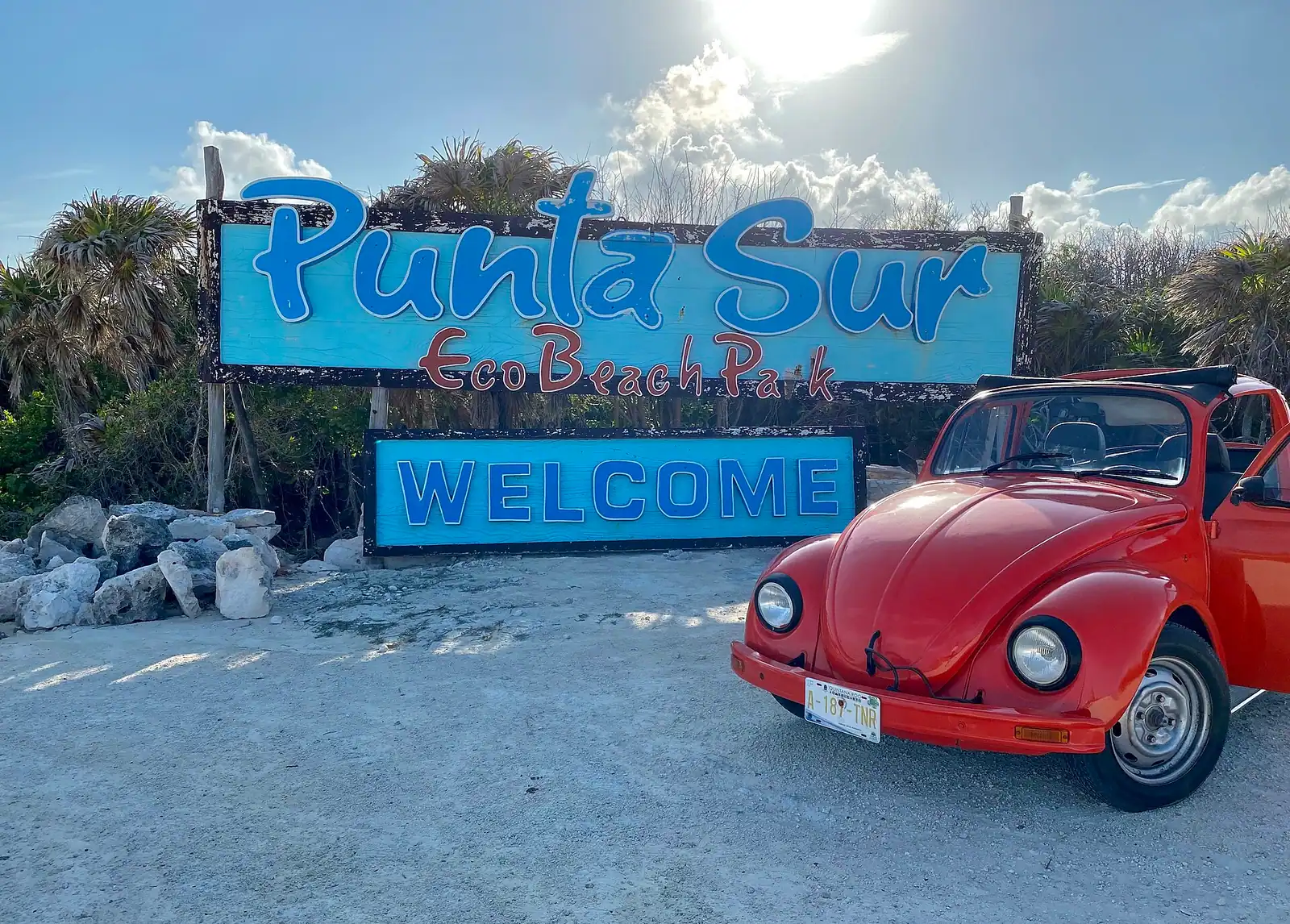
    Punta Sur Eco Beach Park

    A thousand hectares on Cozumel's southern tip that you drive through rather than walk, ending at a lighthouse and a crocodile lagoon.

    2–5 hoursPaid park, charged per person at the gate, with a reduced rate for children. Your vehicle then drives the internal road at no extra charge.

  • A large cushion sea star resting on rippled sand beneath shallow clear water, photographed from above without being handled

    Wildlife

    El Cielo

    A waist-deep sand flat off the island's southwest tip where sea stars sit on open sand in water clear enough to read through.

    3–5 hoursNot free in practice: boat access only, and everyone entering the national park by boat pays the per-person daily park fee on top of the trip.

  • Heavy surf breaking on an empty, steep windward beach under a bright sky
    Free

    Beach

    Punta Morena

    Open Caribbean, no reef in front of it, no lifeguard on the coast — and the best two hours on the island if you are staying the night.

    1–3 hoursFree. The beach is open shoreline; you pay only for what you eat and drink.

  • A small waterfront town seen from the water, with a seafront promenade and low buildings behind it
    Free

    Neighbourhood

    San Miguel de Cozumel

    The island's only town, where the price of the same beer halves somewhere between the waterfront and Avenida 30.

    1–4 hoursFree. The malecón, the main square and the waterfront cost nothing to walk.

  • Empty beach chairs under umbrellas on a calm leeward shore in early morning light

    Beach

    Mr Sanchos Beach Club

    The island's top-selling day pass: buffet, open bar and calm shallow water at kilometre 15 — and a car park full of taxis by eleven.

    3–7 hoursAll-inclusive day pass per person covering buffet, open bar, lounger or palapa and pool. Adult, teen and child tiers.

  • A cruise ship berthed alongside a pier with a low waterfront town spreading behind it
    Free

    Landmark

    The Cozumel Malecón

    A seafront promenade that belongs to the cruise crowd until five and to San Miguel every evening after that.

    1–3 hoursFree. Walking the malecón and the main square costs nothing at any time of day.

Straight answers

Questions people actually ask

What is the best month to visit Cozumel?

February and March if you are here to dive, when visibility peaks around 120 to 130 feet, the water sits near 78°F and eagle rays are on the deep walls. Late April to early June is the best overall balance: the winter nortes are finished, the heavy rain has not arrived, rates have softened and the ships have thinned after Easter. September and October are cheapest and carry genuine hurricane risk.

When is hurricane season in Cozumel?

June 1 to November 30, and the months carrying most of the danger are August, September and October. A direct hit is rare. Far more common is a storm several hundred miles away that puts swell into the channel, gets the port closed to small boats and takes out two or three days of diving, snorkelling and ferry crossings. Book refundable where you can, buy insurance that covers weather disruption, and start watching the forecast about five days out rather than the night before.

What is a norte in Cozumel and will it ruin my trip?

A norte is a winter cold front that brings strong north winds, usually between November and March. When one hits, the harbourmaster closes the port to recreational craft, which cancels dive boats, snorkel trips, catamarans and sometimes the Playa del Carmen ferry for one to three days. It will not ruin a five-night trip with a spare day built in. It can ruin a three-night one where everything is booked back to back.

How warm is the water in Cozumel?

Between roughly 78°F in January through March and 84 to 86°F in August and September, which is warm enough to swim comfortably every day of the year. Most divers wear a 3mm suit in winter and a shorty or skin in summer. The bigger seasonal variable is visibility, which runs 120 to 130 feet at its best in January and February and softens to around 75 feet in September.

Does sargassum affect Cozumel?

Far less than the mainland Riviera Maya, and this is one of the genuinely useful reasons to choose the island. Sargassum drifts in from the open Atlantic, roughly April through August in bad years, and it hits east-facing shores hardest. Cozumel's west coast, where every beach club, dive shop and pier sits, is sheltered by the island itself. The east coast catches whatever the open sea sends and clears again with the wind.

When is Cozumel least crowded?

September and October by a wide margin, followed by late spring after Easter. But the day matters more than the month here, because crowding is driven by how many cruise ships are in port. Three piers can take four or more ships at once. Look up the daily ship schedule before choosing which day to do Chankanaab, the shallow reefs or a beach club, and save the east coast and Punta Sur for the heavy days.

Is it worth visiting Cozumel in the rainy season?

Often yes, especially for divers. Rain from roughly June to October usually arrives as a heavy 30 to 60 minute afternoon downpour rather than an all-day grey, and you are already wet on a dive boat. Water is at its warmest, the reefs are quiet and prices are at their lowest. The trade-offs are heat, humidity, softer visibility around September and the overlap with peak hurricane risk.

How many days should you spend in Cozumel?

Four nights covers the island properly and, importantly, leaves a spare day. Winter visitors should treat that spare day as insurance against a norte closing the port, and summer visitors as insurance against weather. Divers who want to see Palancar's four sections plus Santa Rosa, Columbia and Punta Sur need five or six nights. A single cruise day works if you commit to one activity instead of three.