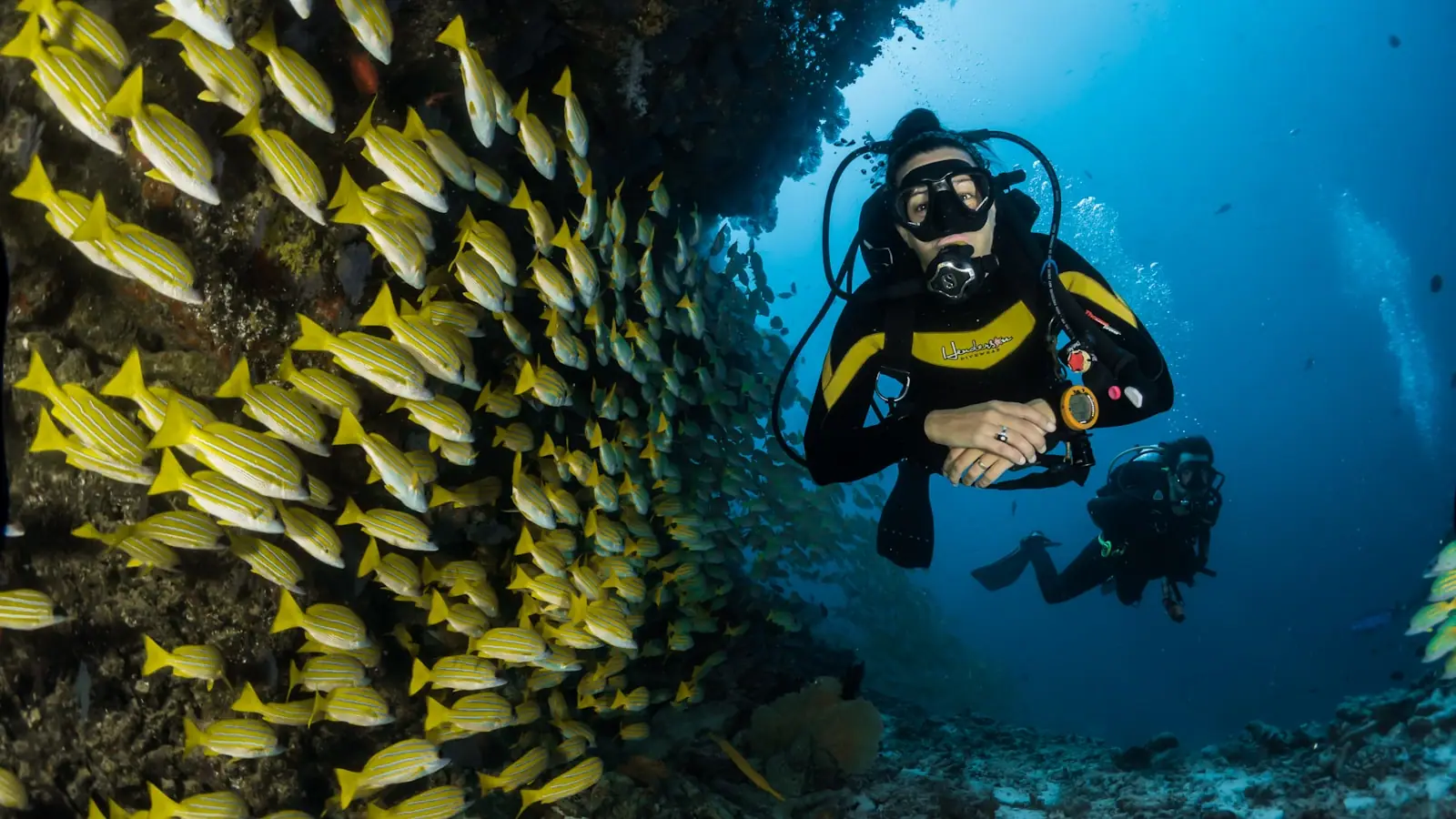
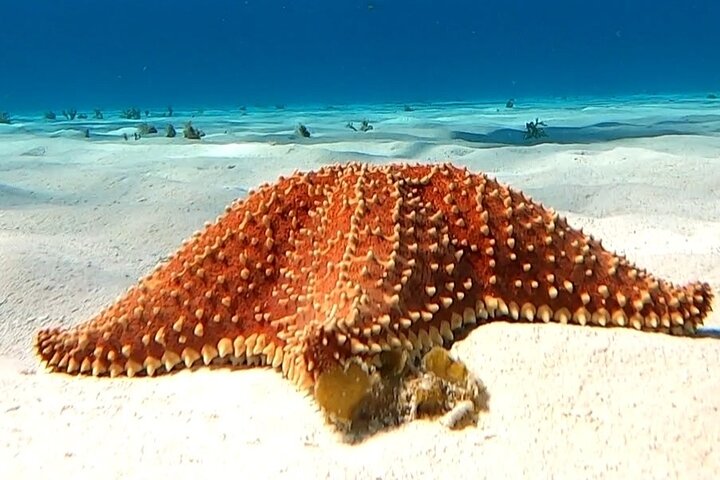
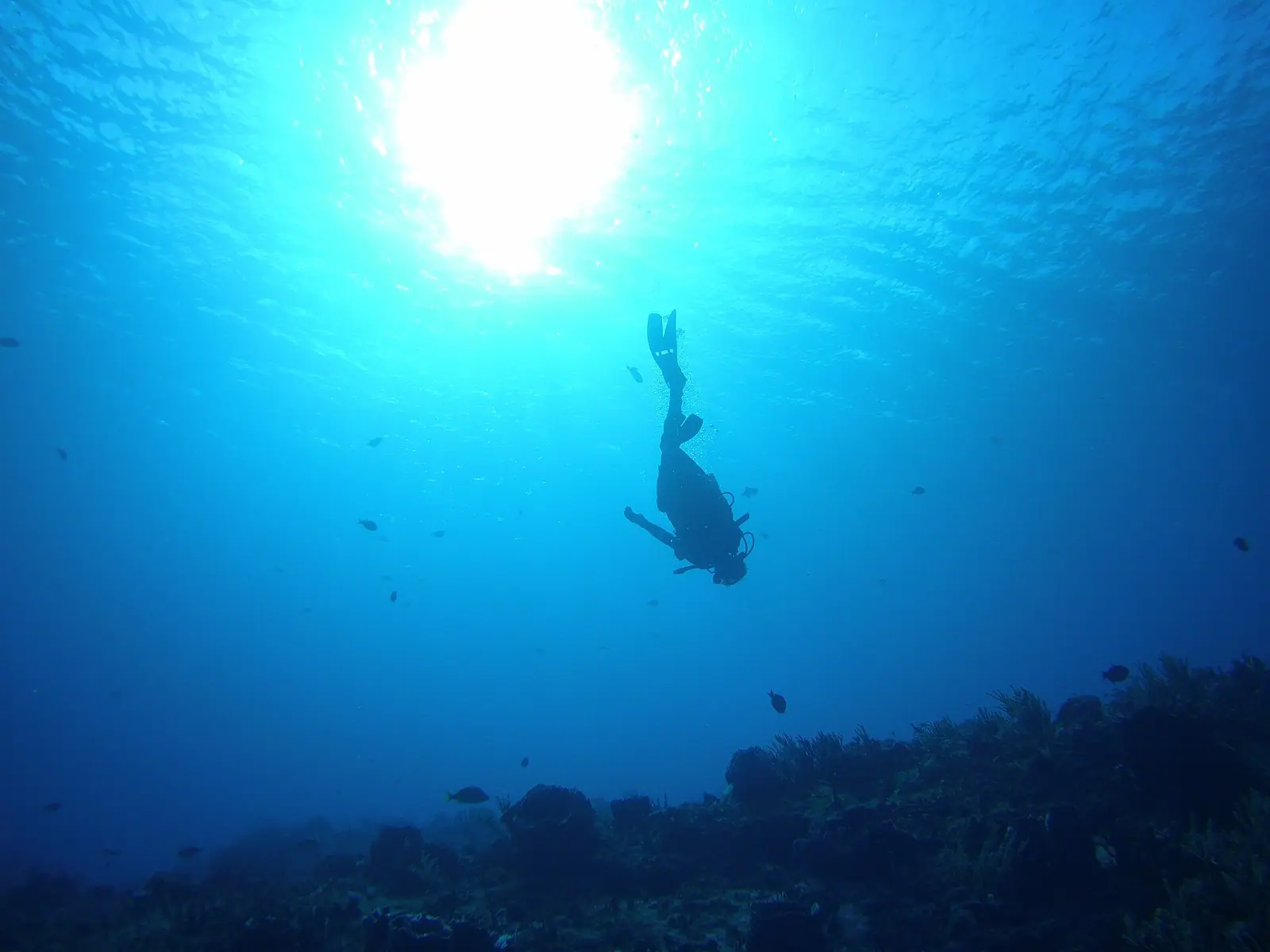
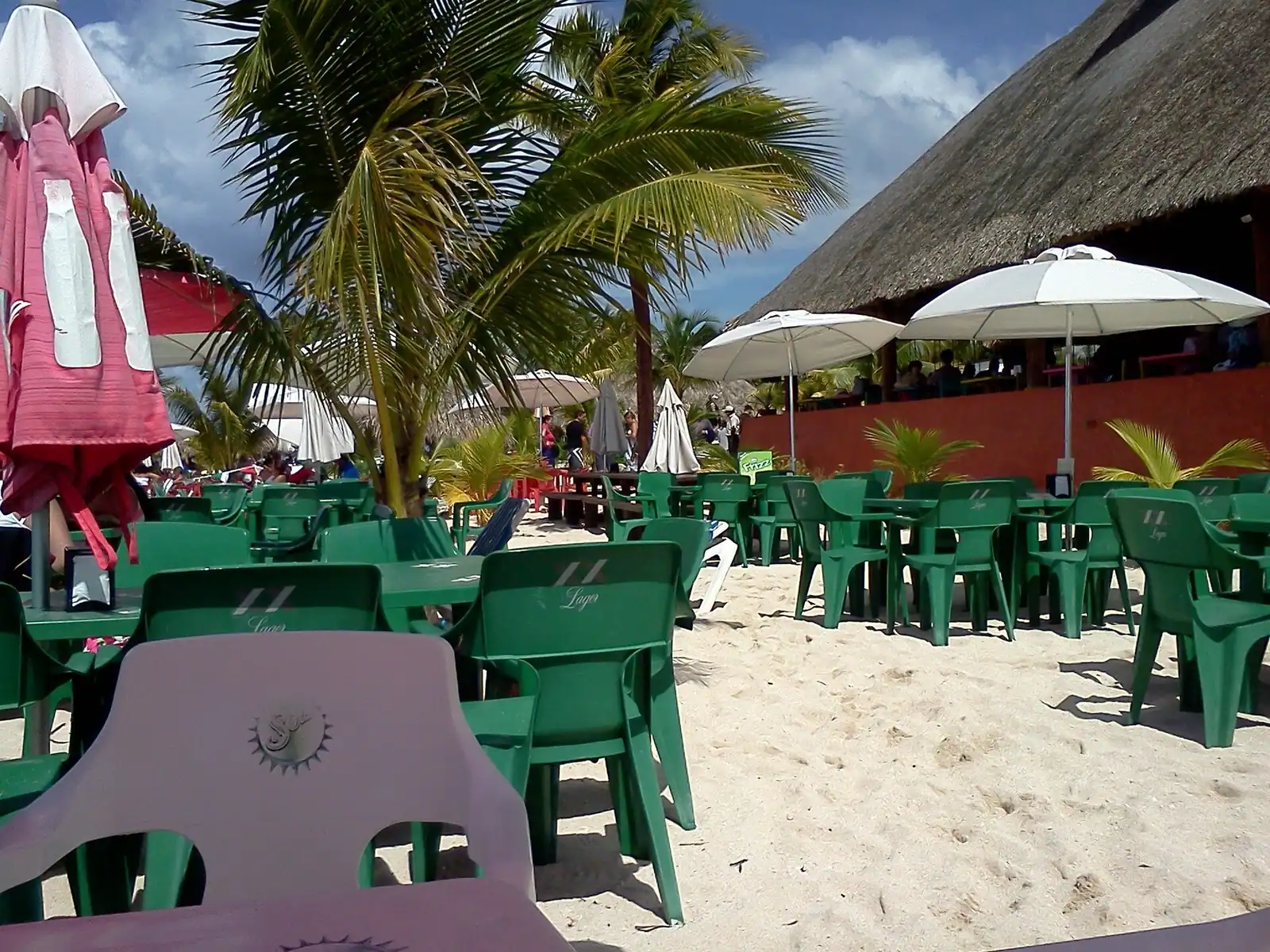
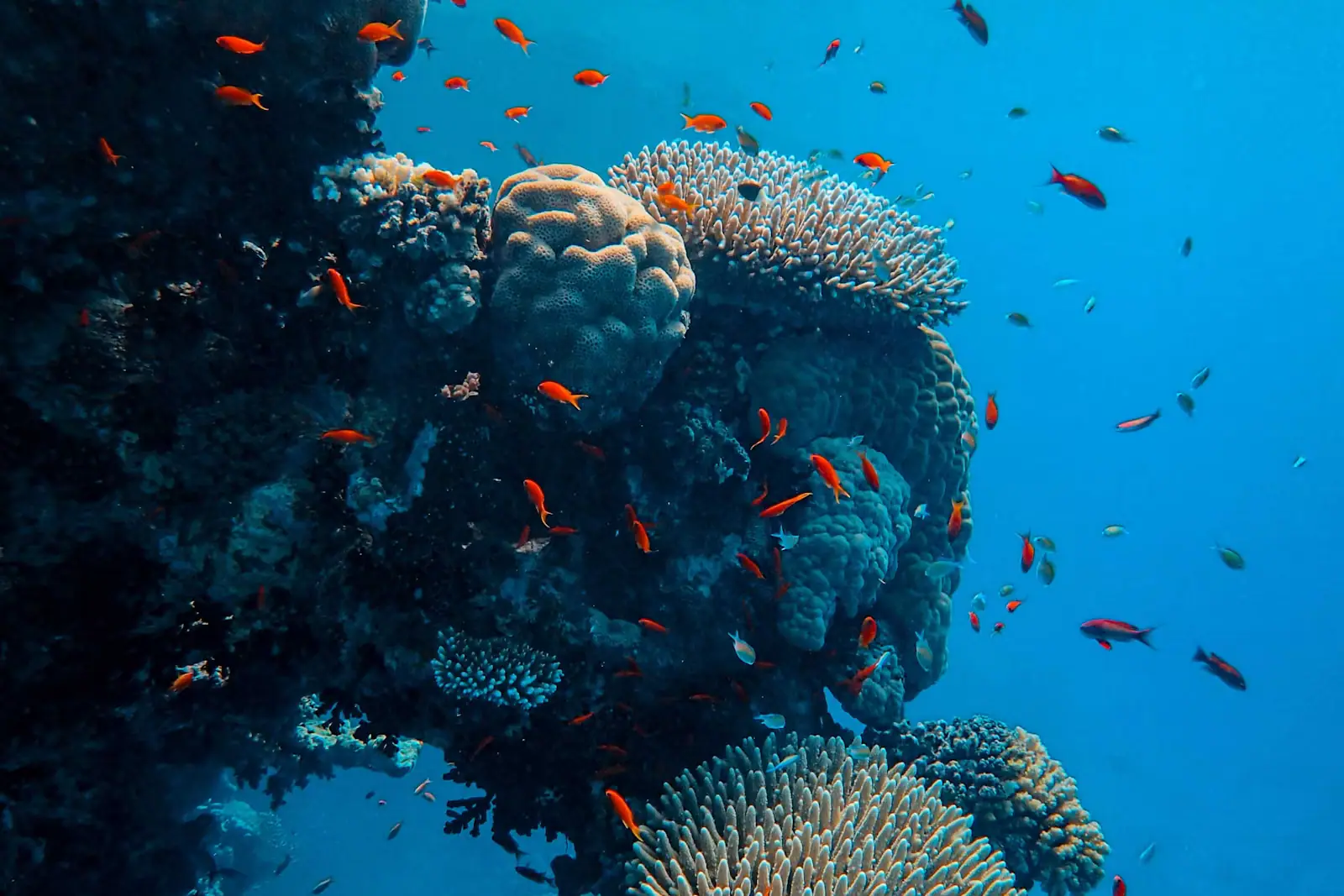
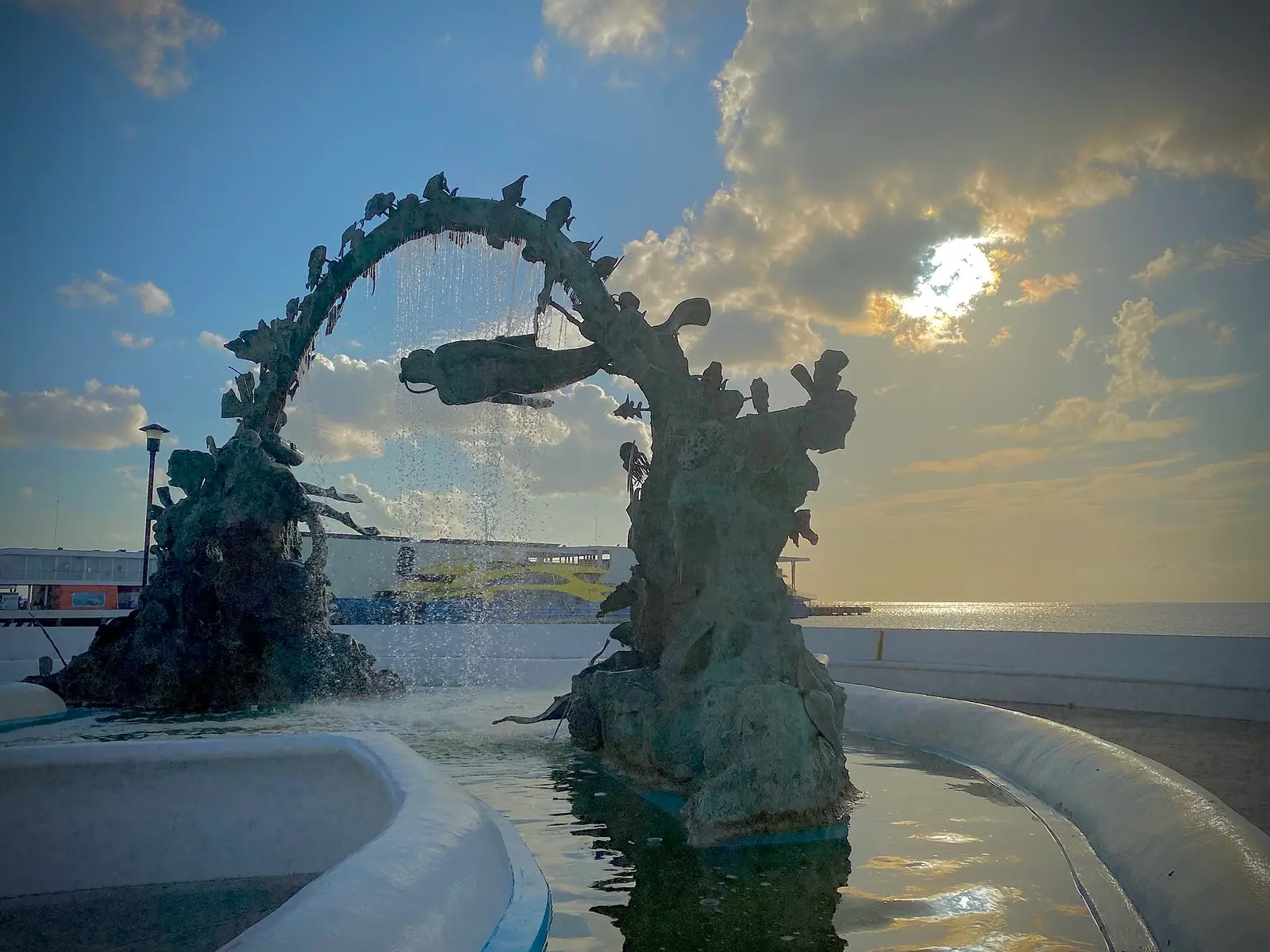
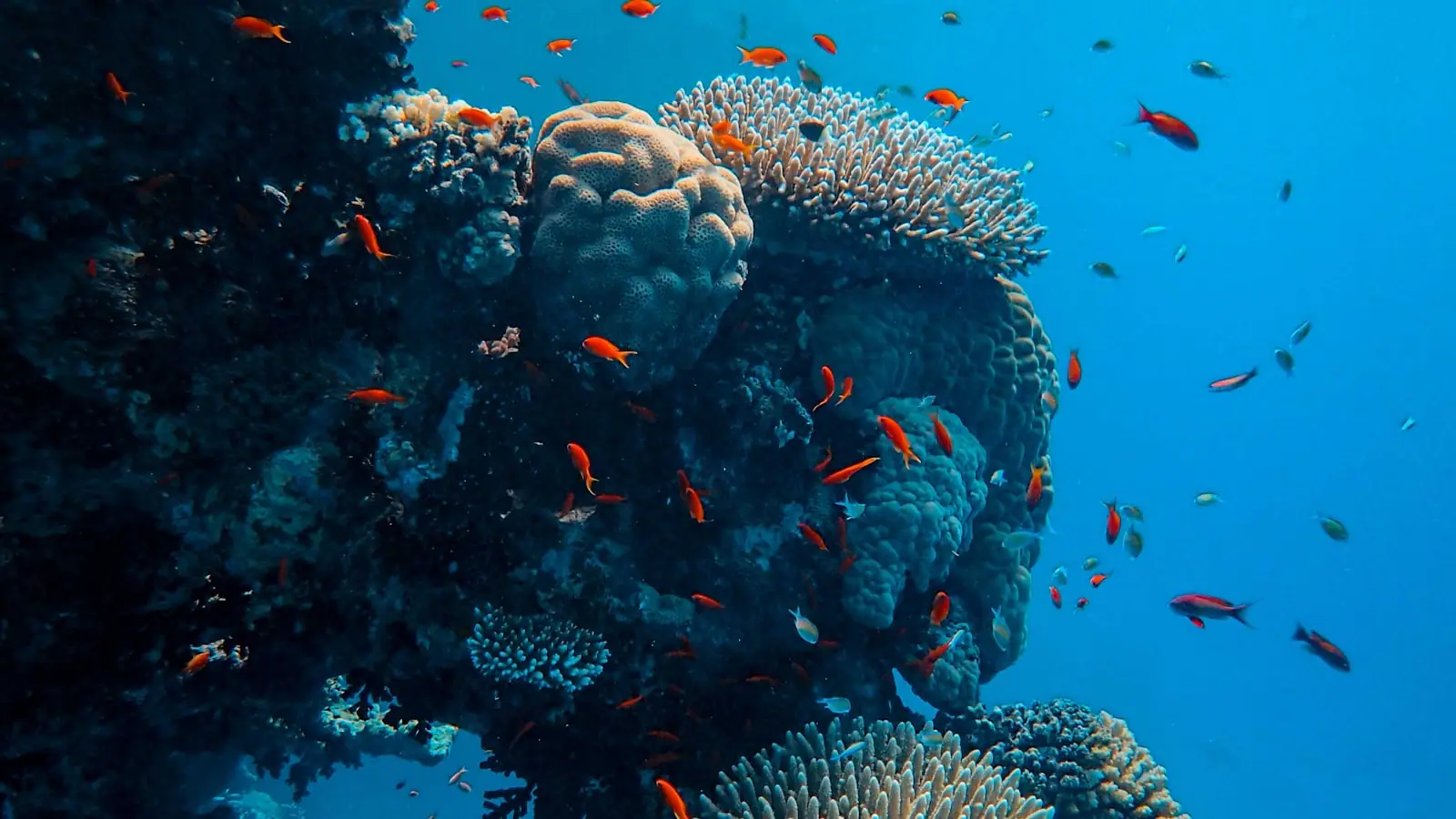
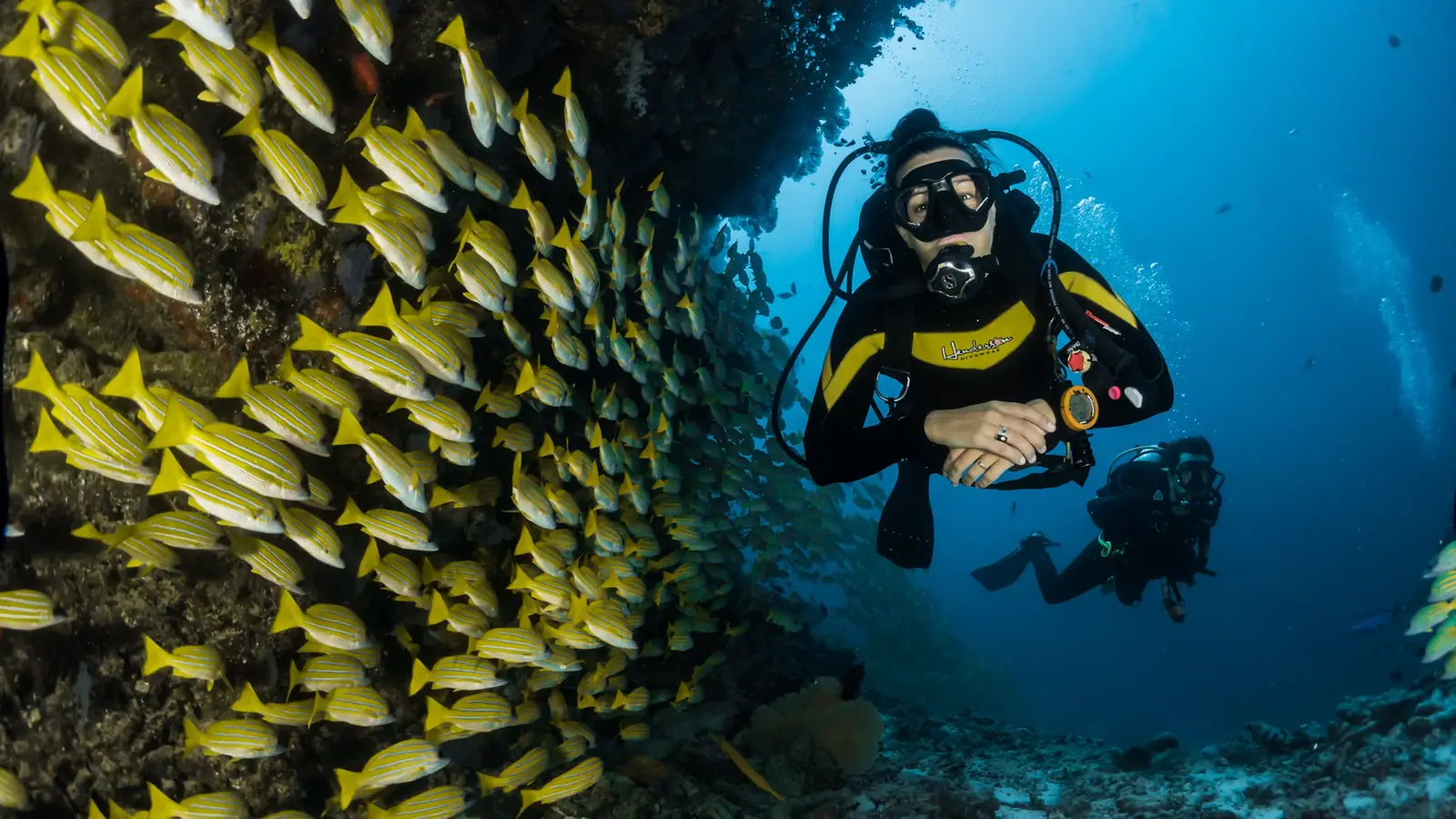
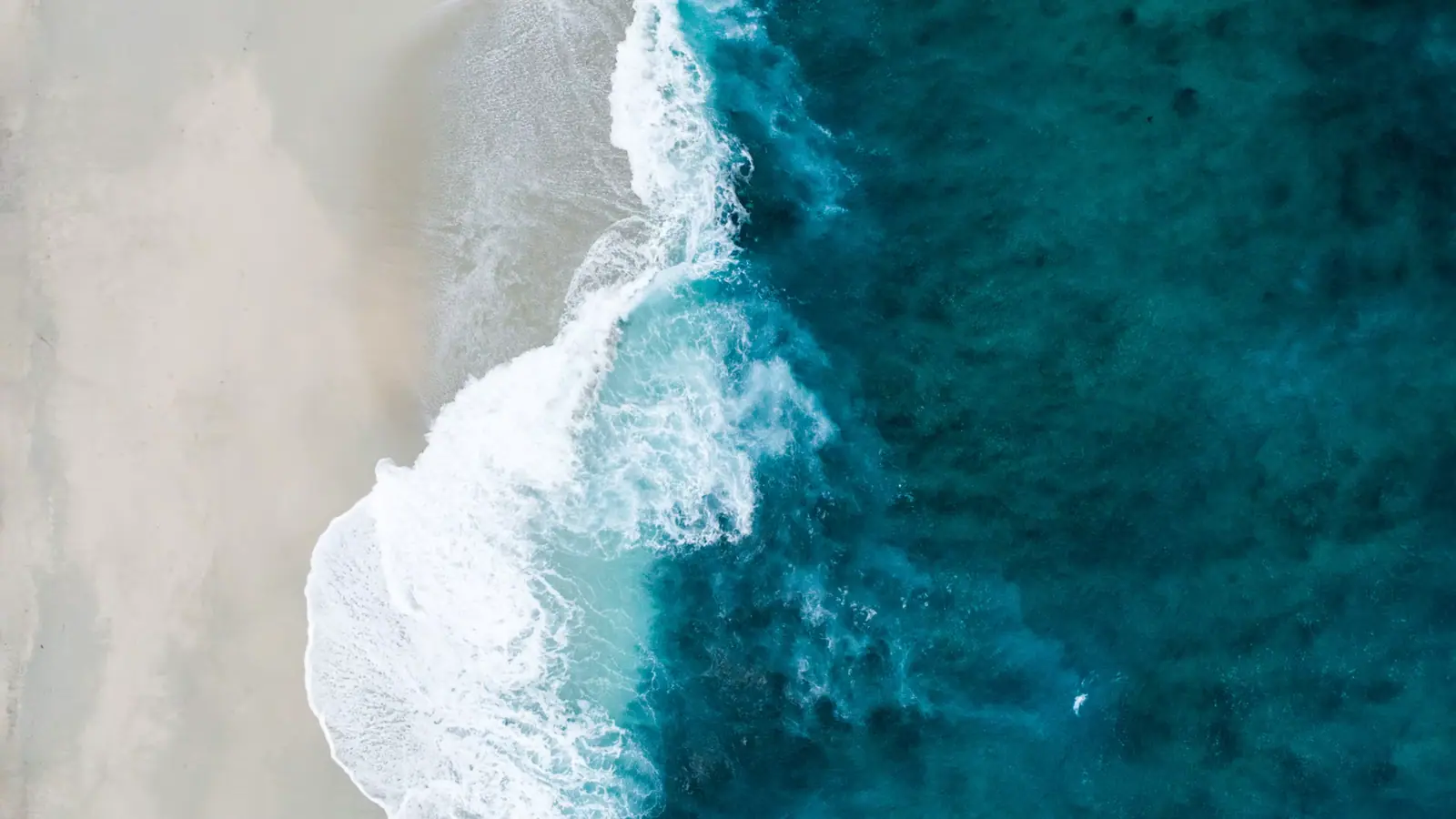
Cozumel is a flat slab of limestone about 29 miles long and 9 miles wide, sitting roughly 12 miles off the Yucatán coast, and the reason anybody comes here is on the wrong side of the surface. The island's west shore is the leeward edge of the Mesoamerican Barrier Reef, the second-largest reef system on earth after Australia's, and the current that runs north along that edge has made Cozumel the most reliable drift-diving destination in the Caribbean. Everything above water — the beach clubs, the jeep rental desks, the jewellery shops packed three deep along the malecón — exists downstream of that one geological fact.
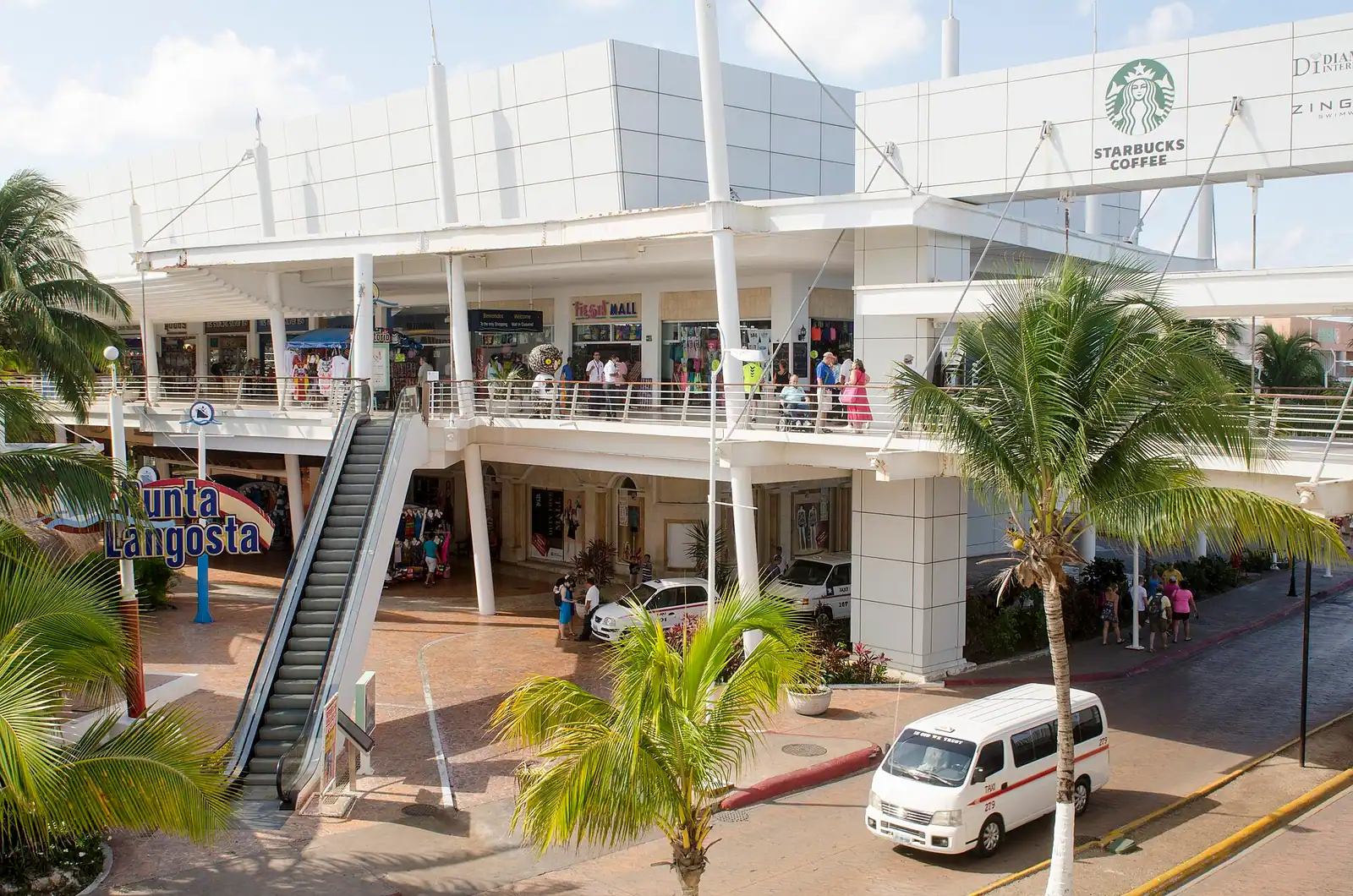
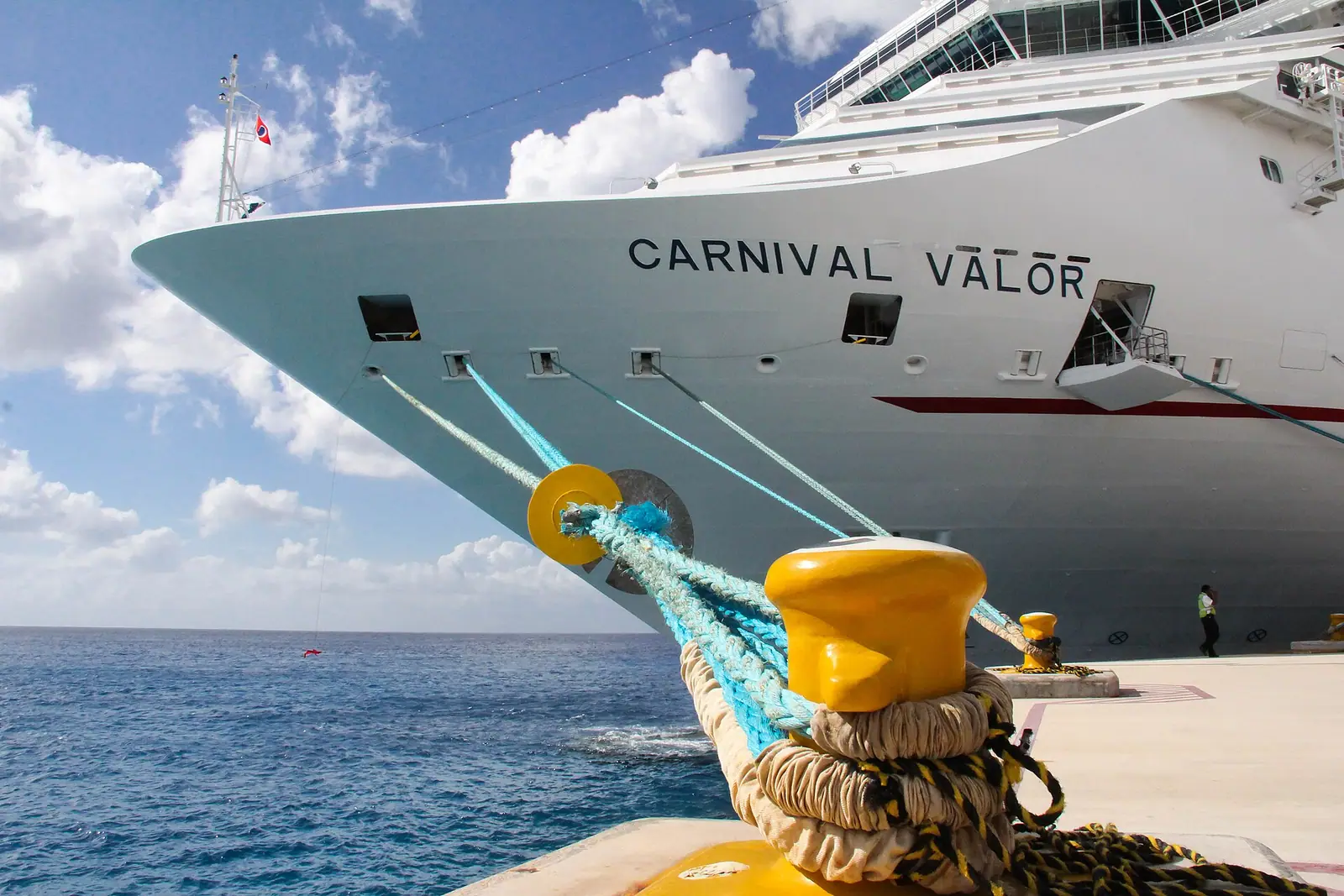
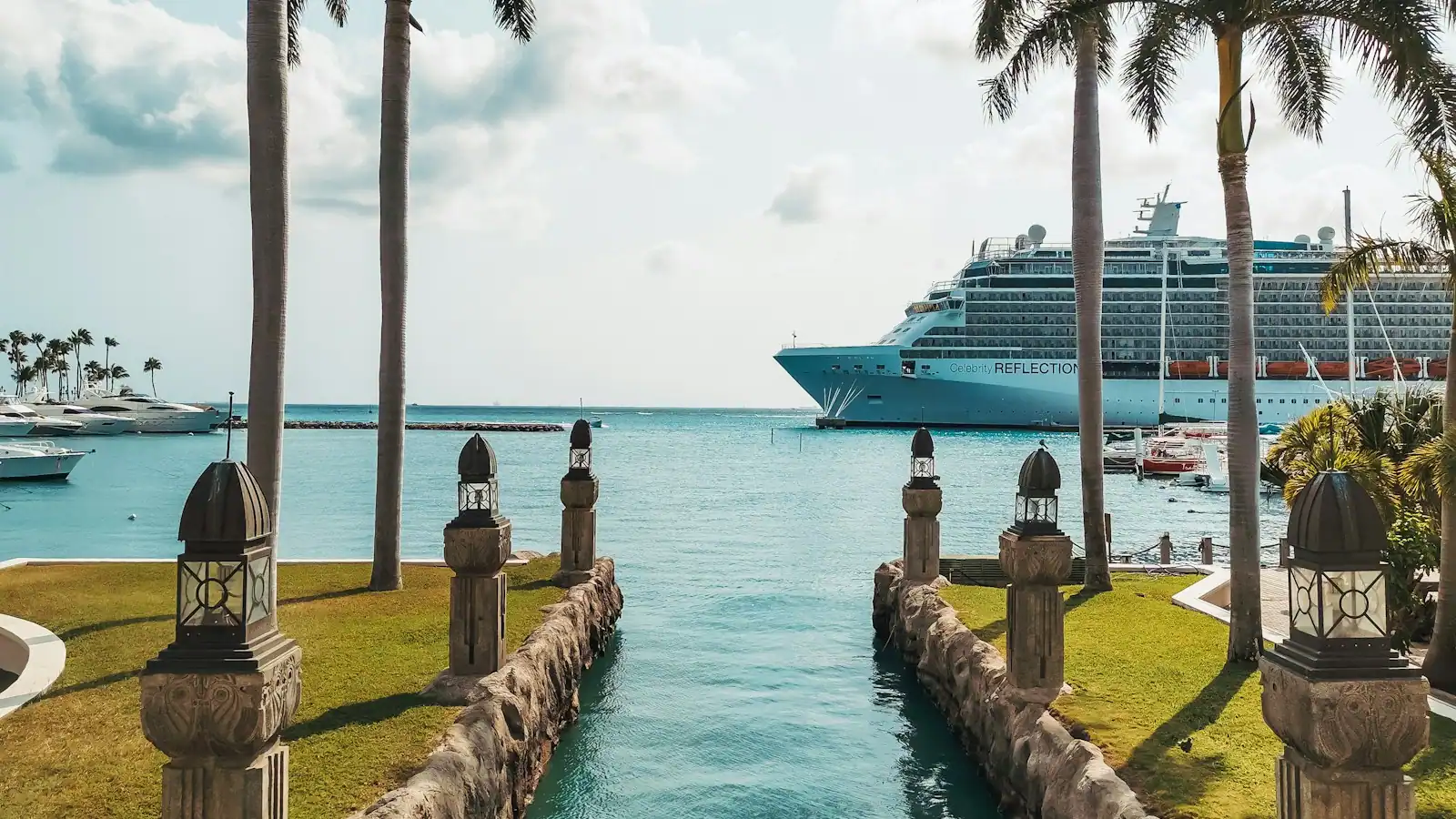
The first thing to sort out is which visitor you are, because Cozumel serves two populations with almost nothing in common. If you are on a ship, you have somewhere between six and eight hours, you will dock at Punta Langosta downtown or at the International and Puerta Maya piers about three miles south of it, and every decision you make is governed by an all-aboard time that does not negotiate. If you came on the Playa del Carmen ferry or flew into CZM, you have evenings, you have the east coast, you have night dives, and you have the luxury of losing a day to weather without losing the trip. This page is organised around that split, and it says which reader each section is for.
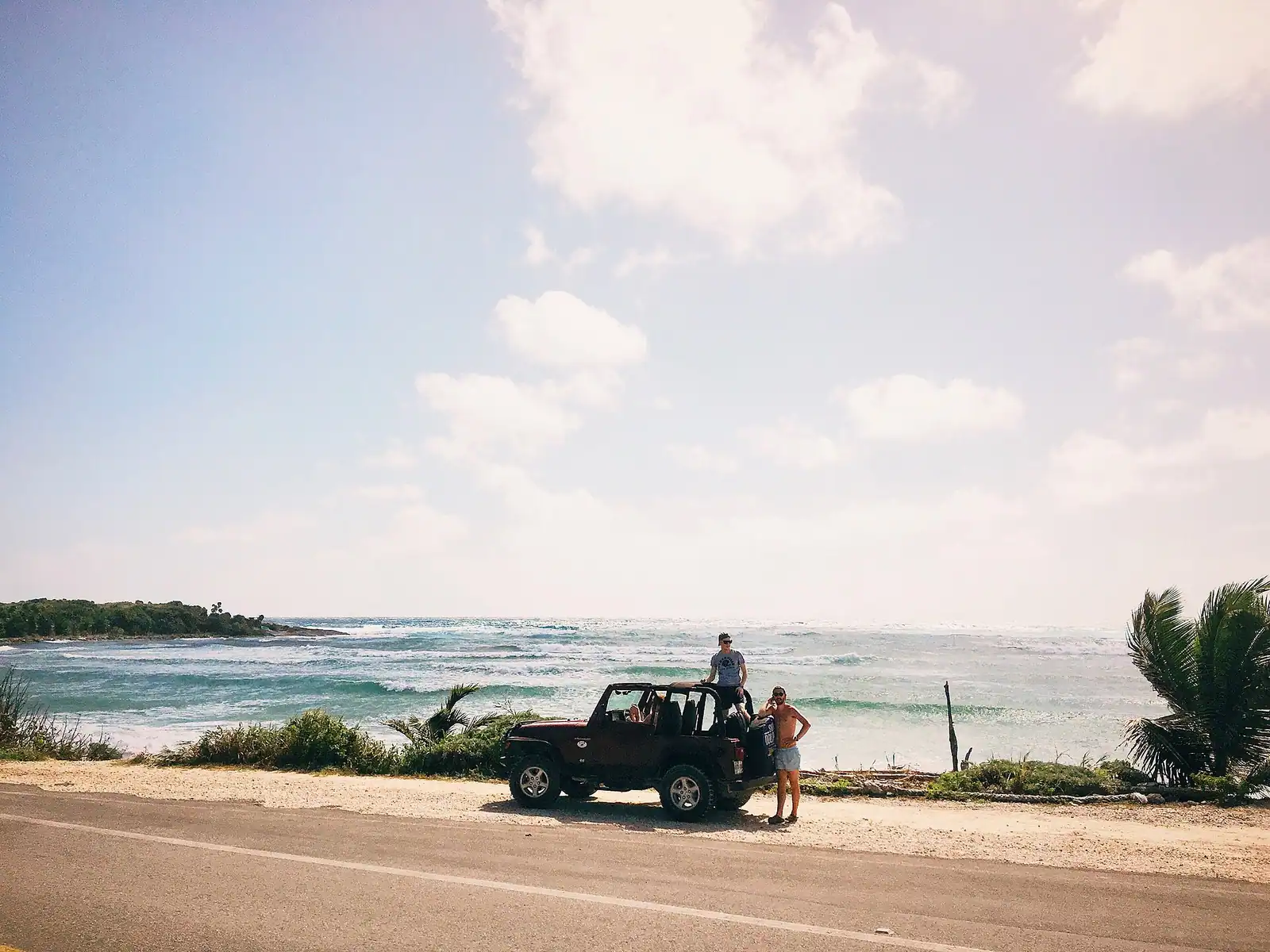
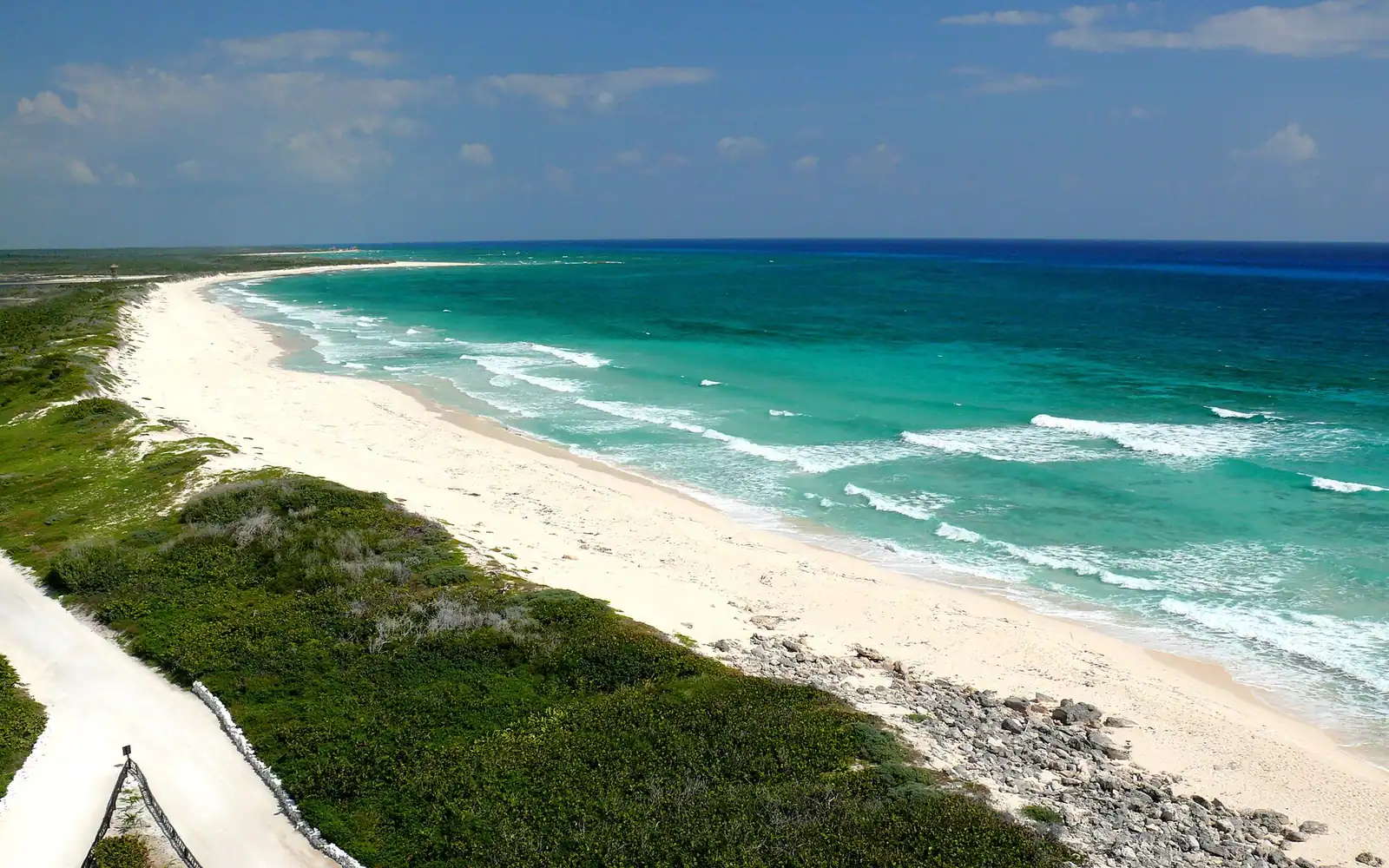
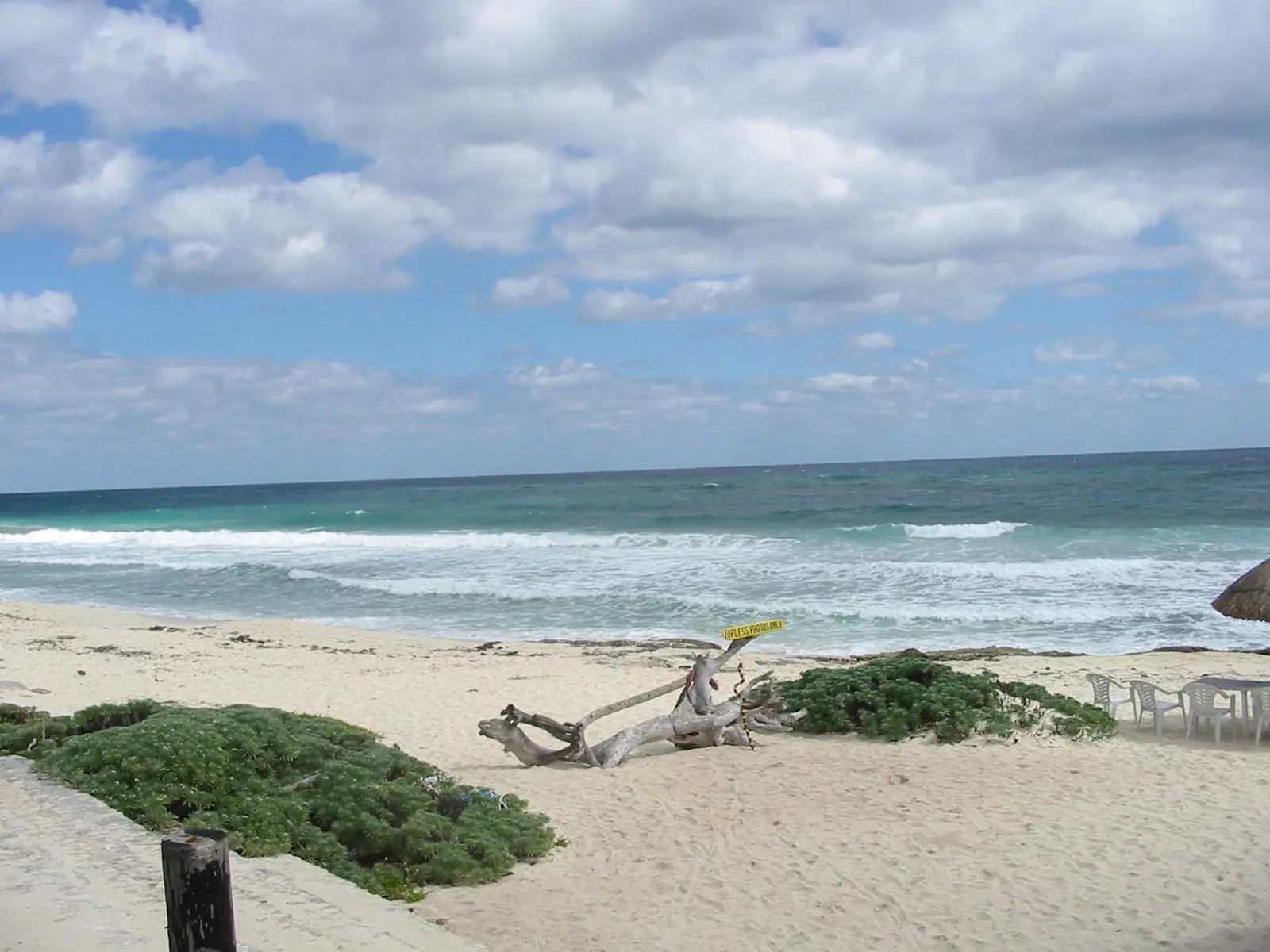
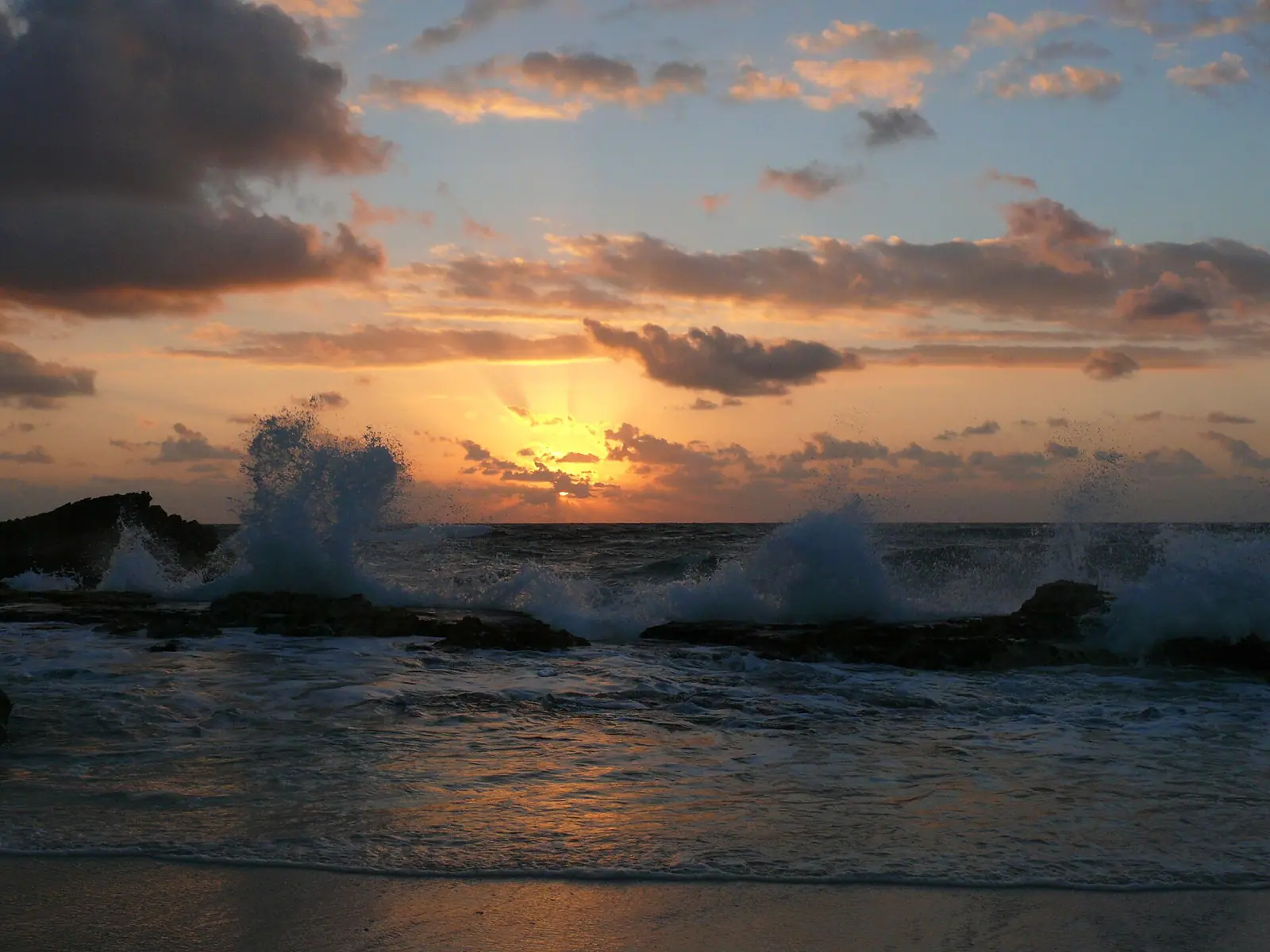
Three practical things shape the island more than any attraction. First, the west side is calm and the east side is not. Every pier, dive shop, beach club and hotel sits on the leeward west shore; the east coast faces the open Caribbean, has serious undertow, and is genuinely not safe for swimming outside one or two pocket bays. Most cruise passengers never see it, which is exactly why it is the best recommendation on the island for anyone staying over. Second, the island is a marine park. Divers and snorkellers pay a small per-person daily fee for boat entry, gloves are generally prohibited, and touching or standing on coral is not tolerated by any operator worth booking. Third, taxis run on fixed zone pricing with no meters, so you agree the fare before the door closes, and rates from the southern piers are posted where you can read them.
Money behaves oddly here. The currency is the Mexican peso and US dollars are accepted almost everywhere, but at a rate set for your convenience rather than yours. Pay in pesos when you can, withdraw from a bank ATM rather than a mall machine, and decline the card terminal's offer to charge you in dollars. Two costs surprise people: the marine park fee, which is per person per day and usually quoted separately from your dive price, and mandatory Mexican liability insurance on a rental jeep, which is never in the headline rate.
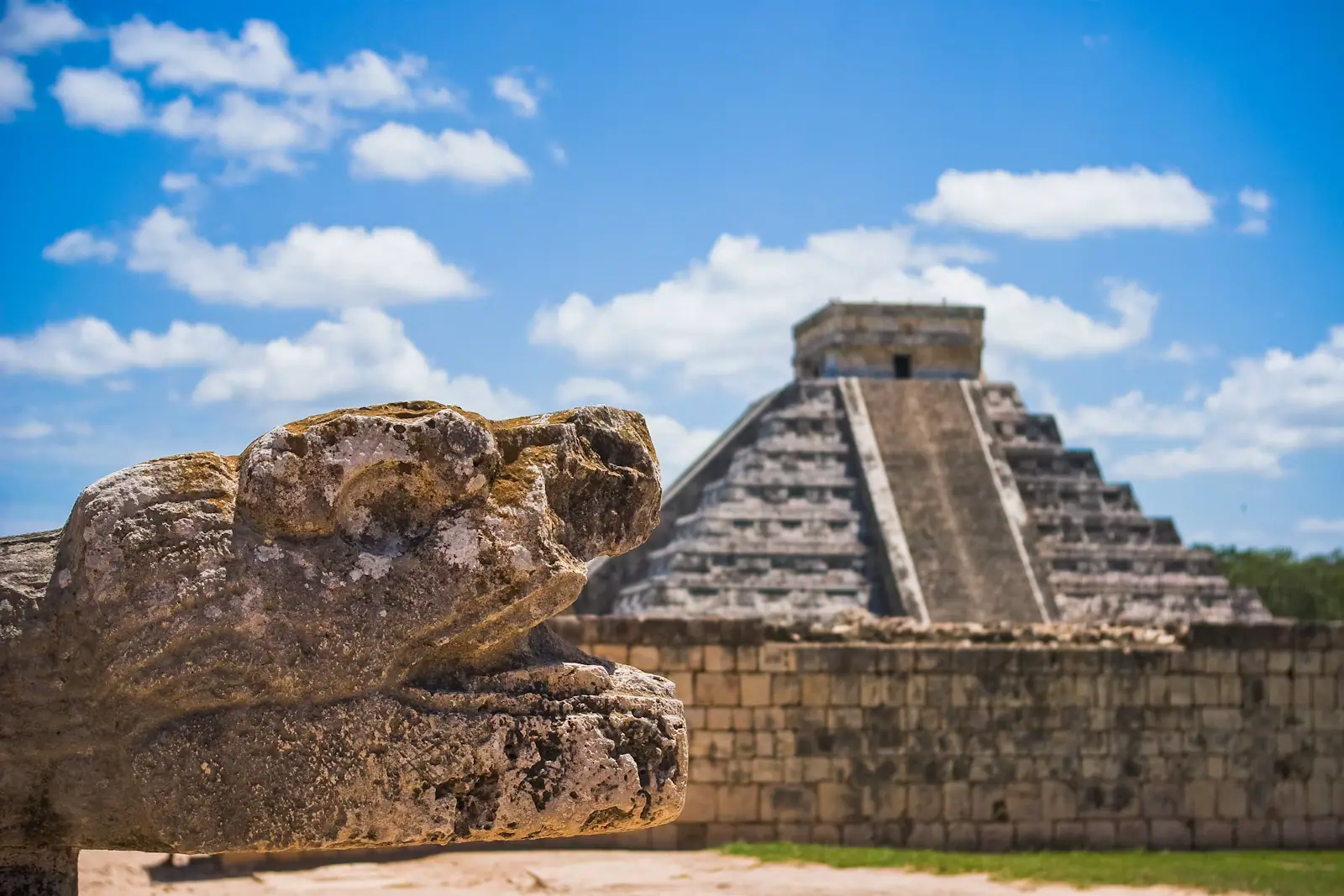
A final honest framing. Cozumel is not a ruins destination, it is not a nightlife destination, and it is not Tulum. San Gervasio is a real and worthwhile Maya site but it is a scatter of small structures in low forest, not a pyramid. The island closes earlier than visitors expect. And the single most common mistake made here — by cruise passengers and week-long guests alike — is spending the whole visit on land. Get in the water on day one. Everything else is the supporting cast.