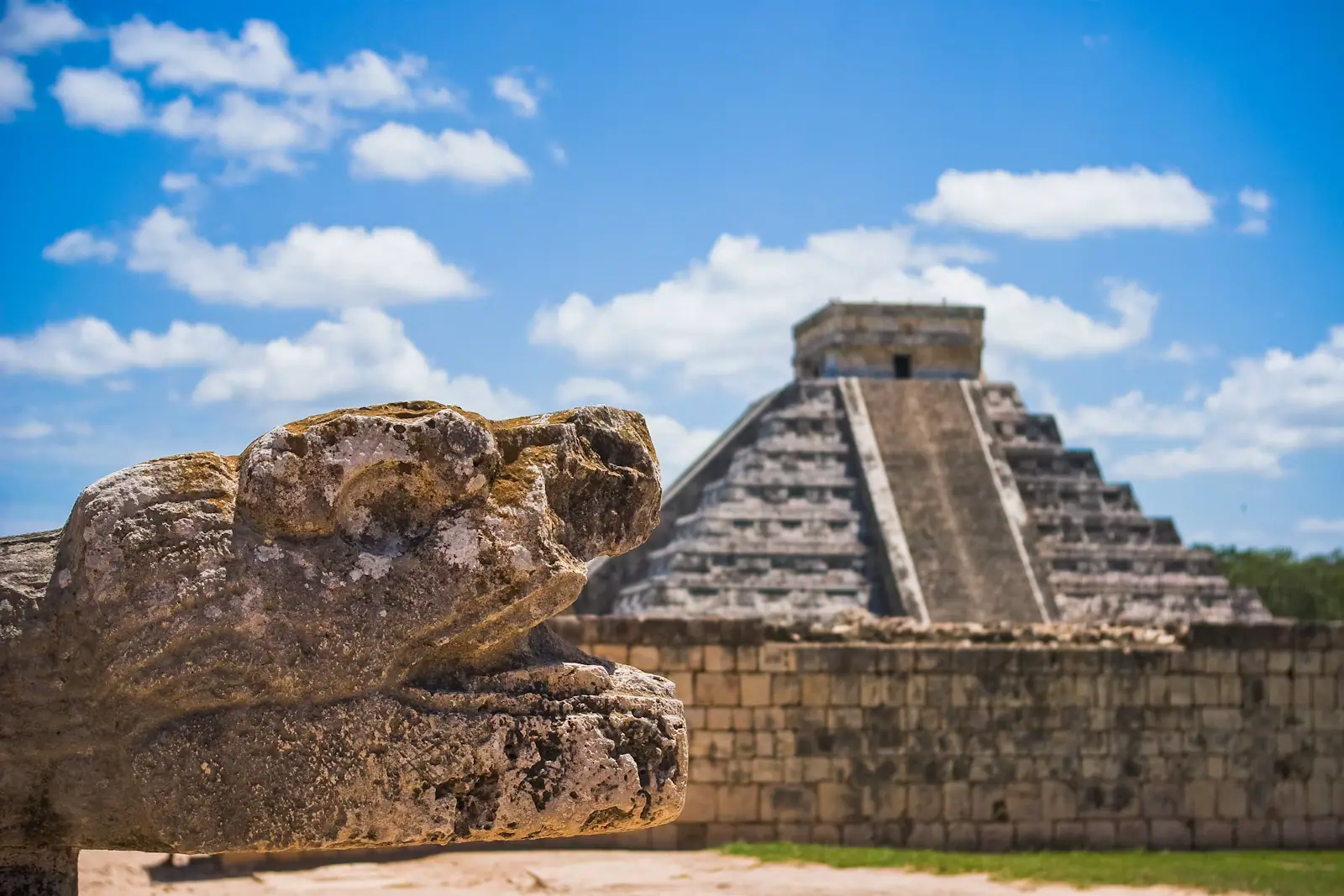
El Cedral is the oldest continuously significant place on Cozumel and the one most likely to disappoint anyone who arrives expecting archaeology. Set the expectation first: the surviving Maya structure here is a single small building, low, roofed for protection and about the size of a garden shed, standing on a patch of grass beside the modern village square. You can look at it properly in four minutes. Tour operators who sell El Cedral as "Maya ruins" without saying that are responsible for a great many irritated reviews.
What is actually here is better than that, but it is history rather than masonry. This was the island's principal settlement in the Maya period, occupied from around AD 800, and the Spanish who landed on Cozumel in 1518 came here. The site was destroyed and the island's population collapsed within a generation of contact, and for three centuries Cozumel was effectively empty.
The second founding is the story worth carrying. In 1848, families fleeing the Caste War on the Yucatán mainland crossed to the island and resettled at El Cedral, and they brought a wooden cross with them. Local accounts name Casimiro Cárdenas as the man who made a vow during the flight and, on arriving, held the first observance of Santa Cruz de Sabán. That observance has been held every year since. It grew into the Fiesta de la Santa Cruz y Feria de El Cedral, which runs from the end of April into the first days of May with processions, guild offerings, the traditional vaquería dance, rodeo, music, food and a fairground. It is the oldest continuous festival in the state of Quintana Roo, it is a village event rather than a tourist product, and it is the single best reason to come.
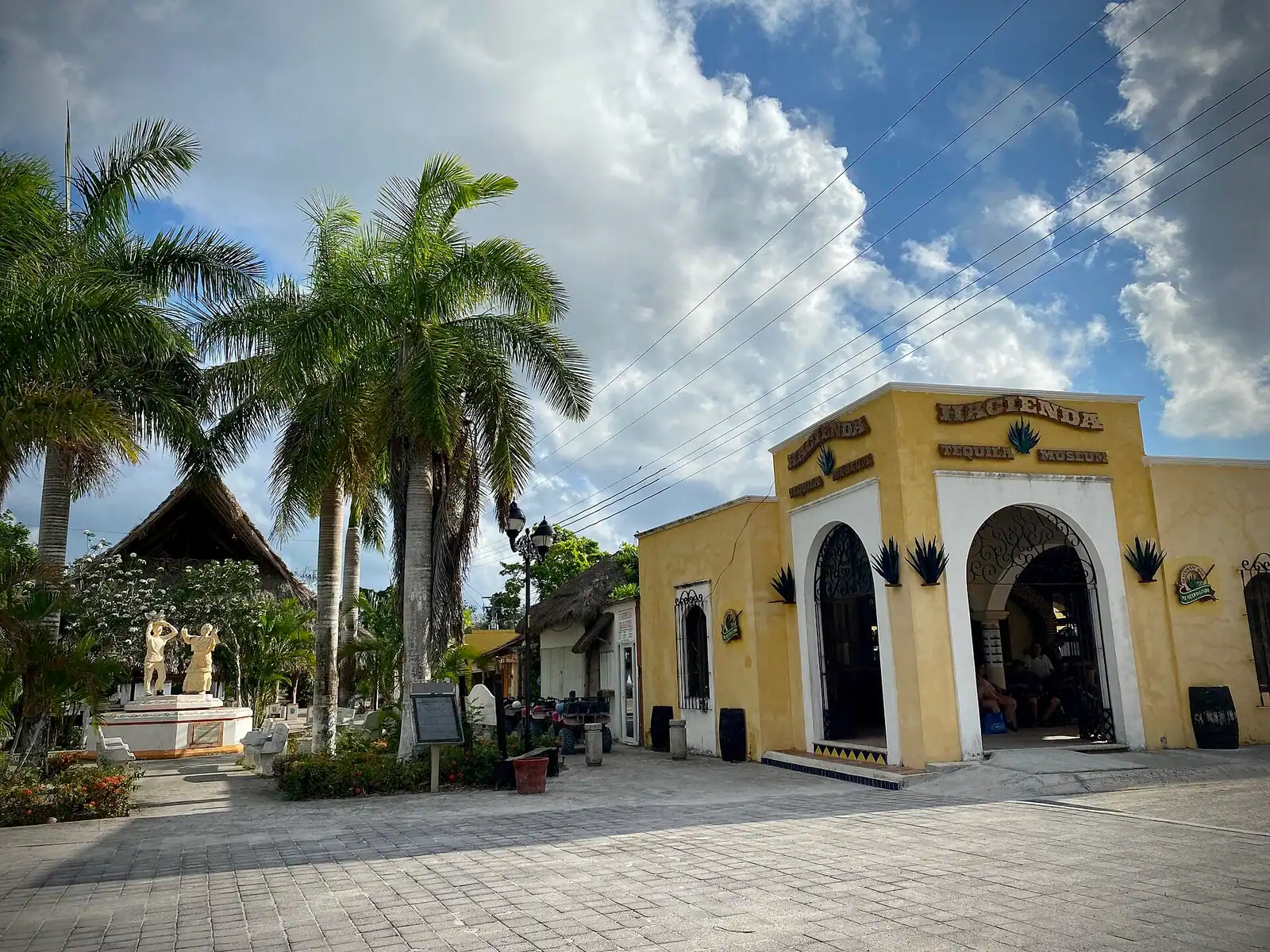
The rest of the year, El Cedral is a quiet grid of low houses around a green, with a small church, a few craft stalls aimed at excursion buses, and tethered animals. It takes twenty minutes and it is five minutes off the coast road. Come with the history in your head, or do not come at all.