Half day is four hours, typically 7:00 or 7:30 to around 11:30, or an afternoon slot. Full day is eight, usually 7:00 to 3:00. Add thirty minutes either side for the dock and the taxi.
Morning is the standard for a reason. The bite is generally better early, the channel is flatter before the afternoon breeze builds, and anybody prone to seasickness will have a substantially better time before the chop arrives. Afternoon trips are cheaper more often than not, and there is a genuine late bite, but the ride is rougher.
Half day or full day is the real decision, and it depends on what you came for. Four hours is enough to troll productively and catch dorado, tuna, wahoo and barracuda, because the blue water starts so close to shore. A billfish is a numbers game, and eight hours roughly doubles your chances. If a marlin is the point of the trip, book the full day.
Seasonally: billfish are strongest broadly from spring into midsummer, with tournaments clustered in late April and May. Dorado favour the cooler months. Something is catchable year-round.
Two weather facts that cancel trips. Hurricane season runs June to November with the real risk August to October. And in winter, nortes — northerly wind events, most likely December through February — put a hard chop on the channel and can shut small-boat operations for a day or two at a time. Book fishing early in your stay so there is room to move it.
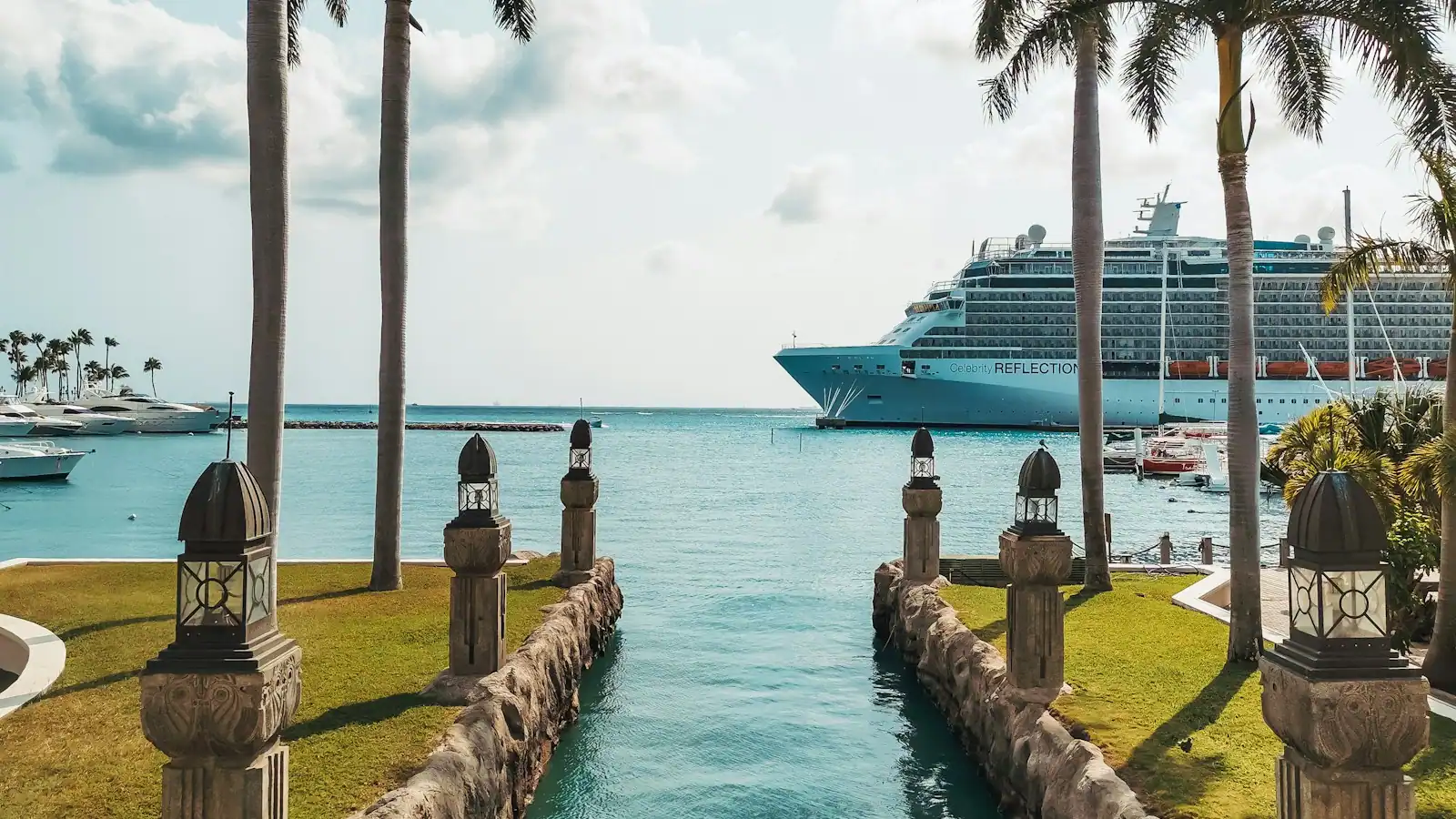
Cruise passengers: a four-hour morning charter fits a call starting by 8am with a mid-afternoon all-aboard. Tell the operator your ship name and all-aboard time, and do not book an afternoon slot.