Skip to content
Search
Menu

These go through Viator and earn us a commission. You pay the same as booking direct, and the commission did not choose the list.

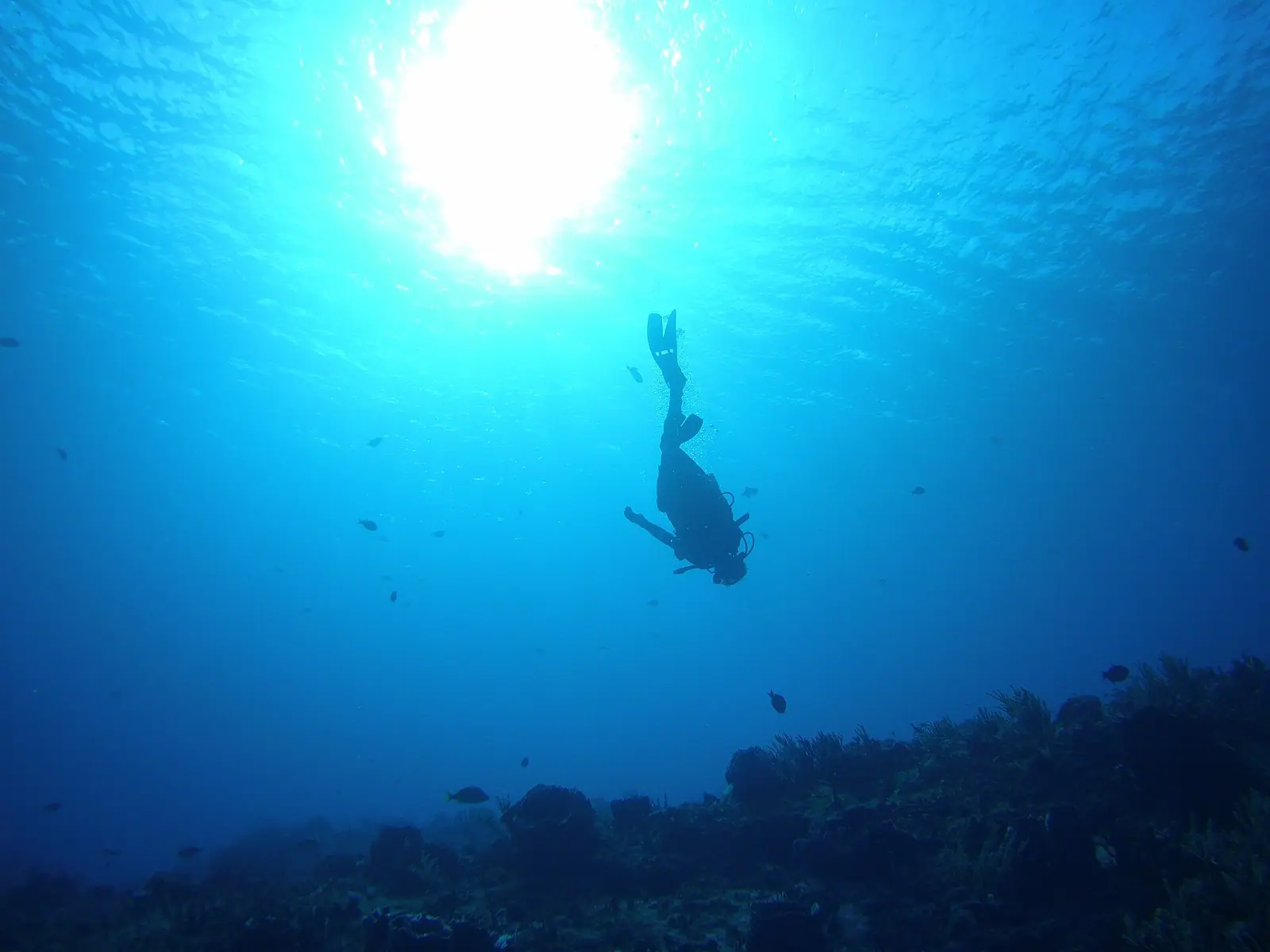
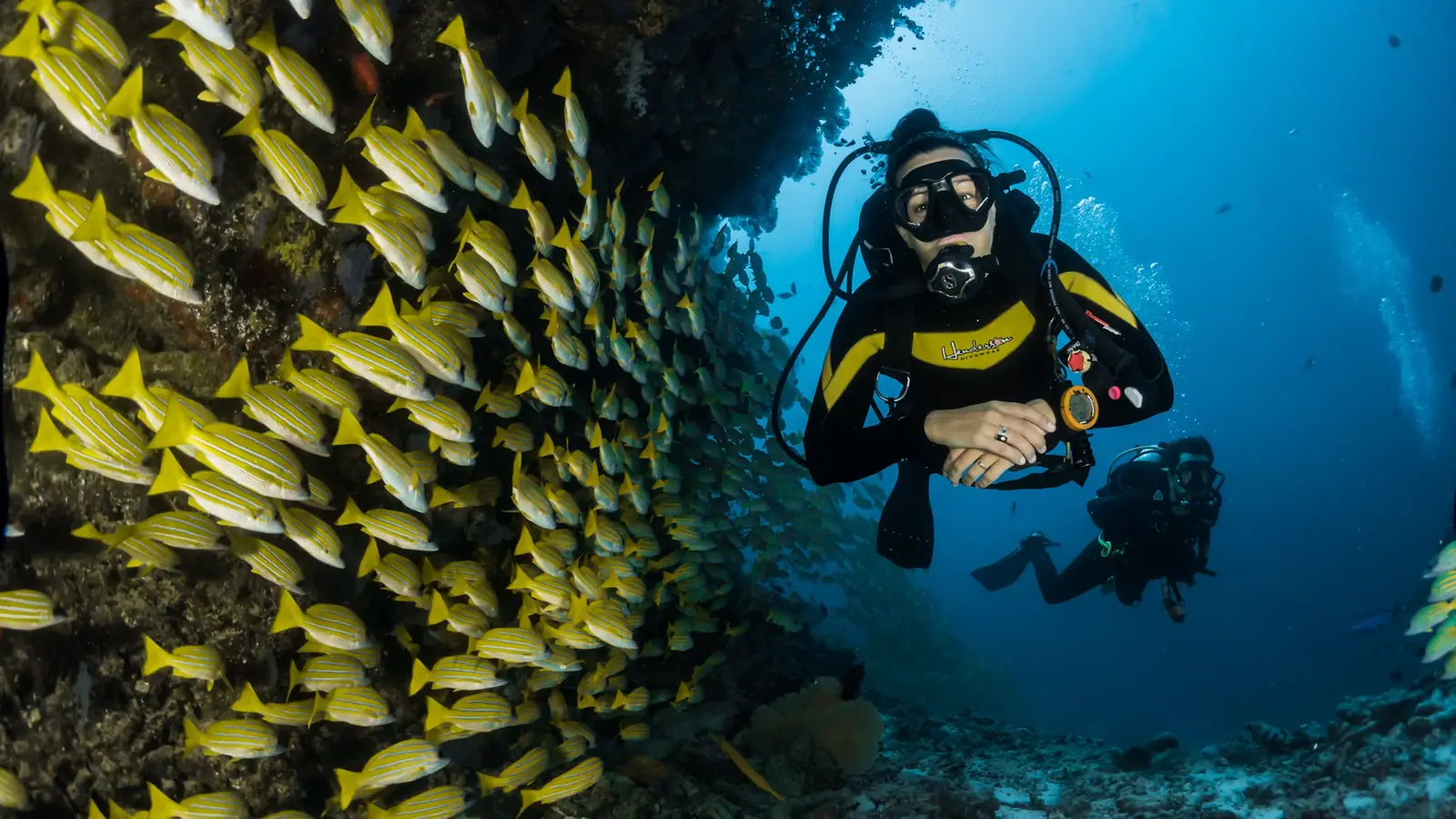
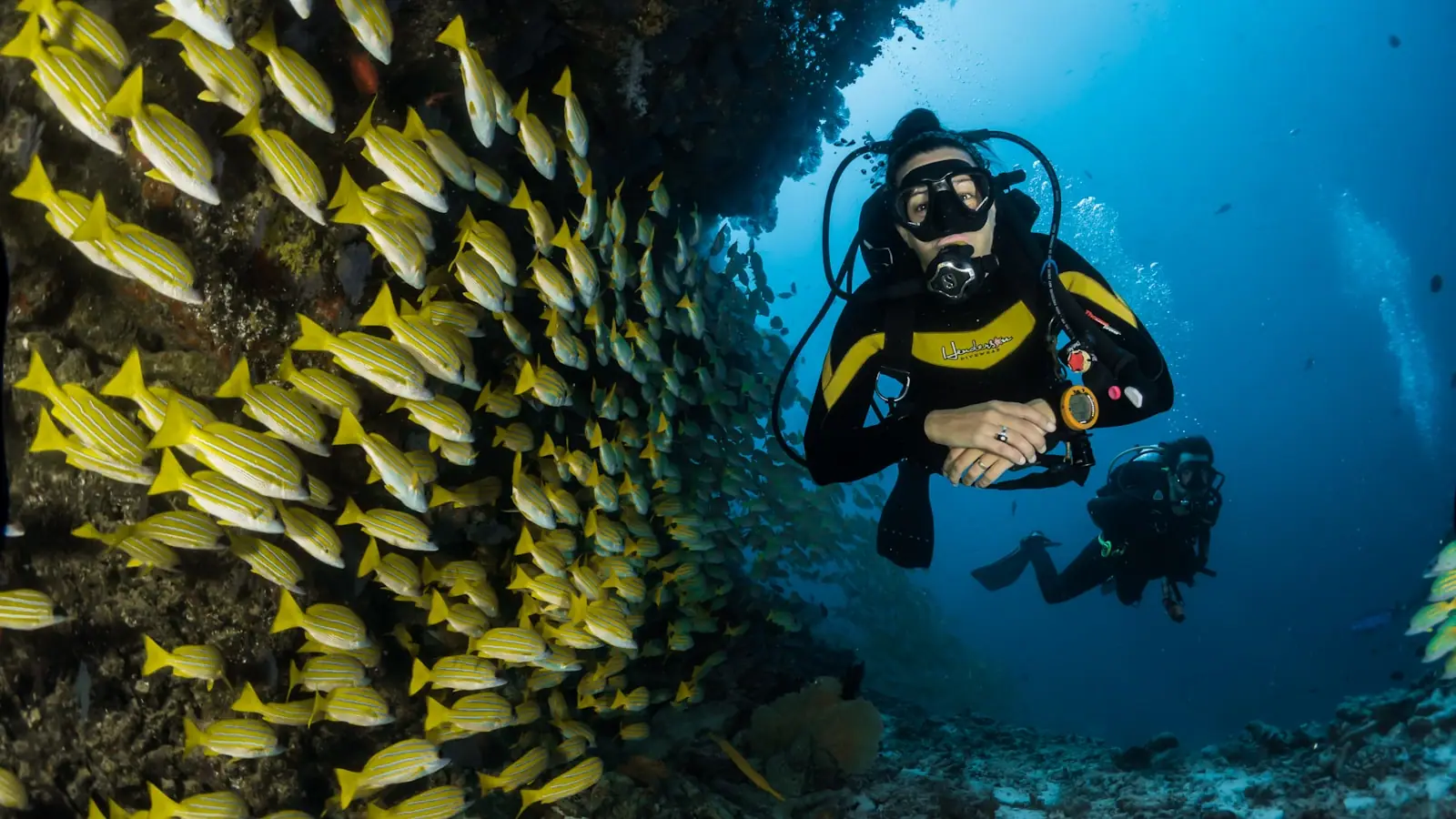
A diver drifting along a coral wall in clear blue water with sponges and sea fans on the reef face

Things to Do

Cozumel Scuba Diving

Last updated

Cozumel is a drift diving island and the current does the work. Palancar, Santa Rosa and Punta Sur, what a two-tank day costs, and cruise-day timing.

Cozumel is a drift diving island, and nearly everything else about diving here follows from that single fact. The Yucatán Current runs up the sheltered west side of the island from south to north, more or less all day, every day. Dive boats do not anchor and divers do not swim. You roll in, the group descends together, and the current carries you along the wall while the captain follows the bubbles and picks everyone up wherever they surface. The first time it happens it feels like cheating. Experienced divers who have spent their careers finning into current on a fixed mooring tend to spend the whole first dive grinning.

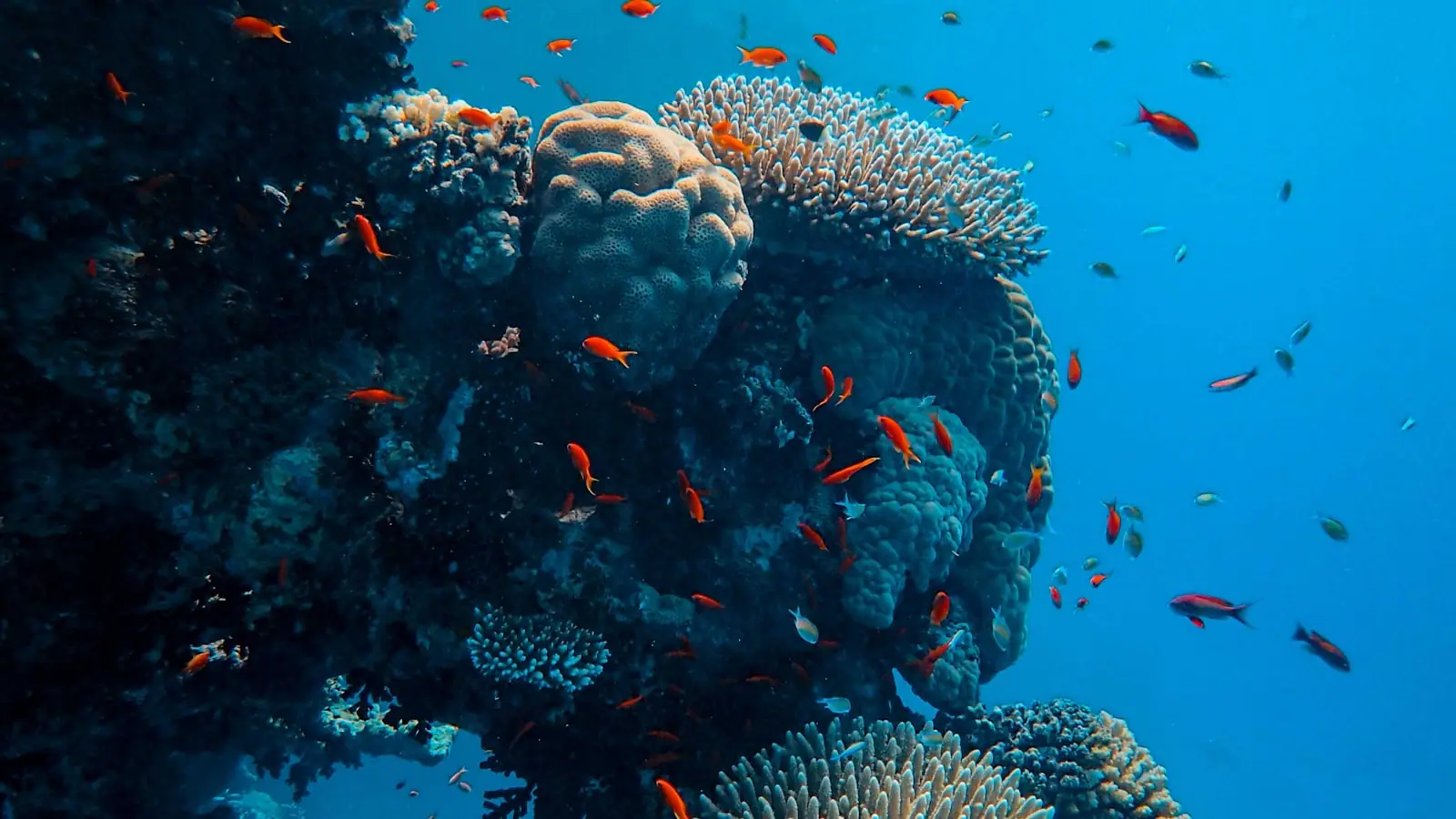
The reef itself is the northern end of the Mesoamerican Barrier Reef, the second largest reef system in the world, and it has been a Mexican national marine park since the 1990s. The named sites run down the leeward coast in a rough south-to-north order: Paradise Reef and Chankanaab Reef close to town and shallow, Santa Rosa Wall and Palancar in the middle where the drop-offs start, then Colombia and Punta Sur at the southern tip where the wall falls past 150 feet and the coral heads become cathedrals with tunnels through them. Palancar alone is four distinct dives — Gardens, Horseshoe, Caves and Bricks — which is why a week here does not repeat itself. Visibility routinely sits at 80 to 100 feet and often better, because the current is constantly flushing the reef with clean open-ocean water.

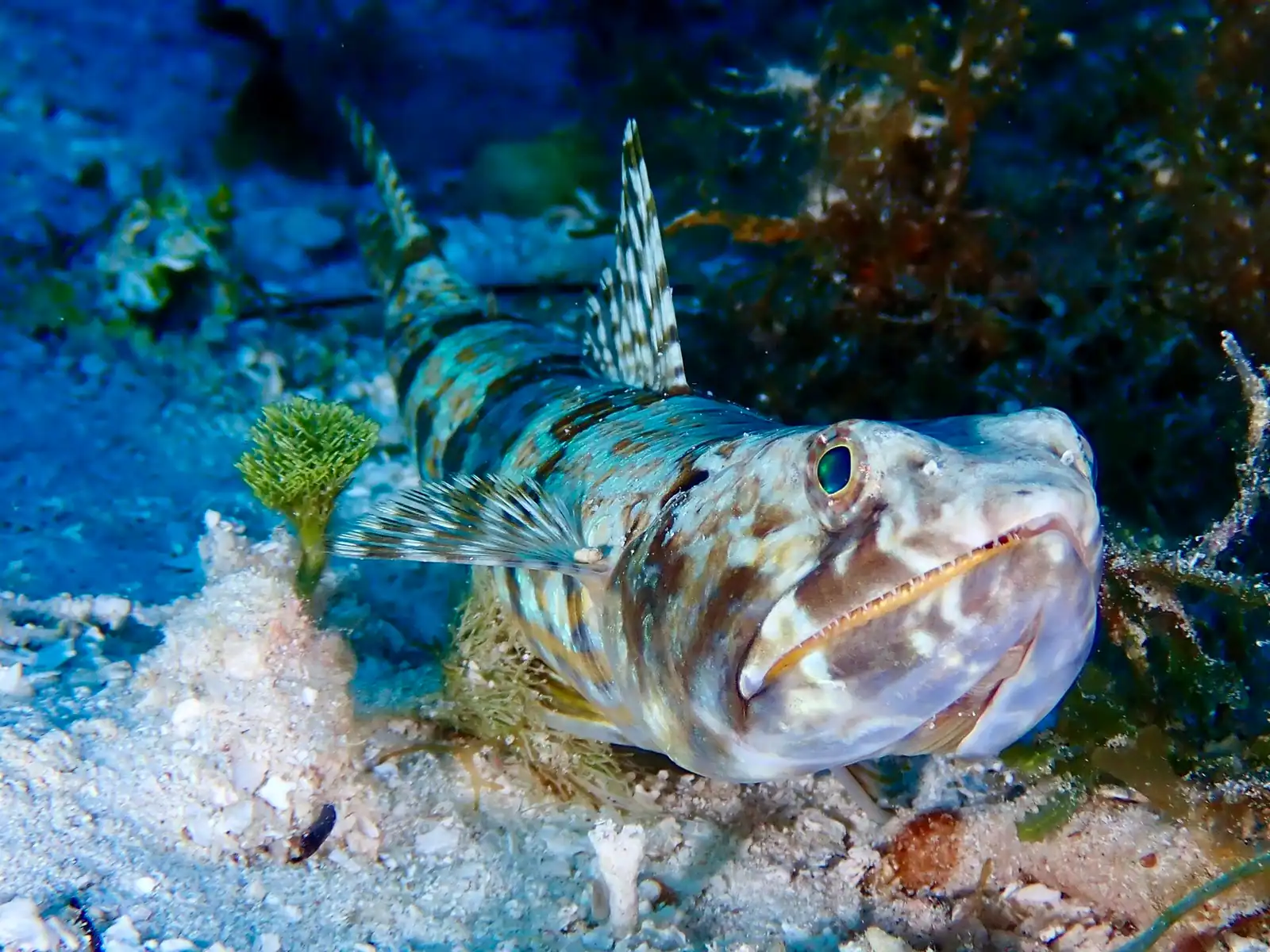
A standard day is a two-tank morning. Boats leave the hotel docks and the town piers between about 7:30 and 8:30, run twenty to forty-five minutes south depending on the site, dive deep first and shallow second, and are back by early afternoon. Afternoon single-tank trips work the shallower reefs near town, and night dives on Paradise Reef are the island's other signature, because the splendid toadfish that lives here is found nowhere else on earth and comes out after dark.

Two very different readers are looking at this page. If you are off a ship, the constraint is all-aboard time and nothing else. A two-tank morning fits an eight-hour call if the boat leaves on time, but the margin is thin, and independent operators who do not know your ship's schedule are the risk. If you are staying on the island, you can dive four or five days, take the afternoon slot, do a night dive and finish on the shallow reefs before you fly.

Two practical rules that apply to everyone. The marine park charges a per-person daily fee on top of your dive price, collected by the shop and handed to you as a dated wristband. And gloves are generally prohibited, touching or standing on coral is not allowed, and the reason is visible in the older photographs of these sites. Keep your hands to yourself and trim so your fins are not dragging.
Our picks

The ones we would book

  • Editor's Pick

    Best two-tank drift morning

    Why we chose it

    The trip to book first: an 8am departure that runs south to Santa Rosa Wall or Palancar, deep tank first along the drop-off and a long shallow second dive in the coral canyons. Look for a boat capped in the single digits, a proper current briefing, and a captain who follows bubbles rather than making you swim back to a fixed pickup point.

  • Best for Beginners

    Best first dive if you have never breathed underwater

    Why we chose it

    A Discover Scuba session that starts in confined water and finishes with one guided dive on Paradise Reef or Chankanaab, where the bottom sits in the 30-to-40-foot range and the current is usually mild. Ask what the instructor-to-student ratio is in the water. Two-to-one is the difference between a good first dive and a stressful one.

  • Best for Cruise Passengers

    Best dive day that gets you back before all-aboard

    Why we chose it

    A two-tank morning built around ship schedules, departing close to 8am from a pier-adjacent marina and docking by early afternoon. The thing that matters is not the dive sites; it is an operator who asks for your ship name and all-aboard time at booking and runs the nearer reefs when the schedule is tight.

    Jade Caverns
    Best for Cruise PassengersFree cancellationInstant confirmation

    Low Last Minute Supplier Cancellation Rate

    Jade Caverns and Mayan Village Cozumel ATV TOUR (opens in a new tab)

    1.2K reviews

    Ride your own single or double ATV in the company of your guide to go off-roading through astonishing trails in the jungle and Mayan…

    3–4 hours

    Prices checked

    from $75.05Usually $79
  • Small Group

    Best small-group boat

    Why we chose it

    Four to six divers changes the whole day. Briefings are longer, the guide can hold a slower profile over the coral heads at Palancar Gardens, and nobody is waiting twenty minutes to kit up. Worth the premium for photographers and for anyone who wants their air consumption managed rather than judged.

  • Best Value

    Best value for a multi-day diver

    Why we chose it

    The lower-priced two-tank boats work the same walls as everything else on the island; the current is free and it does not know what you paid. You trade elbow room and a leisurely briefing for a rate that makes five days of diving realistic. Check whether tanks, weights and the marine park fee are included before you compare numbers.

    Shared Snorkeling Tour Playa El Cielo in Cozumel
    Best ValueFree cancellationInstant confirmation

    Curated Catalog

    Shared Snorkeling Tour Playa El Cielo in Cozumel (opens in a new tab)

    108 reviews

    We offer a tour with all security measures Our Guides are fully certified Visits to the Palancar reefs, Arrecife Colombia, as well as the…

    4 hours

    Prices checked

    from $46.06Usually $49
  • Best Private Tour

    Best private guide for advanced sites

    Why we chose it

    Worth it if Punta Sur and Devil's Throat are the reason you came, or if your group spans an instructor and a nervous newcomer. A private boat picks its own sites and its own hour, which means running the southern points on a slack morning instead of whenever the schedule says. Bring your Advanced card; it will be checked.

How a Cozumel drift dive actually works

There is no descent line and no mooring. The boat runs upcurrent of the site, the divemaster gives a briefing that ends with "negative entry" or "regroup on the surface", everyone goes in together, and the group descends as a unit. From there you are flying. The reef scrolls past at anything from a gentle walking pace to a genuinely fast ride, and your job is buoyancy and staying with the guide, not swimming.

The current is not constant. It runs hardest along the exposed corners at Santa Rosa and Punta Sur, eases inside the coral canyons at Palancar Gardens, and can reverse or go slack for a day at a time without warning. Divemasters here read it constantly. If a group gets separated, the standard protocol is one minute of searching, then a slow ascent and a safety stop, and the boat comes to you — which is why a surface marker buoy is close to mandatory equipment on this island and most shops now insist on it.

Profiles are usually deep-then-shallow. The first tank might put you at 80 to 100 feet along a wall for eighteen or twenty minutes before working up into the shallows; the second tank stays between 30 and 60 feet for forty minutes or more. Because you are not working against the water, air consumption tends to be better than divers expect, and a 50-minute second dive is normal rather than exceptional.

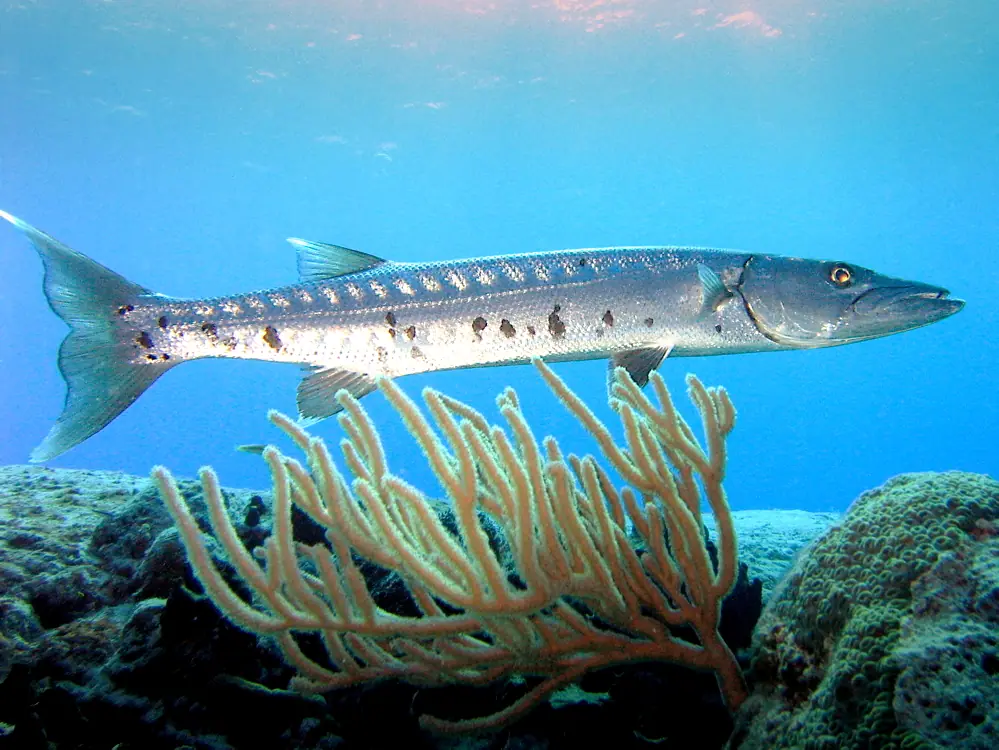
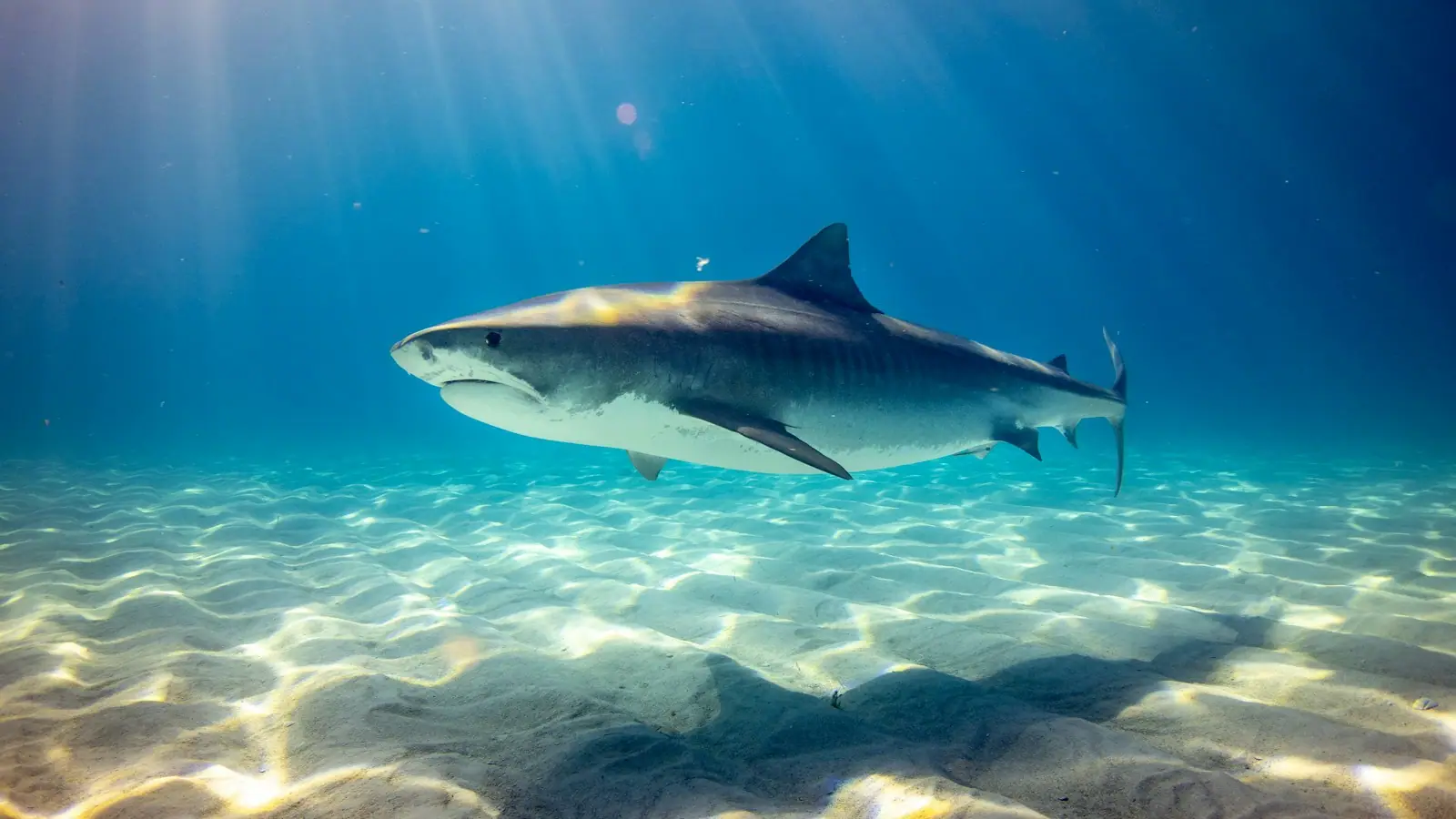
What you see: splendid toadfish hiding under ledges, green moray, hawksbill and green turtles, eagle rays in winter, nurse sharks sleeping under coral plates, enormous barrel sponges and black grouper. Not much in the way of big pelagics. This is a coral and structure dive, not a shark dive.

What diving costs in Cozumel

What it costs

Treat every figure here as a band. Shops adjust prices seasonally and the peso exchange rate moves, so confirm before you book.

  • Two-tank morning boat dive, certified divers: typically around $110 to $160 per person with tanks and weights. Full equipment rental usually adds roughly $25 to $40.
  • Single-tank afternoon or night dive: commonly $70 to $100.
  • Discover Scuba / try dive: generally $130 to $180 for a pool-or-shallow session plus one guided reef dive.
  • Open Water certification course: most shops land somewhere between $450 and $650 for the full three-to-four-day course.
  • Multi-day packages: booking five or six days of two-tank diving at once normally drops the per-day rate noticeably. Ask.

Two costs sit outside the dive price. The Cozumel marine park fee is charged per person per day for anyone diving or snorkelling inside the park, currently in the region of 200 to 250 Mexican pesos, roughly $12 to $15, and it is almost never included in an advertised dive price. Bring pesos; many shops prefer cash for this one item. And tipping the crew is normal here, commonly around 15 percent split between divemaster and boat crew.

Paying in pesos rather than dollars is worth real money. US dollars are accepted everywhere on the island, but the shop's own exchange rate is usually poor, and the gap compounds across a week of diving.

When to dive, and how long a dive day takes

When to go

A two-tank morning is roughly a five-hour commitment. Check-in and gear setup from about 7:30, boat out between 8:00 and 8:30, twenty to forty-five minutes south to the site depending on how far the boat runs, two dives with a surface interval of around an hour, back at the dock between 12:30 and 1:30. Afternoon single tanks run about two and a half hours. Night dives board around sunset and are back inside two hours.

Cruise passengers need to do that arithmetic against all-aboard, not against the ship's posted arrival. If your call is 8am to 4pm and all-aboard is 3:30, a two-tank morning works with an hour of slack. If you arrive at 10am, it does not, and a single-tank afternoon or a shallow snorkel trip is the honest answer. Tell any operator your ship name and all-aboard time when you book, and do not book the last departure of the morning.

Seasonally, the water sits between about 78°F in February and the mid-80s in late summer, so a 3mm suit or a shorty covers most of the year. Visibility is good year-round. Hurricane season runs June to November with real risk concentrated August to October. In winter, nortes — strong northerly wind events — can put the port under a closure that stops small boats and sometimes the ferry for a day or two at a time, usually between December and February. It is the single most likely thing to cancel a dive here.

If you are flying home, stop diving with enough margin. The standard conservative guidance is 18 hours after multiple dives before a flight, and the last dive day is the one people get wrong.

Who Cozumel diving suits, and who it doesn't

Newly certified divers do very well here, on the right sites. Paradise Reef, Chankanaab and Palancar Gardens are shallow, forgiving and gentle on a normal day, and because you are not finning, air lasts. Say your experience level honestly when you book; a good shop will split the boat or put you with a guide who slows down.

Divers who hate work are the natural audience. If your idea of a good dive is hanging in clean water watching structure go by, this is close to the best island in the Caribbean for it.

Photographers should think twice about which sites. Drift makes composition hard, and a fast day at Santa Rosa is not the dive to get a macro shot of a toadfish on. Book the shallower northern reefs, or a private guide who will hold a slower profile.

Advanced divers get Punta Sur and Devil's Throat, a vertical tunnel that starts near 80 feet and exits around 130 to 135 feet at the edge of recreational limits. It is genuinely an overhead environment with unpredictable current, it needs Advanced certification and real comfort at depth, and it is not the dive to do on your first day off the plane.

Skip it if you are not certified and not willing to do a try dive, or if you are diving on the last day before a flight. And if anyone in the group is uneasy about being carried by water they cannot swim against, do the snorkel trips instead and enjoy them. Cozumel's shallow reefs are extraordinary from the surface.

Book it

Everything else we track

These go through Viator and earn us a commission. You pay the same as booking direct, and the commission did not choose the list.

Sharing, or having it to yourselves

Most of what is bookable here sells two ways, and the cheaper one is not always the cheaper one. A shared departure is priced per person; a private booking is priced for the party, so the arithmetic flips somewhere around four to six people — and it is the only version where you pick the time. Check the party size each listing actually covers before you decide.

  • Book a seat

    A shared departure, priced per person. The cheapest way to do this for one or two people.

  • Book the whole thing

    Priced for the party rather than the seat, and you choose the departure time.

What to bring on the boat

What to bring

Most Cozumel boats are open, fast and have very little shade, and you will be on one for five hours.

  • Reef-safe sunscreen, applied well before you kit up. The marine park discourages oxybenzone-based products, and boat crews will often say so directly.
  • A surface marker buoy and a whistle. On a drift island this is not optional kit. Many shops require an SMB and some will rent you one.
  • Your certification card and logbook. Punta Sur and Devil's Throat need Advanced Open Water and shops do check.
  • Pesos in cash for the marine park wristband and crew tips.
  • A light windbreaker or rash guard. The run south at 8am is wet and cooler than it looks, and the second surface interval in January is genuinely chilly.
  • Motion sickness tablets taken the night before if you are prone. The crossing is short but the boats are light and the chop off the southern points builds in the afternoon.
  • A hat with a cord and cheap sunglasses. Both go overboard regularly.

Leave gloves at home. They are generally prohibited in the marine park, because gloves are what make people feel comfortable grabbing coral. If you need hand protection for a specific medical reason, ask the shop first rather than turning up with them.

How to choose a dive operator

How they compare

The boat and the group size decide your day far more than the shop's logo does.

Boat / formatTypical diversBest forTrade-off
Large cattle boat, 16 to 20+16–20Lowest price, fixed daily scheduleLong kit-up queues, mixed skill levels, hurried briefings
Standard six-pack or eight-pack6–8Most visitors; balanced price and attentionFixed departure times, less site flexibility
Small group, capped at 4 to 64–6Photographers, nervous divers, longer bottom timesHigher per-person price
Private guide or private boat1–4Choosing your own sites and hours, mixed-ability groupsMost expensive unless you fill it

Four questions sort the field fast. How many divers on the boat, and what is the guide-to-diver ratio? Does the boat pick up at your hotel dock or do you taxi to the marina? — a dock pickup saves a peso-negotiated taxi ride at 7am. Which sites does the boat actually run, because the southern sites mean a longer, wetter ride and some shops rarely go. And what is the policy when someone runs low on air early, which tells you more about the shop than any review.

Cruise passengers have one extra filter: book with an operator that explicitly guarantees return before all-aboard and knows the pier schedule. Diving through the ship costs more and gives you the ship's protection if the boat runs late. Diving independently is usually better and cheaper, and the responsibility is yours.

Currents, the park rules and the things that go wrong

Before you book

The current is the site. It is also the thing that hurts people. Downcurrents happen along the walls at Santa Rosa and Punta Sur — a column of water moving down the face rather than along it. The response is to swim away from the wall out into blue water, not to fight upward against it, and it is worth having heard that before it happens rather than during.

Devil's Throat is a cave, not a swim-through. It starts near 80 feet, exits at around 130 to 135 feet, and there is no direct route to the surface from inside it. Advanced certification, good gas management and honest self-assessment are the minimum. Shops that will take anyone into it are telling you something.

Marine park rules are enforced. No gloves, no touching, no standing on coral, no taking anything, no feeding fish. Reef-safe sunscreen only. The daily wristband is checked, and diving without one puts your operator's permit at risk, not just your day.

The reef is not decoration. A fin kick into a sea fan destroys decades of growth. Get your buoyancy sorted on a shallow dive before you take it to a wall.

Weather closes the port. Nortes in winter and tropical systems from June to November can shut small-boat operations with very little notice. If you have flown in specifically to dive, build a spare day into the trip and do not book your certification course for the last two days of the week.

Do not dive then fly the same day. Give it 18 hours after repetitive diving. It is the most common preventable injury on any dive island, and Cozumel's nearest chamber is on the island, which is a comfort you would rather not test.

On the ground

Where to go

Every place below has its own page — hours, parking, what it costs and what to expect when you get there.

  • A diver drifting along the face of a coral wall in very clear blue water, the reef dropping away below

    Water feature

    Palancar Reef

    Three and a half miles of coral wall off Cozumel's southwest shelf, sold as one name and dived as four very different sites.

    4–6 hoursNot free in practice: you need a boat, and everyone entering the national park by boat pays a per-person daily park fee on top of the trip.

  • A diver hanging beside a vertical coral wall that drops away into deep blue water

    Water feature

    Santa Rosa Wall

    The reef crest sits at about fifty feet and then simply stops, and everything below it is blue for as far as your light goes.

    3–5 hoursNot free in practice: dive-boat access only, plus the per-person daily national park fee that applies to everyone entering the park by boat.

  • Tall coral formations rising from a white sand seabed in very clear blue water

    Water feature

    Columbia Reef

    Cozumel's southernmost big reef, and the one place where the same name sells a 90-foot pinnacle dive and a waist-deep snorkel stop.

    4–7 hoursNot free in practice: reachable only by boat, and every person entering the national park by boat pays a per-person daily park fee on top of the trip price.

  • Coral heads, sea fans and sponges on a shallow fringing reef in very clear water
    Free

    Water feature

    Dzul-Ha Reef

    A living reef close enough to the rocks that you are over coral within a minute of going down the ladder.

    1–3 hoursThe reef itself is free to swim over. Shoreline access has historically been free at the venue above it, with food, drink, loungers and gear rental charged separately.

  • A white lighthouse standing above low coastal scrub and dunes at the tip of a Caribbean island

    Park

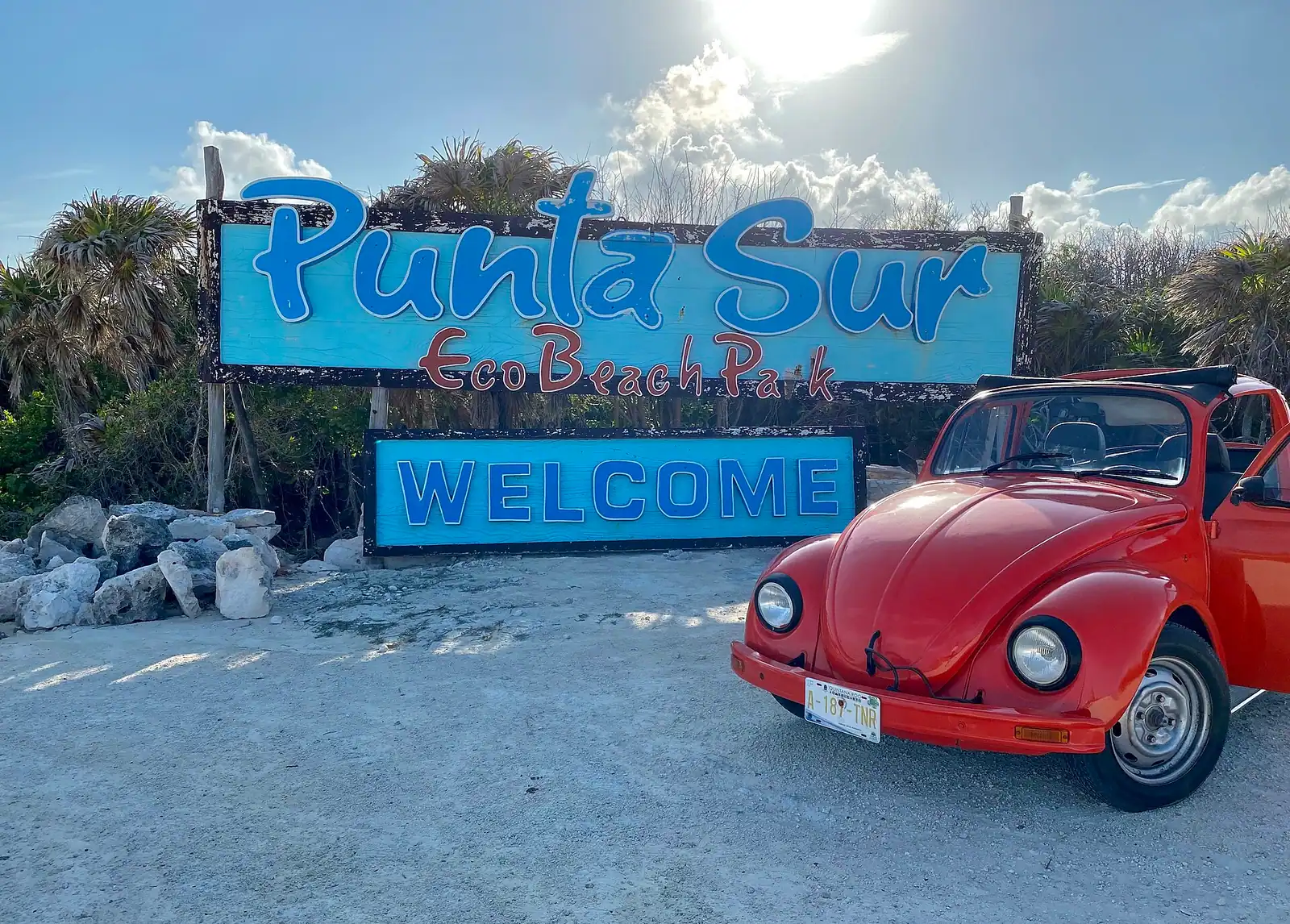
    Punta Sur Eco Beach Park

    A thousand hectares on Cozumel's southern tip that you drive through rather than walk, ending at a lighthouse and a crocodile lagoon.

    2–5 hoursPaid park, charged per person at the gate, with a reduced rate for children. Your vehicle then drives the internal road at no extra charge.

  • Coconut palms leaning over a quiet curve of pale sand beside flat clear water

    Beach

    Playa Palancar

    Real palm shade, no DJ, and a ten-minute boat ride to Palancar Gardens and the El Cielo sandbar.

    3–7 hoursA modest day pass covering a lounger and umbrella; food, drink, boat trips and rentals are charged separately.

  • A low coral ridge with sponges and sea fans in shallow, brightly lit water

    Water feature

    Paradise Reef

    Thirty to fifty feet of easy reef a few minutes south of the cruise piers, and the best night dive on the island.

    2–4 hoursNot free in practice: boat access, plus the per-person daily national park fee charged to everyone entering the park by boat.

Straight answers

Questions people actually ask

How much does it cost to dive in Cozumel?

A two-tank morning boat dive for certified divers generally runs about $110 to $160 per person including tanks and weights, with full gear rental adding roughly $25 to $40. Single-tank afternoon and night dives usually sit between $70 and $100. On top of that, everyone pays the marine park fee, currently in the region of 200 to 250 pesos per person per day, and crew tips of around 15 percent are customary. Multi-day packages cut the daily rate.

What is drift diving and is it hard?

Drift diving means the boat does not anchor and you do not swim. The current carries the group along the reef while the captain follows the bubbles and picks you up wherever you surface. It is easier than normal diving, not harder, because you are not working against the water and your air lasts longer. The skill it demands is buoyancy control and staying with the group, and a good divemaster will brief exactly that before you roll in.

Can cruise passengers go scuba diving in Cozumel?

Yes, and it is one of the island's best cruise-day activities, but the maths has to work. A two-tank morning takes roughly five hours door to door, so it fits a call that starts by 8am with all-aboard in the mid-afternoon. It does not fit a 10am arrival. Give the operator your ship name and all-aboard time when you book, and avoid the last morning departure. Booking through the ship costs more and buys you schedule protection.

What are the best dive sites in Cozumel?

Palancar is the headline and is really four dives — Gardens, Horseshoe, Caves and Bricks — with coral heads big enough to swim through. Santa Rosa Wall is the classic drop-off. Colombia and Punta Sur at the southern tip have the deepest structure and the most dramatic tunnels. Paradise Reef and Chankanaab sit shallow and close to town, which makes them the night-dive and new-diver sites. All of it is the northern end of the Mesoamerican Barrier Reef.

Do you need to be an advanced diver to dive Cozumel?

No. Open Water divers dive here happily every day on the shallower reefs, where the profiles stay above 60 feet and the current is usually mild. What does require Advanced Open Water is the southern deep structure, specifically Punta Sur and the Devil's Throat tunnel, which starts near 80 feet and exits around 130 to 135 feet in an overhead environment with unpredictable current. Shops check certification for those sites, and the ones that don't are a reason to book elsewhere.

What is the Cozumel marine park fee?

It is a per-person, per-day conservation fee charged by Mexico's national park authority for anyone diving or snorkelling inside Parque Nacional Arrecifes de Cozumel. Your dive shop collects it and gives you a dated wristband as proof. It currently sits in the region of 200 to 250 Mexican pesos, roughly $12 to $15, and is almost never included in an advertised dive price. Bring pesos in cash; many shops prefer it for this charge.

When is the best time of year to dive in Cozumel?

Diving is good year-round with visibility that rarely disappoints. Water temperature runs from about 78°F in February to the mid-80s in late summer. The risks are seasonal rather than the diving: hurricane season is June through November with the real concentration in August to October, and in winter, northerly wind events called nortes can close the port to small boats for a day or two. If you have flown in specifically to dive, build a spare day into the itinerary.

Are gloves allowed when diving in Cozumel?

Generally no. Gloves are prohibited in the marine park under normal circumstances, along with touching or standing on coral, taking anything from the reef and feeding fish. The reasoning is practical rather than symbolic: gloves make divers comfortable grabbing things, and this reef has been worn down by exactly that. If you need hand protection for a documented medical reason, raise it with the shop before the boat, not on it.