Skip to content
Search
Menu

These go through Viator and earn us a commission. You pay the same as booking direct, and the commission did not choose the list.

A small boat at anchor over clear shallow water off an undeveloped mangrove shoreline
Unsplash

Nature preserve

Cozumel Pearl Farm

Last updated

A working oyster farm on a roadless shore, visited by one small boat a day and booked months ahead by people who like that.

North of Cozumel's last hotel the paved road runs out, and past that there is nothing on the coast for miles except mangrove, scrub and a beach nobody walks on. Somewhere along that shore, reachable only by boat, is a family-run pearl farm: a palapa, some sheds, a small laboratory, and out in the shallows a grid of suspended lines holding tens of thousands of oysters.

The operators describe it as the only working pearl farm in the Caribbean, and nobody has publicly contradicted them. What is not in dispute is that the setting is genuinely unlike anything else sold on this island. There is no road in, no other business within sight, and no possibility of a second boat arriving while you are there, because the whole operation runs on a hard single-figure cap per departure. The practical effect is that you spend a day in a place that feels like private property, which it broadly is.

The visit itself is a working tour rather than an attraction. Someone explains how a pearl is actually made — the nucleus, the graft, the years of waiting, the percentage that comes out worth anything at all — and then shows you the lab bench where that happens. Then you get in the water above the farm with a mask and look down at the lines and the fish that have colonised them. Structure in open water becomes reef whether anyone intended it or not, and the farm is a good demonstration of that. Lunch is cooked on site, usually fish, and eaten under thatch with nothing to look at but water.

Two honest limitations. This is not a reef dive and not a substitute for Palancar or El Cielo: the snorkelling here is interesting because of what it is rather than because of the coral. And an operation this exposed lives at the mercy of hurricanes, which have set the farm back before and will again — a season lost to a storm is a normal part of the business here.

The other thing to plan around is time. The whole experience runs something like six hours door to door, including the crossing. That is a full day, and it does not fit comfortably inside a cruise call.
Getting there and parking

Boat only. There is no road to the farm, no public landing and no way to arrive independently — the north coast of Cozumel beyond the end of the paved road has no access of any kind.

Visits depart by small boat from a dock on the west coast north of San Miguel, not from the cruise piers, and the operator tells you exactly where when you book. Confirm it then rather than on the morning, and allow time to find it: a taxi driver will know the marinas, and the fixed zone fare should be agreed before you set off.

The crossing runs around the northern end of the island and takes a substantial part of an hour each way, depending on sea state. It is an open boat on open water for part of the way, so wind matters, and a departure will be cancelled rather than attempted in a norte.

There is no parking at the farm, obviously, and nowhere to leave anything at the dock. Travel light and take valuables with you.

What you actually learn

The interesting part of a pearl farm is how slow and how uncertain it is, and the tour does not hide either.

A cultured pearl starts with a small implanted nucleus and a graft of mantle tissue from a donor oyster. If the animal accepts it — and many do not — it begins laying down nacre around the intrusion, at a rate measured in fractions of a millimetre a year. Getting a pearl worth selling takes years of the oyster staying alive, in clean water, at the right temperature, on a line somebody keeps cleaning.

Every stage of that is visible here rather than described. The lines are outside in the water. The grafting bench is in a shed you walk into. The graded pearls come out in a tray, including the misshapen and discoloured majority that will never be jewellery, which is the part most people find genuinely surprising.

There is a shop element at the end, which is the farm's revenue model and is stated plainly rather than sprung on you. Nobody has to buy anything, and the pressure to do so is, by every account, mild.

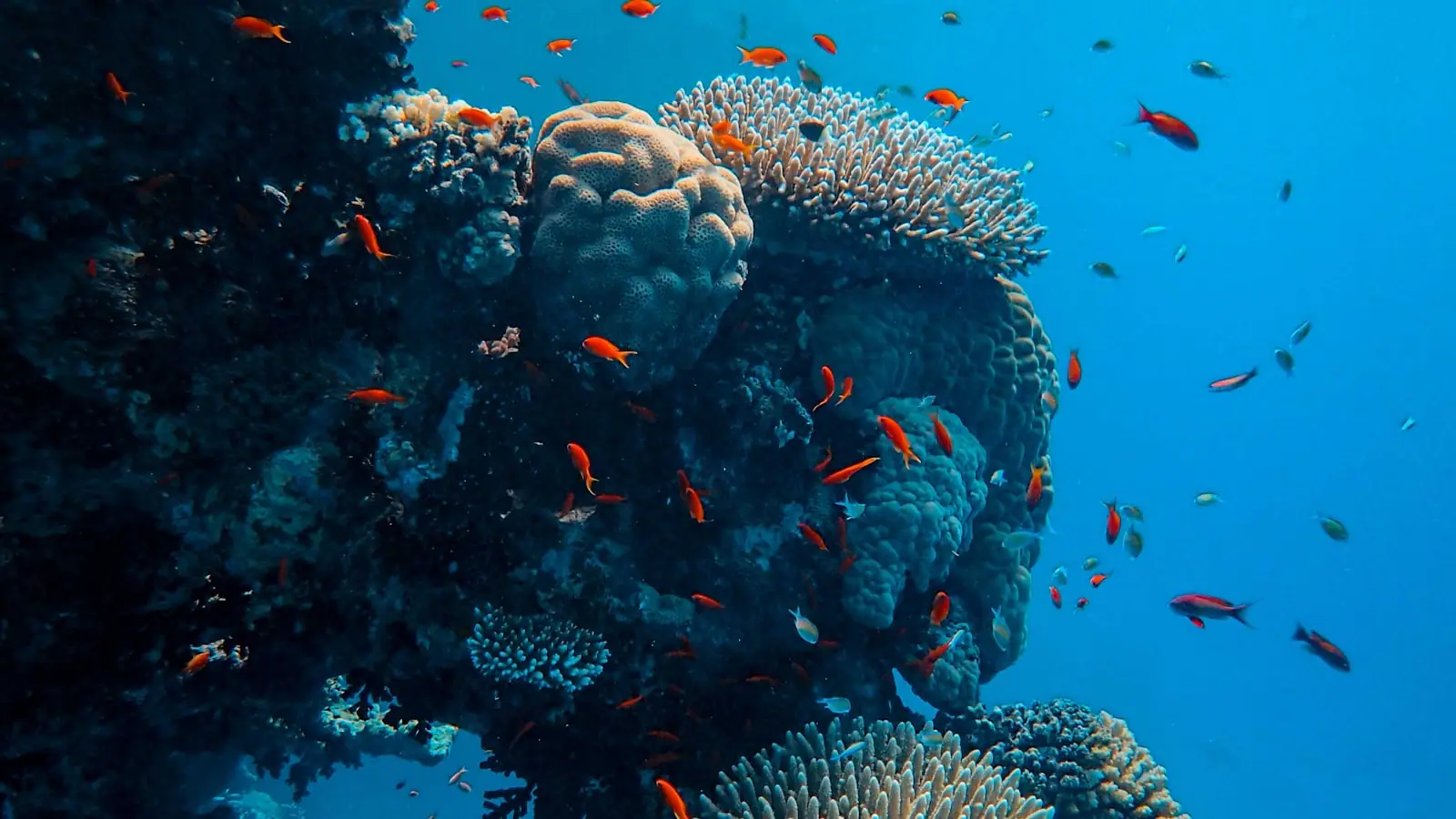
You also get a small lesson in Caribbean marine biology by accident. The farm's suspended lines have become an artificial reef supporting fish, sponges and hydroids, which is why the snorkel over them is worth doing even though there is no coral head in sight.

The visitor cap, and why you have to book early

This is the single most important practical fact about the pearl farm: it takes a very small number of people a day, in single figures, on one boat.

That cap is the whole reason the experience is what it is, and it means the farm is routinely booked out weeks or months in advance, especially between December and April. Turning up in Cozumel and trying to arrange it for the day after tomorrow usually does not work.

Book direct and book early. Confirm the departure point when you book — it is a dock on the west coast north of San Miguel rather than the cruise piers, and it is not somewhere you should be finding for the first time ten minutes before a departure.

If the sea is up, the trip does not run. A small boat crossing to an unsheltered north-coast landing is exactly the sort of operation that a norte between November and March cancels, and the farm will usually reschedule rather than refund. Leave yourself a spare day in the trip if this is the thing you most want to do.

Tell them in advance about anyone who is not a confident swimmer, or who cannot manage a step down into a boat. With a group this small, they can actually accommodate people, which is not true of a catamaran carrying eighty.

What the day looks like

Reckon on roughly six hours from meeting the boat to getting back to it, with the crossing taking a meaningful chunk at each end — the farm is on a shore you cannot drive to, and the boat goes around the top of the island to reach it.

A typical shape: morning departure, a boat ride up the coast, a guided walk through the farm and the lab, a snorkel over the growing lines, lunch cooked on site, and time doing nothing on a beach with no one else on it before the return.

Bring sun protection that works in the water, a hat, and reef-safe sunscreen — you are swimming directly above a shellfish farm, and what comes off your skin ends up in their water. Bring cash in pesos for tips and for anything you decide to buy.

Do not bring an expectation of shops, ATMs or mobile signal. The north coast has none of those things.

The wider timing rule for Cozumel applies here too: if you are diving elsewhere on the trip, leave at least eighteen hours between your last dive and any flight, and remember that this is a snorkel day rather than a dive day, so it makes a sensible last-day activity in a way that a two-tank morning does not.

Cruise passengers: the honest answer

Most cruise passengers should not attempt this, and the maths is the reason rather than the price.

A six-hour experience inside a six-to-eight-hour call leaves you no margin at all, and the margin is where the risk lives. You are adding a taxi from the piers to a west-coast dock, a boat crossing to a shore with no road out, and a return that depends entirely on the sea behaving. If the wind gets up while you are at the farm, the boat waits for conditions, and the ship does not wait for you.

Ships with an unusually long call — a late all-aboard, an overnight in port — change that calculation, and some passengers do make it work by booking direct and being explicit about their all-aboard time when they do. Be explicit, and build in at least two hours of slack.

For everyone else, the substitutes are good. A half-day reef snorkel to Palancar or El Cielo delivers better water in three hours from the pier. Chankanaab gives you a park, a shore snorkel and a botanical garden within twenty minutes.

If the pearl farm is what you want, it is an argument for coming back to Cozumel on a stay rather than a call — which, on an island this heavily set up for day visitors, is a recommendation worth making plainly.

Tours that visit Pearl Farm

Operators run these trips past Pearl Farm, or stop there as part of a longer route. We list what the booking data supports — not everything that mentions the name.

These go through Viator and earn us a commission. You pay the same as booking direct, and the commission did not choose the list.

Shared departurespriced per seat, best value for one or two

Private and small-group optionsoften cheaper per head for a family or a group of six

Near Pearl Farm

Straight-line distances, so allow more on the road — the island is long and has one main parkway.

  • Thatched loungers on a long empty white-sand beach beside very pale shallow water

    Beach

    Isla de la Pasión

    A kilometre of white sand in a lagoon so shallow you can wade a hundred metres out, reached by a five-minute boat ride from nowhere.

    4–7 hoursPaid access only, sold as a day package: the crossing plus lounger, buffet lunch, open bar and usually kayaks and paddleboards.4.7 mi away

  • A small waterfront town seen from the water, with a seafront promenade and low buildings behind it
    Free

    Neighbourhood

    San Miguel de Cozumel

    The island's only town, where the price of the same beer halves somewhere between the waterfront and Avenida 30.

    1–4 hoursFree. The malecón, the main square and the waterfront cost nothing to walk.10.5 mi away

  • A cruise ship berthed alongside a pier with a low waterfront town spreading behind it
    Free

    Landmark

    The Cozumel Malecón

    A seafront promenade that belongs to the cruise crowd until five and to San Miguel every evening after that.

    1–3 hoursFree. Walking the malecón and the main square costs nothing at any time of day.10.6 mi away

  • A low coral ridge with sponges and sea fans in shallow, brightly lit water

    Water feature

    Paradise Reef

    Thirty to fifty feet of easy reef a few minutes south of the cruise piers, and the best night dive on the island.

    2–4 hoursNot free in practice: boat access, plus the per-person daily national park fee charged to everyone entering the park by boat.13.8 mi away

Pearl Farm: common questions

How do you get to the Cozumel Pearl Farm?

Only by boat, on a pre-booked tour. The farm sits on Cozumel's north shore beyond the end of the paved road, with mangrove behind it and open Caribbean in front, and there is no land access of any kind. Departures leave from a dock on the west coast north of San Miguel — not from the cruise piers — and the crossing runs around the top of the island. The operator confirms the meeting point when you book, and it is worth pinning down then.

How far in advance do you need to book the Cozumel Pearl Farm?

Weeks, and often months between December and April. The farm takes a single-figure number of guests per departure on one boat, which is the whole reason the day feels the way it does, and the cap means availability disappears early. Book direct rather than hoping for a walk-up, and if the trip is a priority, leave a spare day in your schedule, because a strong wind cancels the crossing and the operator will usually reschedule rather than refund.

Can you do the pearl farm on a cruise day?

Usually not, and the reason is time rather than money. The experience runs around six hours before you add a taxi from the pier, which leaves no margin inside a typical six-to-eight-hour call — and the margin is where the risk lives, because a boat on an open crossing waits for conditions and a ship does not wait for you. With an unusually late all-aboard it can be made to work if you tell the operator your deadline explicitly. Otherwise, snorkel Palancar or El Cielo instead.

Is the snorkelling at the pearl farm any good?

It is interesting rather than spectacular, and it is worth being clear about the difference. There is no coral head or wall here — what you are looking at is the farm's suspended oyster lines, which have become an artificial reef colonised by fish, sponges and other growth. That is a genuinely good thing to see and understand. But if you came to Cozumel for the reef, give Palancar, Columbia or El Cielo their own day and treat this as something else.

Do you have to buy pearls at the end?

No. There is a selling element, because that is how a small working farm pays for itself, and the tour does not pretend otherwise — you see the graded trays, including the majority of pearls that will never be jewellery. By every account the pressure is mild and nobody is cornered. Bring pesos in cash if you think you might buy something, and for tips, because there is no ATM anywhere on that coast.