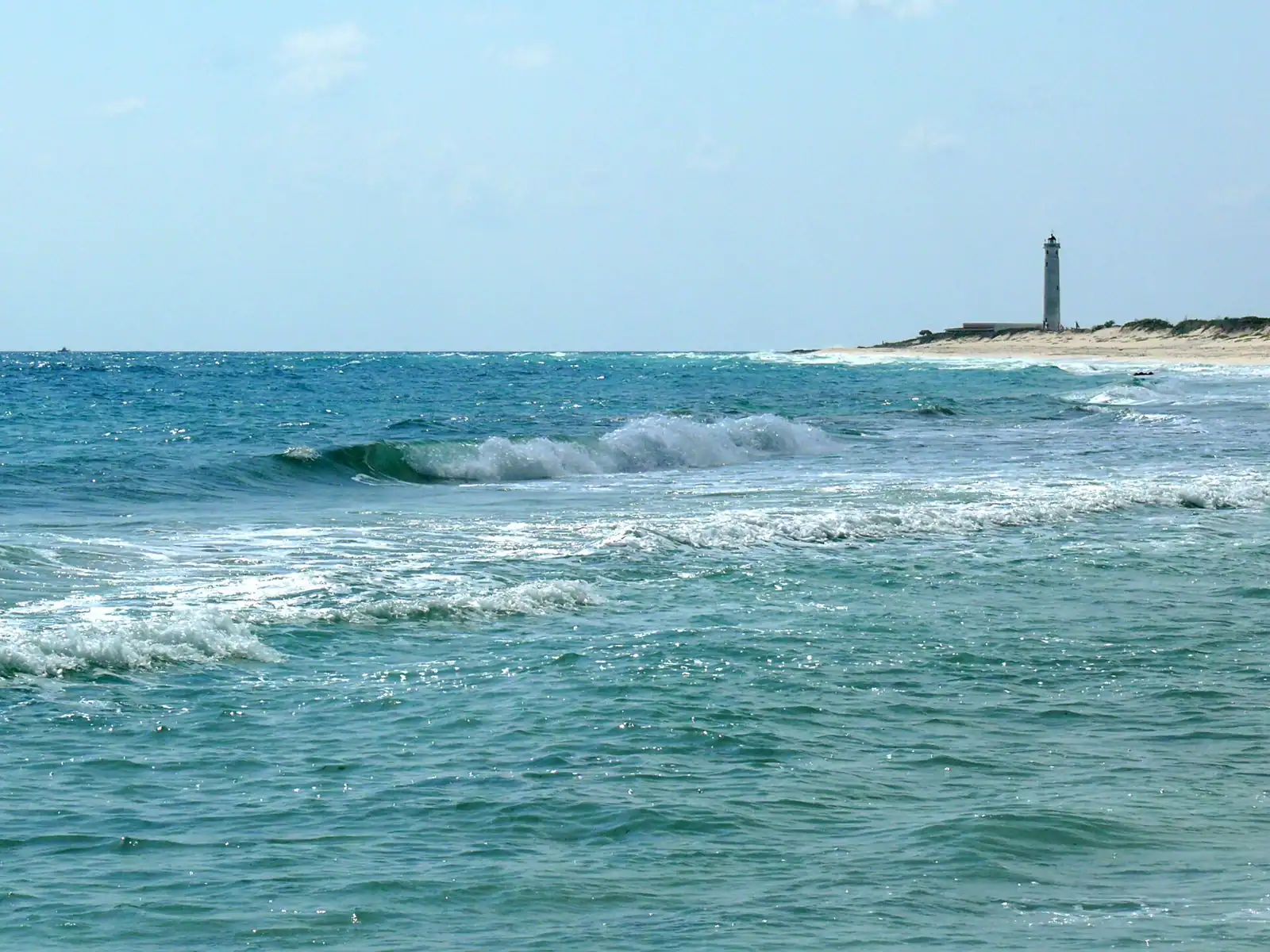
Faro Celarain stands at Punta Celarain, the island's southernmost point, where the leeward coast finally runs out and the water goes from calm to committed. The tower is white, slim and roughly eighty-five feet tall, and it is the reason a large share of Punta Sur's visitors pay the gate fee at all.
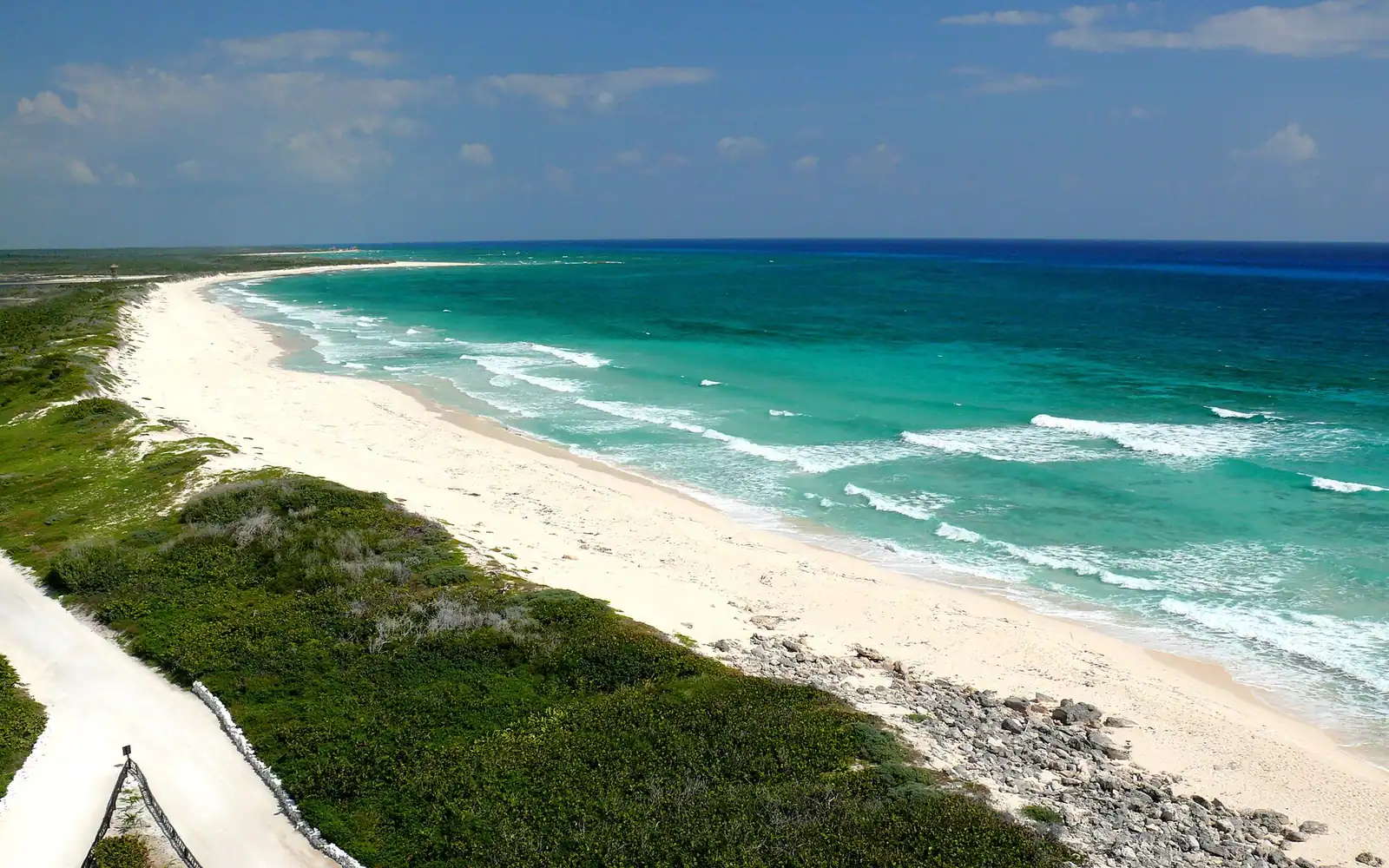
The climb is commonly counted at 133 steps up a narrow internal spiral, and it is a proper climb rather than a photo opportunity with stairs attached. There is no lift, the shaft is tight enough that two people cannot comfortably pass, and it gets hot. What you get at the top is the only genuine panorama on Cozumel. To the west and south, the reef line and the pale shallow shelf where Colombia and El Cielo sit. To the east, open Caribbean with nothing between you and Cuba. Inland, the dark green sprawl of the Laguna Colombia mangrove system, where the crocodiles are, and beyond it the flat forest that covers most of the island's interior. On a clear day you can see how small Cozumel actually is, and how much of it is nothing.
At the base, the old keeper's house now holds a small navigation museum: nineteenth-century instruments, lamp and lens equipment, charts, material on the island's wrecks and on the pirates who used these waters, and some context on the Maya seafarers who crossed the channel here long before any of it. It takes fifteen minutes and it is included in the park ticket.
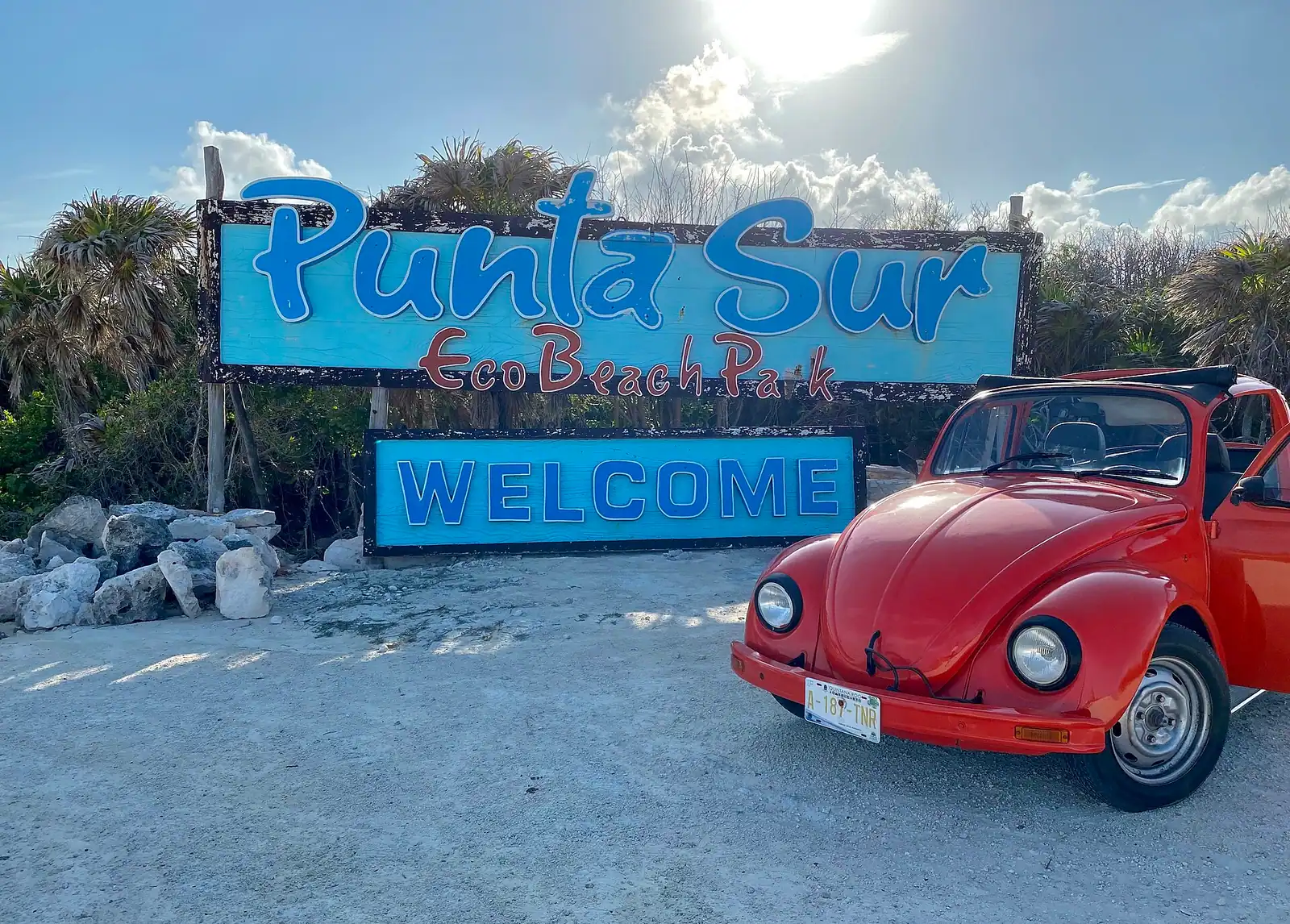
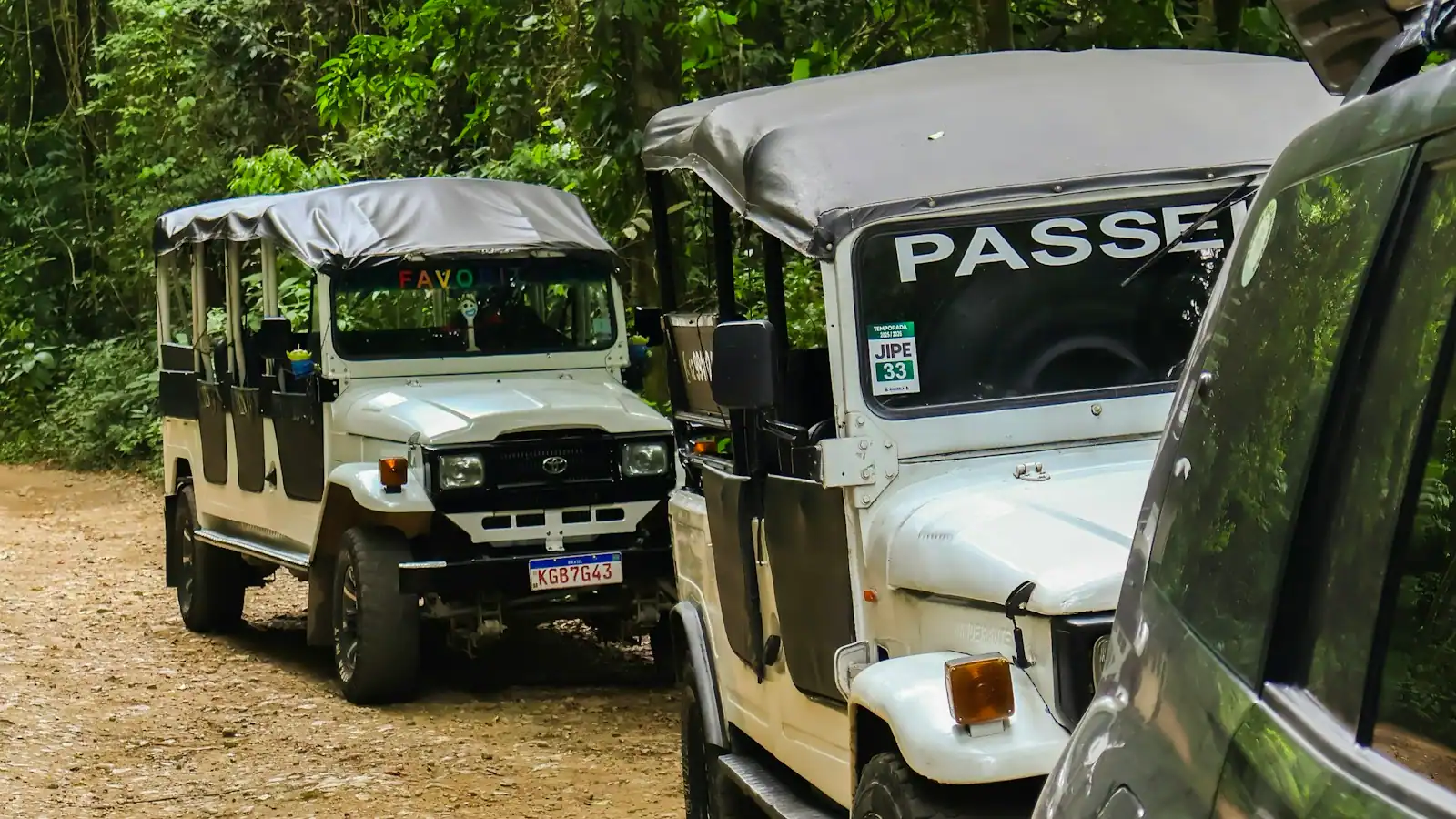
The thing to understand before you set off is that you cannot visit the lighthouse on its own. It sits roughly five miles inside Punta Sur Eco Beach Park, past a gate where you pay per person, at the end of a narrow internal road you must drive. There is no separate lighthouse admission, no path in, and no way to skip the park. Budget the park fee and the transport, and treat the lighthouse as the anchor of a half-day rather than a stop.
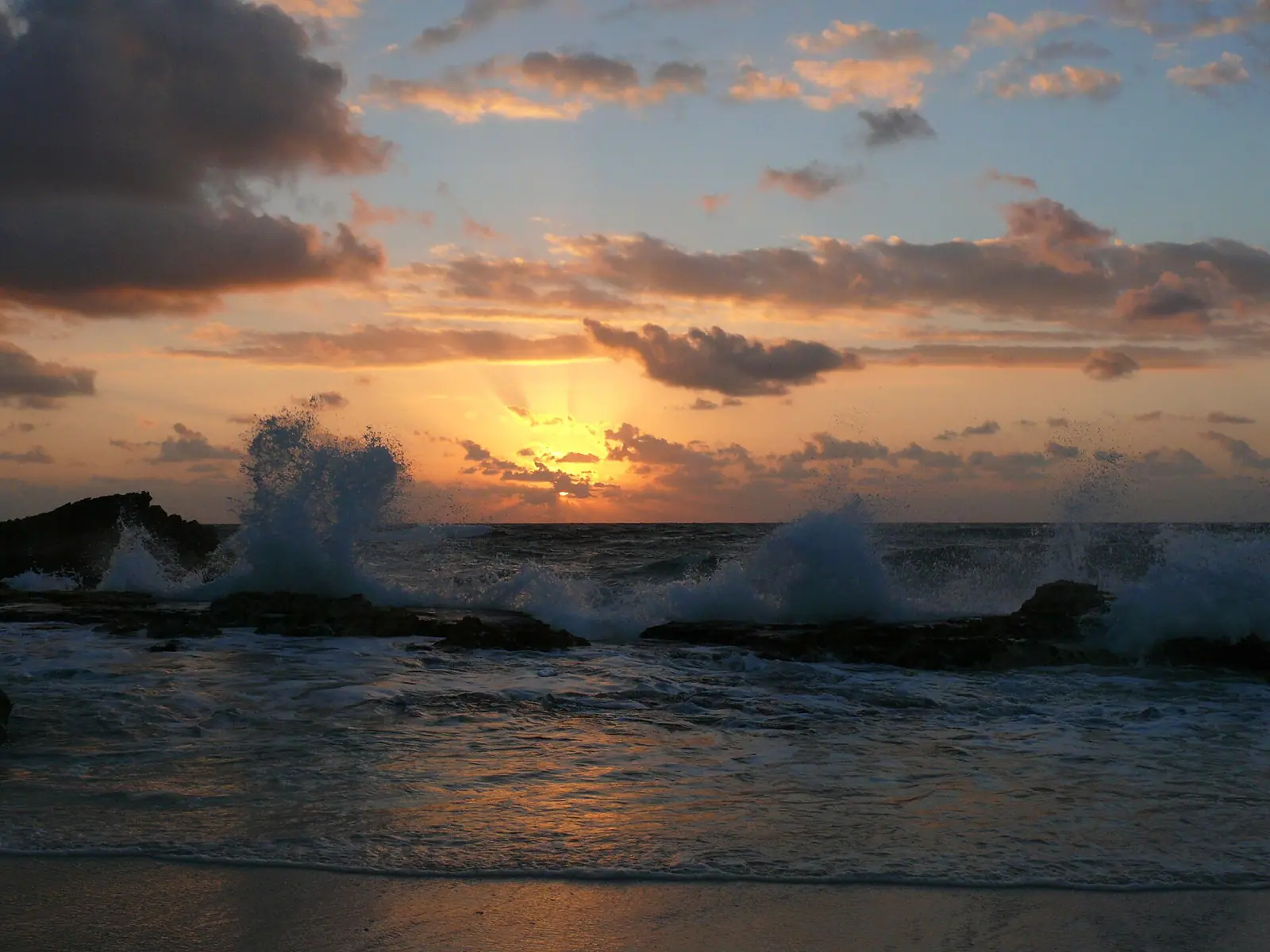
Go early. The tower is hottest and busiest in the middle of the day, and the light for photographs is flat.