Skip to content
Search
Menu

These go through Viator and earn us a commission. You pay the same as booking direct, and the commission did not choose the list.

Still brown lagoon water fringed with dense red mangrove under a bright sky
Ken Thomas

Wildlife

Laguna Colombia

Last updated

A mangrove lagoon behind the dunes at Cozumel's southern tip, with wild American crocodiles in it and a small boat that goes looking.

Photo: Ken ThomasPublic domain

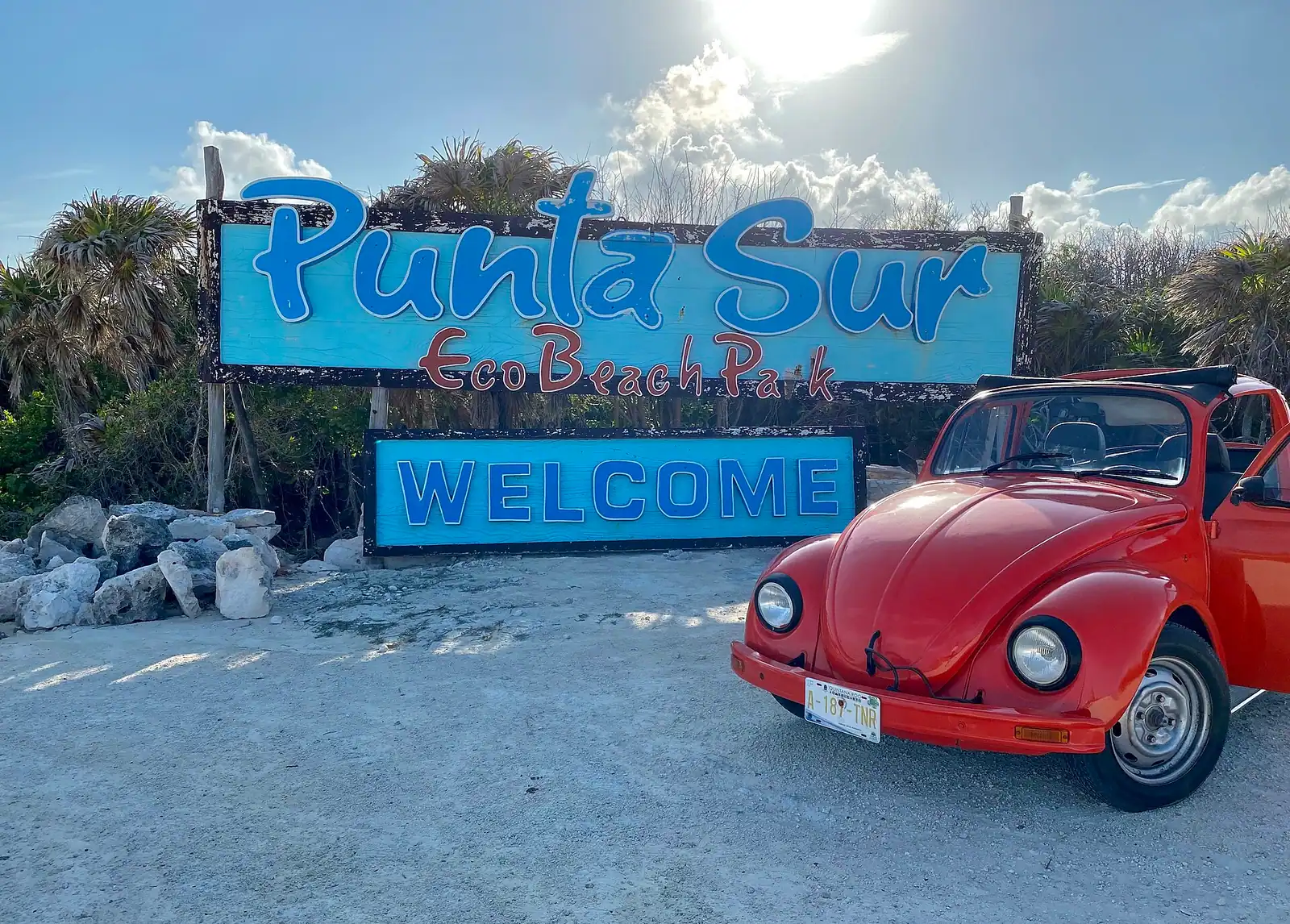
Behind the dune ridge at the southern end of Cozumel, out of sight of the sea, lies a system of shallow brackish lagoons fringed with red mangrove. Laguna Colombia is the largest of them. It sits inside Punta Sur Eco Beach Park, which means there is exactly one way to reach it: through the park gate, paying the park's admission, and then along five miles or so of internal road.

The lagoon is the reason Punta Sur is a protected area rather than simply a beach with a lighthouse on it. It is a nursery. Mangrove roots are where juvenile snapper, grunts and barracuda spend their first year before moving out to the reef, which makes this water part of the same system as Palancar and Santa Rosa even though it looks like its opposite. Herons and egrets work the shallows. Frigatebirds hang over the ridge on the sea breeze. In winter the mangrove fills with migratory songbirds that came down the Yucatán flyway.

And there are crocodiles. American crocodiles live in Cozumel's lagoon systems and Laguna Colombia is one of their strongholds. They are a protected species here, they are genuinely wild rather than penned, and they are the reason that nobody — resident, visitor or guide — swims in a Cozumel lagoon. Sightings on the boat trip are likely rather than guaranteed, and are better on calm days and in the cooler months, when animals come out onto the banks to warm up.

The way to see it is a short trip on a small flat-bottomed launch with a park guide, usually booked at the lagoon itself rather than at the gate, and normally charged on top of park admission. There is also a wooden observation platform that gives you the lagoon from above and costs nothing extra, which is the right fallback if the boat is not running.

One thing to set expectations on. This is not the Everglades and it is not a wildlife spectacle. It is twenty to forty quiet minutes in a small boat on still brown water, with a guide pointing at things you would not otherwise have noticed, in a part of a park most visitors drive straight past on their way to the beach.
Getting there and parking

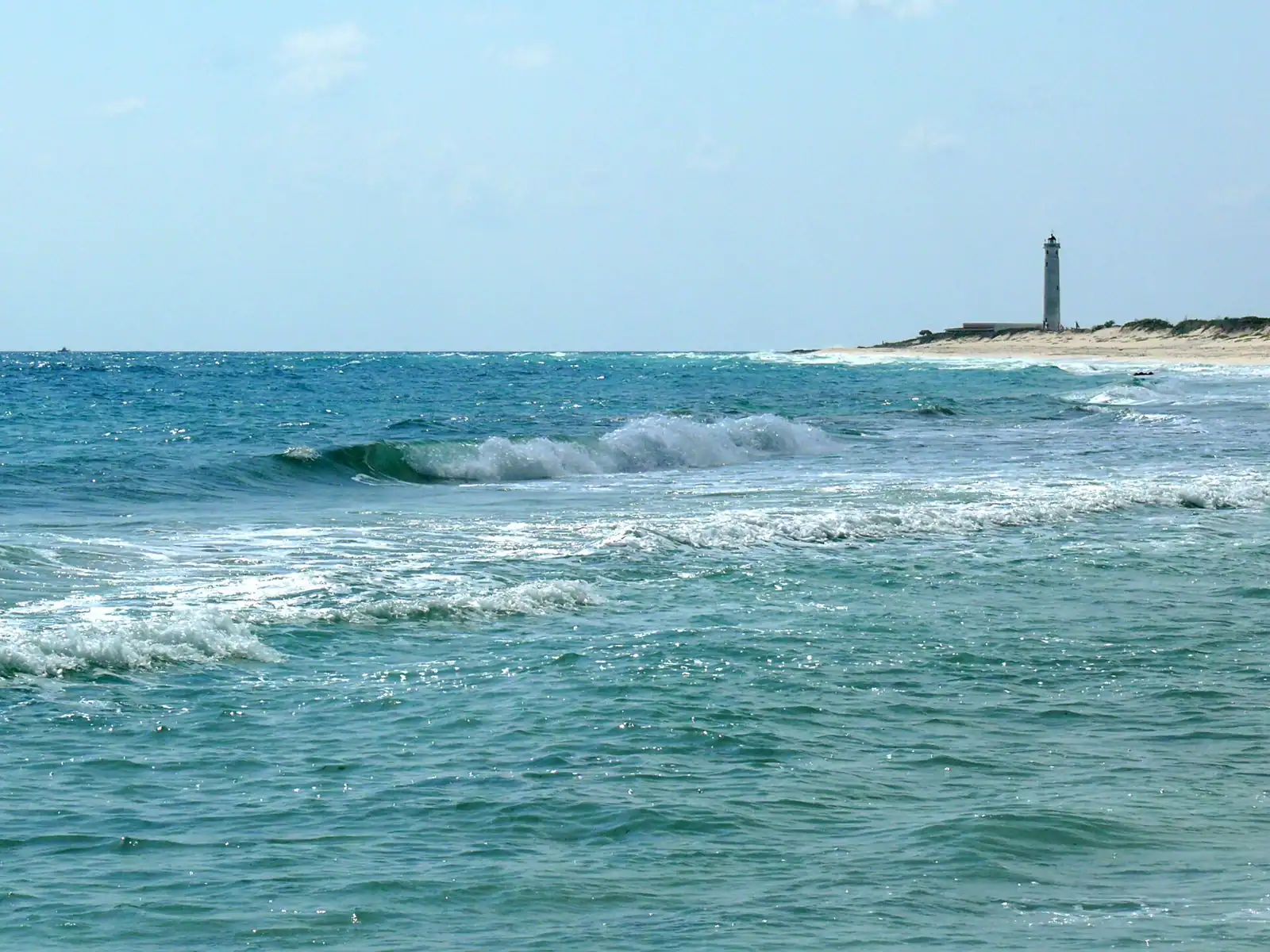
There is no independent access. Laguna Colombia sits inside Punta Sur Eco Beach Park, and the only way in is through the park gate on the southern coast road, paying park admission and then driving the internal road to the lagoon jetty — around five miles of it. You cannot park at the entrance and walk in.

From San Miguel or the cruise piers, follow the Carretera Costera Sur south past Chankanaab and the beach clubs. Allow about thirty minutes from the southern piers and forty from town, longer when several ships are in and the coast road is thick with excursion traffic.

By taxi, agree the fixed zone fare before you set off and arrange the return, because there is no rank at the park gate and cabs do not wait speculatively at a park that closes in the afternoon. Most visitors come by rented jeep or on an organised island tour.

Coming round the island the other way, the gate is ten to fifteen minutes south of El Mirador on the windward coast road.

The lagoon trip, and what it costs on top

The crocodile and mangrove trip runs on a small flat-bottomed boat with a park guide, from a jetty on the lagoon reached off the park's internal road. It typically lasts somewhere between twenty and forty minutes.

Two things to plan around. First, it is an extra charge on top of Punta Sur admission, not an inclusion, and it is normally paid at the lagoon rather than at the gate — so carry cash in pesos even if you paid the park entrance by card. Second, it does not always run. Departures depend on weather, on water conditions and on a guide being free, and in low season it may operate only at certain hours or only when enough people want it.

Ask at the gate when you pay, so that you are not driving five miles into the park on an assumption. If the boat is off, the observation platform above the lagoon is free with your park ticket and is a reasonable substitute for the view, if not for the crocodiles.

Prices for both the park and the boat have moved more than once in recent years and are set in pesos. Nothing is quoted here for that reason. Budget for the gate, the boat and a tip for the guide, and treat any figure you read online as indicative at best.

What actually lives here

American crocodiles. A protected species in Mexico, resident in Cozumel's lagoons and not confined or fed for the benefit of visitors. They are shy of boats, so a sighting is a matter of a shape on a bank or a set of eyes at the waterline rather than a close encounter. Cooler months and calm mornings are better. Do not lean out, do not trail a hand and do not try to improve the photograph.

Wading and water birds. Herons and egrets in the shallows year-round, cormorants, and frigatebirds overhead on the thermals coming off the dune ridge. Serious birders come for the winter migrants that arrive from October onwards.

Juvenile reef fish. Less visible and more important. The mangrove roots are a nursery for the species that end up on the reef a mile away on the other side of the island, which is the ecological argument for the whole park.

Iguanas and land crabs, both abundant, both on the road in. Drive slowly on the internal park road for exactly that reason.

What you will not see is anything performing. There are no feeding shows here and no handling. That is a feature.

The rule about Cozumel's lagoons

Nobody swims in a lagoon on Cozumel. Not here, not in the northern lagoon system, not anywhere the mangrove meets brackish water.

That is not squeamishness. American crocodiles are large, wild and present, the water is opaque, and a lagoon bank is exactly the habitat in which they are most comfortable. The species is protected, which also means that an animal that becomes habituated to people is a problem the park has to solve, usually badly for the crocodile.

Practical rules, all of which the park guides enforce:

  • Stay in the boat and keep hands and feet inside it.
  • Do not feed anything, ever, for any reason.
  • Keep small children between adults on the jetty and the platform.
  • Do not walk off the marked paths and boardwalks into the mangrove.
  • Keep drone use out of it; the park restricts it and the birds do not need it.

Away from the water, the mosquitoes are the thing that actually spoils people's visit. The lagoon and mangrove are worst at dawn and dusk and after rain. Repellent is not optional here in a way that it is not on the beach a mile away.

Doing it as part of Punta Sur

Laguna Colombia is one stop inside a park with several, and the sensible way to think about it is as a component of a Punta Sur half-day rather than a trip in its own right.

The park is driven rather than walked: you pay at the gate, then cover roughly five miles of internal road to reach the lighthouse, the beach and the lagoon. There is no way to leave a car at the entrance and walk in, which surprises people every day.

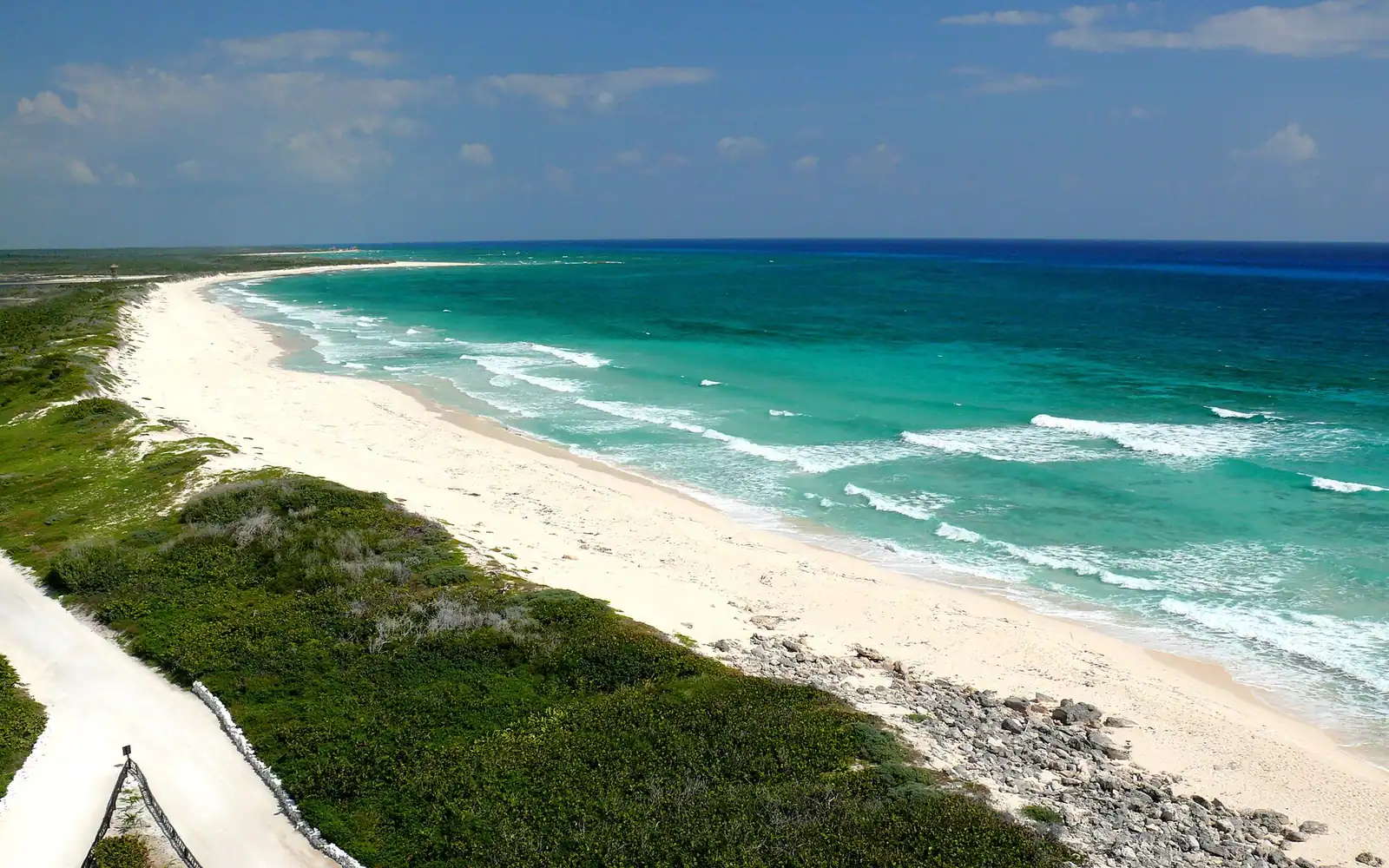
A workable order, going in mid-morning: the lagoon boat first, while the water is still and the wind has not got up; then the Faro Celarain lighthouse and the small museum in its keeper's building; then the beach and the snorkelling at the reef off the southern shore; then out. Allow three to four hours for the lot, and more if you swim.

Get there early. The park closes in the afternoon rather than at dusk, last entry is well before that, and on a heavy cruise day the gate queue is real. Nothing here is lit and nothing here runs into the evening.

Bring water, sun protection, insect repellent and pesos. There is a modest amount of food inside the park and nothing at all on the road outside it.

Tours that visit Laguna Colombia

Operators run these trips past Laguna Colombia, or stop there as part of a longer route. We list what the booking data supports — not everything that mentions the name.

These go through Viator and earn us a commission. You pay the same as booking direct, and the commission did not choose the list.

Shared departurespriced per seat, best value for one or two

Private and small-group optionsoften cheaper per head for a family or a group of six

  • El Ausente at El Cielo
    Free cancellationPrivate tour

    Low Last Minute Supplier Cancellation Rate

    Exclusive Private Boat to El Cielo (opens in a new tab)

    70 reviews

    Indulge in the exclusivity of a Private Boat tour to Cozumel’s most breathtaking destinations: El Cielo and the world-famous coral reefs…

    4 hours

    Prices checked

    from $419.99
  • Mr Sanchos Romantic Day Beach Pass for Two
    Free cancellationSmall group

    Short term availability

    Mr Sanchos Romantic Day Beach Pass for Two (opens in a new tab)

    455 reviews

    Already married? We have just what you need. Just friends? You can join along too. Come and enjoy. This pass includes the All Inclusive…

    1 hour

    Prices checked

    from $295

Near Laguna Colombia

Straight-line distances, so allow more on the road — the island is long and has one main parkway.

  • A white lighthouse standing above low coastal scrub and dunes at the tip of a Caribbean island

    Park

    Punta Sur Eco Beach Park

    A thousand hectares on Cozumel's southern tip that you drive through rather than walk, ending at a lighthouse and a crocodile lagoon.

    2–5 hoursPaid park, charged per person at the gate, with a reduced rate for children. Your vehicle then drives the internal road at no extra charge.0.8 mi away

  • A slim white lighthouse tower rising above low coastal scrub at the southern tip of a Caribbean island

    Landmark

    Faro Celarain Lighthouse

    A working lighthouse on Cozumel's southern point, about 133 narrow steps up, with reef on one side and a crocodile lagoon on the other.

    1–1.5 hoursNo separate charge for the lighthouse or the museum, but you must pay Punta Sur park admission per person at the gate to reach it.0.8 mi away

  • Tall coral formations rising from a white sand seabed in very clear blue water

    Water feature

    Columbia Reef

    Cozumel's southernmost big reef, and the one place where the same name sells a 90-foot pinnacle dive and a waist-deep snorkel stop.

    4–7 hoursNot free in practice: reachable only by boat, and every person entering the national park by boat pays a per-person daily park fee on top of the trip price.3.2 mi away

  • A wave-cut natural arch in dark pitted limestone with surf driving through the gap
    Free

    Viewpoint

    El Mirador

    A wave-cut arch of fossil reef beside the coast road, free to climb, sharp underfoot, and about five minutes long.

    10–30 minutesFree, with no gate, no ticket and no parking charge — which on Cozumel is unusual enough to be worth saying.4.2 mi away

Laguna Colombia: common questions

Are there crocodiles in Laguna Colombia?

Yes. American crocodiles are resident in Cozumel's lagoon systems and Laguna Colombia is one of their strongholds. They are wild and protected rather than penned or fed, so a sighting is a shape on a bank or a pair of eyes at the waterline, not a close encounter, and it is likely rather than guaranteed. Calm days and the cooler months from November to March give the best odds, because animals haul out onto the banks to warm up.

Can you visit Laguna Colombia without paying for Punta Sur?

No. The lagoon lies inside Punta Sur Eco Beach Park and the park gate is the only way in. You pay admission at the gate and then drive roughly five miles of internal road to reach the lagoon jetty — there is no option to leave a car at the entrance and walk in. The boat trip on the lagoon is normally charged separately again, and is usually paid in cash at the lagoon rather than at the gate.

Can you swim in Laguna Colombia?

No, and nobody on Cozumel does. The lagoons hold wild American crocodiles, the water is opaque, and a mangrove bank is precisely the habitat where those animals are most at home. Stay in the boat, keep hands and feet inside it, and keep children between adults on the jetty and the observation platform. The park's swimming and snorkelling is on the seaward side of the dune ridge, where the reef is.

How long does the lagoon boat trip take?

Typically twenty to forty minutes on a small flat-bottomed launch with a park guide. It is a quiet trip rather than a spectacle: still water, mangrove, birds, and a guide pointing at things you would have driven past. Budget three to four hours for Punta Sur as a whole if you also want the Faro Celarain lighthouse, the museum in the keeper's building and the reef snorkelling off the southern beach.

Do you need insect repellent at Laguna Colombia?

Yes, and more than you would think from the beach a mile away. Mangrove lagoon is mosquito habitat, and it is worst at dawn, at dusk and for a day or two after rain. Repellent is the single most useful thing in your bag here. Bring water and sun protection too: the park has a modest amount of food inside it and there is nothing at all on the coast road outside the gate.