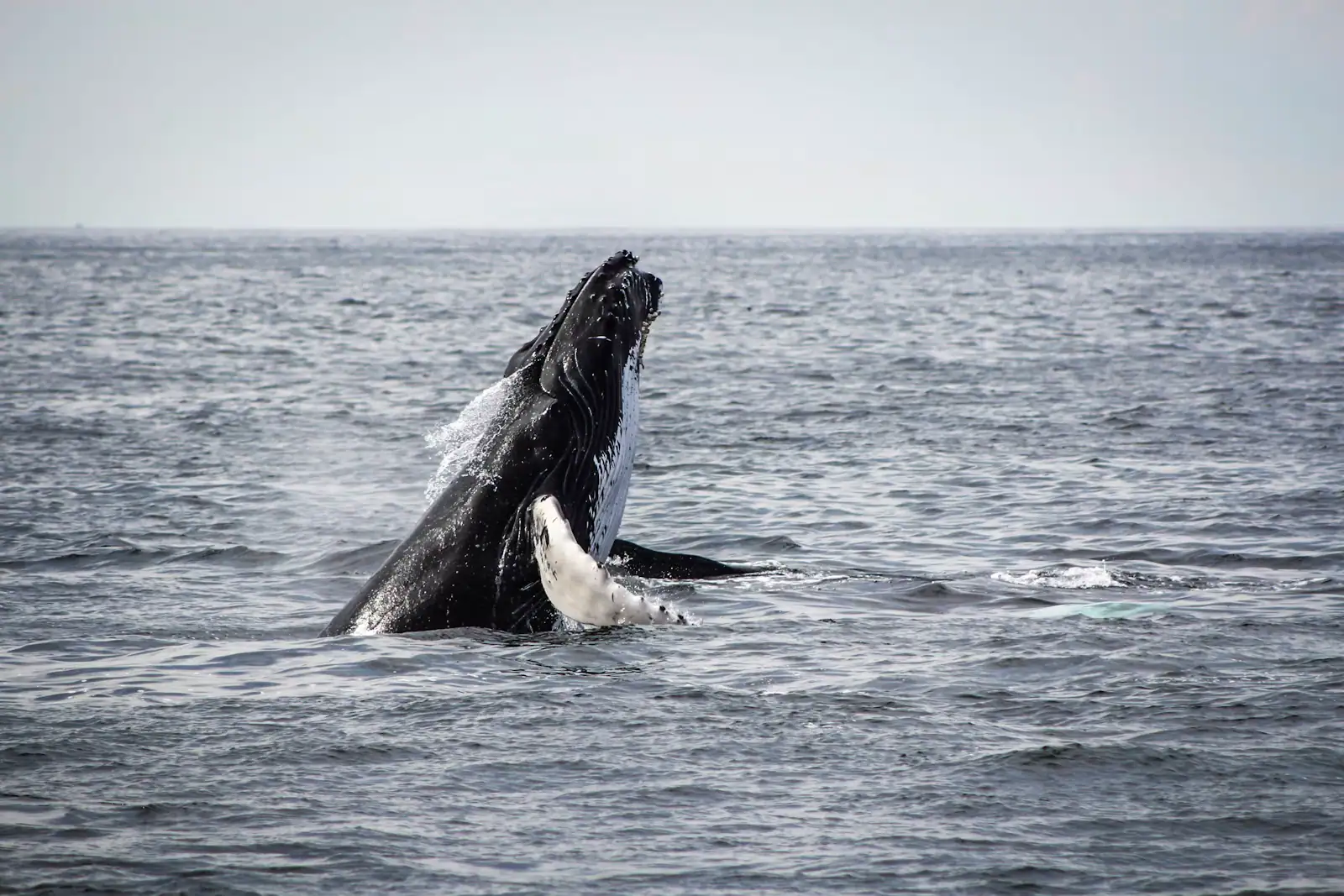
Every summer, whale sharks — the largest fish in the ocean, filter feeders with no interest in you whatsoever — aggregate in numbers off the northern tip of the Yucatán Peninsula to feed. The season runs roughly mid-May to mid-September, with the densest aggregations typically in July and August.
The part worth being clear about: this does not happen off Cozumel. The boats leave from Cancún, Puerto Juárez, Isla Mujeres and Holbox, and run out to open water north and east of the peninsula.
What it is actually like
Licensed operators work under a regulated permit system. In the water you go two at a time with a guide, in a life vest, with a fixed rotation, and you snorkel rather than dive — tanks are not permitted. There is no touching and no chasing, sunscreen must be biodegradable or omitted, and boats work to minimum distances.
It is a swim with an animal the size of a bus, three feet away, in blue water with no bottom in sight. It is also a long boat ride in open sea, and the swell out there is not the swell in the Cozumel Channel. People get sick. Take something before you board.
From Cozumel, honestly
The chain is: ferry to Playa del Carmen, road transfer north to the departure port, the boat, then all of it in reverse. That is a fourteen-hour day at best, most of it in transit, and it hangs on ferry sailings at both ends.
Our view: if whale sharks are a priority, do them from the mainland as part of a night or two on that side, not as a day trip from the island. If you are on Cozumel for a week and the weather is right and you want it anyway, book a single operator who handles the whole chain rather than assembling it yourself.
Cruise passengers should not attempt it. A call is six to eight hours and this trip is not.
What Cozumel has instead
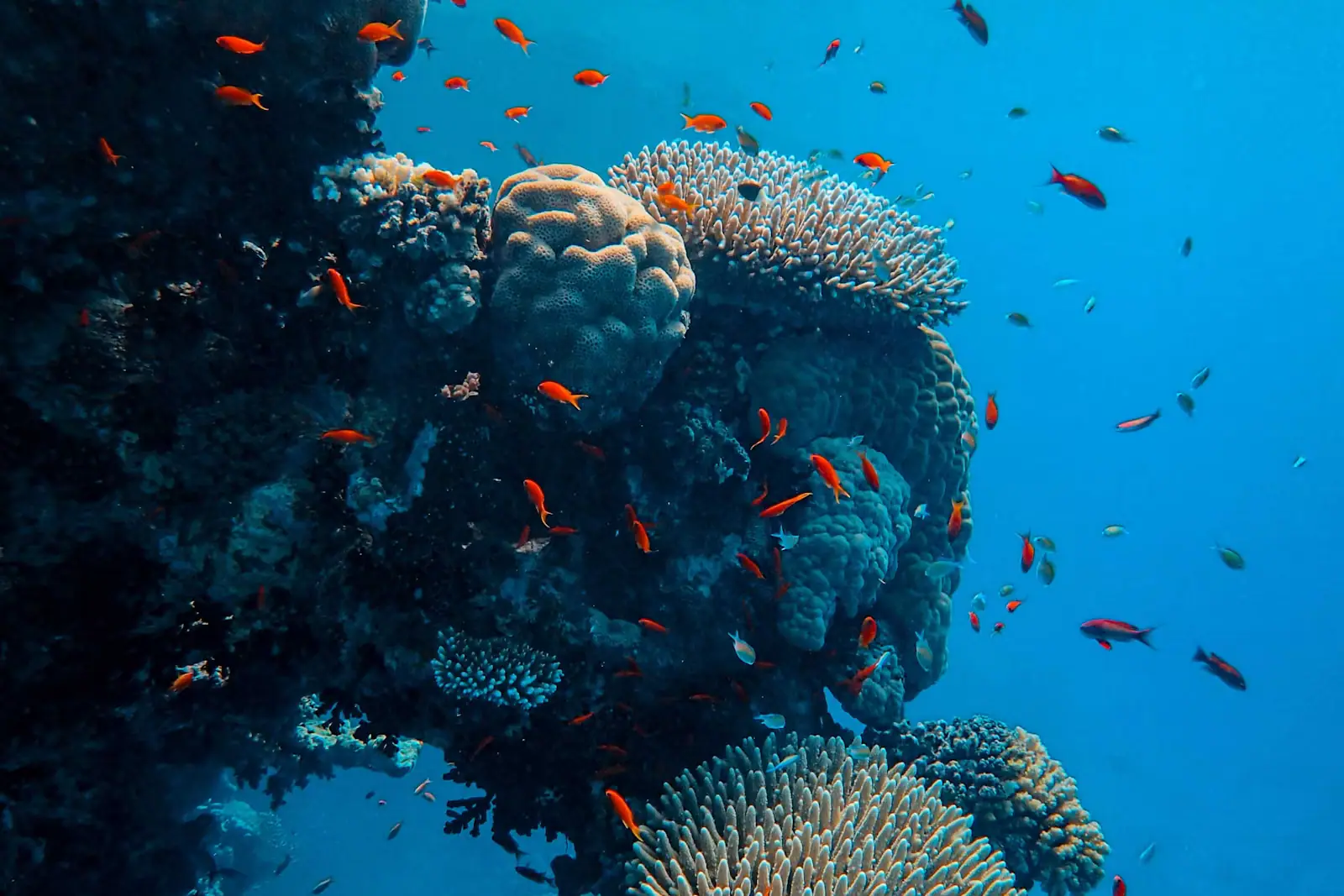
Not whale sharks. Eagle rays in the cold months on the deeper sites, turtles year-round, nurse sharks under the coral plates, and the splendid toadfish, which lives here and nowhere else on earth. Different ambition, no ferry.